Real Estate Digital Business Cards That Actually Convert
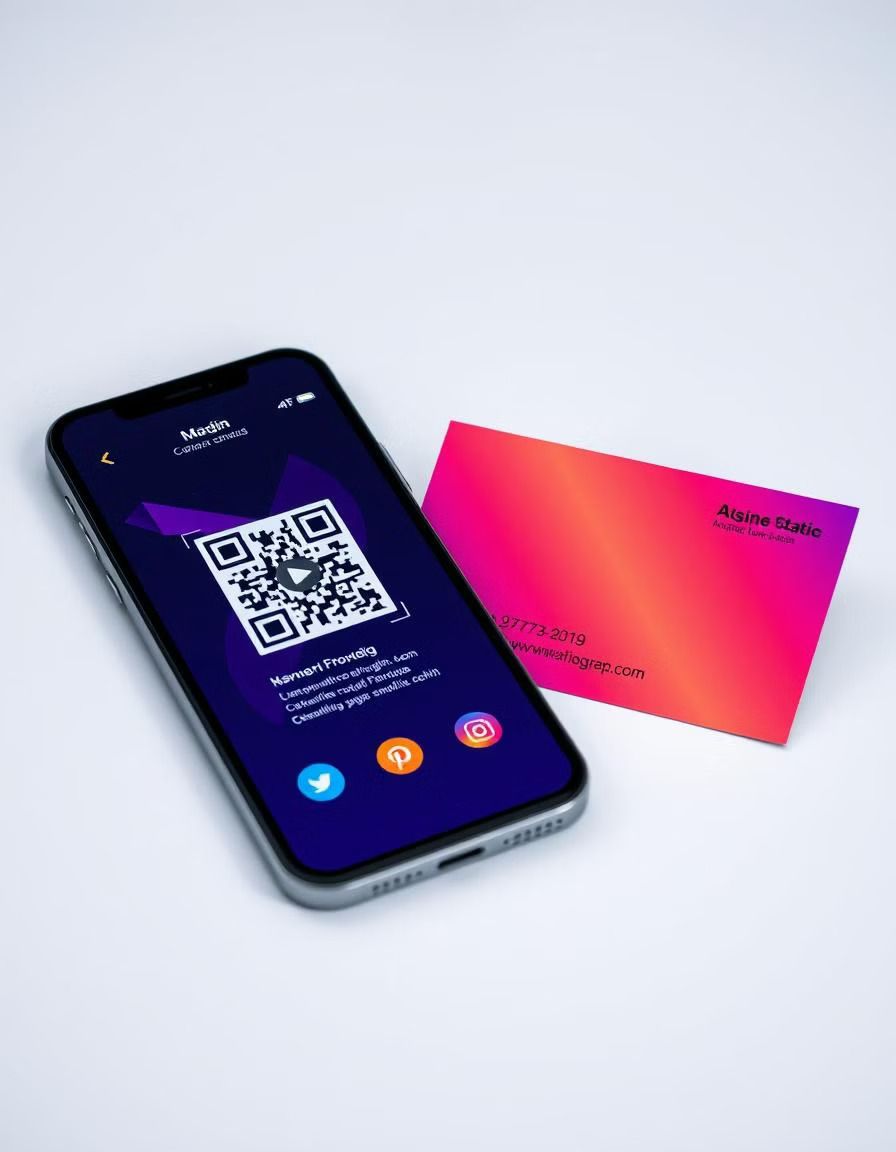
The digital business card is the cheap part of agent marketing. It costs less than dinner for two and takes an afternoon to set up. The hard part, the part that decides whether the scan turns into a viewing booked or a buyer who never replies, is everything sitting behind that card. After a decade building real estate websites and 3D property viewers through my studio DignuzDesign, I have watched agents pour money into branded NFC cards, slick mobile apps, and CRM integrations, only to deposit cold leads onto a generic landing page that gives the buyer no reason to do anything.
This article is about the cards themselves, yes. But more than that, it is about the conversion chain a digital card sits on top of. Get the chain right and the card earns its place. Get the chain wrong and the card is just a faster way to lose the lead.
What a Digital Business Card Actually Is
Set aside the marketing copy from the vendors for a moment. A digital business card is a portable contact record with a sharing layer on top. The underlying standard is vCard, formalised in IETF RFC 6350, which lets any phone read the name, phone, email, address, and photo fields without the recipient installing anything. That portability matters more than most vendors admit. If the platform you choose locks the card data inside its own app, the recipient cannot save you straight to their contacts and you have created friction at the worst possible moment.
The good platforms generate a standards-compliant vCard plus a hosted profile page. The cheap ones generate only a hosted page that the recipient has to manually transcribe back into their phone. That difference does not show up in feature comparisons. It shows up in whether your contact details survive next Tuesday.
A proper card carries contact fields that drop directly into a phone's address book without copy-paste, a profile page with active links to listings, property viewers, your reviews, and a booking calendar, and an analytics layer so you can see who scanned and what they looked at next. That third item is the one most agents misuse, which I will get to.
Why Paper Cards Did Not Die (And Why That Matters)
The article this one replaces claimed paper cards are a relic. That is wrong, and it is the kind of wrong that gets repeated until people make bad decisions. Paper cards still work in three situations: at open houses where the visitor is too embarrassed to scan something on their phone, in older luxury markets where heavy card stock is part of the trust signal, and in handoff moments where the client wants to physically tuck something into a wallet for a spouse. I still hand out paper at every developer meeting in Vienna, even though my NFC card sits in the same pocket.
The right framing is not paper versus digital. It is paper as a fallback for the moment of meeting, and digital as the channel through which everything after the meeting flows.
According to the NAR Profile of Home Buyers and Sellers, 70 percent of home buyers used a mobile or tablet device during their search, and 88 percent purchased through an agent or broker. The mobile-first behaviour is the reality of the modern search; the agent's role within it is still load-bearing. A digital card is the most honest answer to both numbers at once: it meets the buyer on the device they are already using, and it routes them into the relationship that closes the deal. This is the same logic that drives every other piece of high-ROI estate agent digital marketing - meet the buyer in the medium they already inhabit.

The Conversion Chain Behind the Card
This is where I see the most money wasted. The card is one link in a chain. The chain looks like this: scan happens, contact lands in phone, recipient taps through to your profile, profile presents two or three high-intent actions, action triggers booking or message, message lands in a CRM that you actually read. Break any link and the others stop mattering.
The most common break is at the profile page. Vendors sell a generic profile with the same five social icons everyone else has, and agents accept the default. A buyer landing on that page sees nothing that pulls them toward booking a viewing. The fix is to treat the profile page as a sales asset, not a contact directory. Drop in two or three current listings rendered as live media, not screenshots. If you have an interactive 3D viewer for your hero property, embed it directly; AmplyViewer is the product I built precisely so agents could put a live property walkthrough where a static photo used to sit. If you have a recorded walkthrough video, lead with it. The card brought the buyer; the profile decides whether they stay.
The second most common break is the booking action. Half the digital cards I audit have a "Call" button as the primary CTA, and that button puts a hard ceiling on conversion because most early-stage buyers do not want to call a stranger. A "Book a 15-minute consultation" link wired into a real calendar absorbs the buyer who is curious but not ready to commit by voice. The phone call still has its place, but it belongs lower on the page.
The third break is the message routing. Agents who hand-collect leads from three different platforms eventually drop one. A digital card should pipe everything into the same lane as your other inbound, which is part of why marketing automation matters more than most agents realise. If your card vendor cannot push leads automatically into your CRM, switch vendors.
What the Card Replaces, and What It Does Not
A digital card replaces the paper card for the moment of contact exchange. It does not replace a listing page, a website, a CRM, or a property brochure. Treating it as if it does is the trap.
I see this most often with newer agents who buy a slick card platform, dump every social link onto the profile, and assume they now have a "website." The card profile is too short, too templated, and too constrained to do the work of a real site. It cannot rank in search. It cannot host long-form content. It cannot present a portfolio of past sales in a way that builds genuine credibility. If your only web presence is a Linktree-style card profile, the card has become a tax on your authority rather than an asset, and buyers researching you after the meeting will quietly move on.
The card lives inside a system. The system also needs a real website that converts, strong listing pages, and the marketing infrastructure - your social channels, your photography, your follow-up sequences - that the card hands off to. The card is the front door. Build a house behind it.
Tracking: Useful, Misleading, and Genuinely Helpful
Every digital card platform sells analytics as a major selling point. The analytics are useful, but the way most agents read them is not.
Card scan counts and profile views are top-of-funnel vanity numbers. Someone scanning your card at an open house and glancing at the page tells you almost nothing about whether they will transact. What is useful is the destination data: which listing they tapped through to, how long they stayed on it, whether they came back later, and whether they triggered a booking or message. That is signal. The card platform alone cannot tell you most of this; you need your website analytics, your CRM, and your card analytics joined up before the numbers mean anything. I run a separate product, AmplyDigest, that pulls scattered signal sources into a single morning summary, and the principle is the same here: data that lives in three places is data that lives nowhere.
There is also a privacy line to be careful about. In the EU and increasingly in other jurisdictions, you cannot quietly track people scanning your card without surfacing it. The cleanest pattern is to keep the card itself anonymous - a scan does not identify anyone - and only capture identifying data after the buyer voluntarily enters it through a booking, a saved-search subscription, or a contact form. If your card vendor is harvesting identifying data before consent, that is a legal risk you do not need.
The honest version of analytics goes like this: use them to spot which of your listings is pulling attention so you can lean into that property in conversation, and use them to confirm that the chain from scan to booking actually works. Beyond that, do not over-read the numbers.
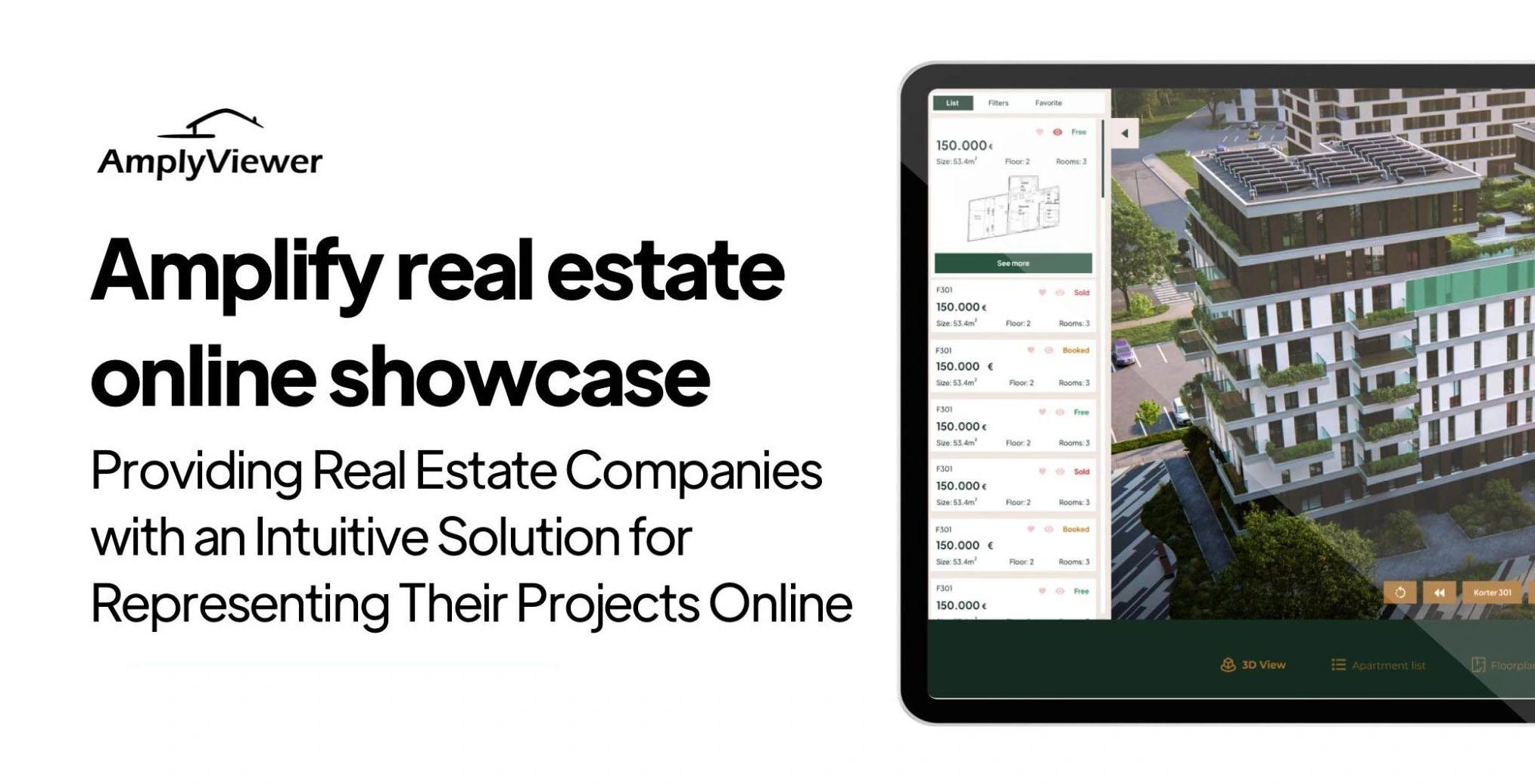
Visit our solution: AmplyViewer
How the Card Earns Its Keep in a Referral Business
Real estate is a referral business. NAR's member trends data show the typical agent earns 27 percent of business from repeat clients and 24 percent from referrals; for agents with sixteen-plus years of experience, repeat clients alone make up more than half. That is the structural reason a digital card matters more than it looks, and it ties directly into what genuinely makes an agent stand out over the long arc of a career.
A digital card is the easiest possible way for a happy past client to forward your details to a friend. Paper cards live in drawers; a digital card lives in the phone the client is already using when the conversation happens. The friction between "I know a great agent" and "here, save them to your contacts" collapses from minutes to seconds. The referral-heavy reality of agent income makes that collapse genuinely valuable.
This is the strongest argument for digital cards and the one the vendor blogs underplay. They sell the card as a networking tool for cold outreach. The real value is the warm forward.
Setup Mistakes I See on Almost Every Agent's Card
The same five mistakes show up in nearly every card audit I do. I will list them once, because this is the one place a list earns its keep:
- Choosing a vendor without vCard download support, forcing the recipient to manually retype the contact details rather than saving them straight to the phone. Test this before you commit, not after the first event.
- Using a generic stock photo or a poorly lit headshot as the card image, which silently signals that the agent has not invested in their own brand. Consistent photography on the card and on the website is one of the cheapest credibility wins available.
- Defaulting to a "Call now" primary CTA when most early-stage buyers will not call a stranger; a calendar booking link converts better in the discovery phase and lets the buyer self-select into the conversation.
- Linking to a personal Instagram or Facebook profile rather than a professional one, which leaks unrelated personal content into a moment that should feel businesslike. The same social media rules for realtors that govern your everyday posting apply to what you link from the card.
- Leaving listings on the profile that have already sold; expired content on a card is the digital equivalent of handing someone a card with a number that no longer works.
Each of these is a five-minute fix. None of them get fixed unless someone points them out.
Where 3D and Interactive Media Change the Card
This is where my crossover work between web development and 3D visualisation actually changes the answer. A digital card profile that links to a flat photo gallery is a postcard. A profile that opens directly into a 3D walkthrough of the property the buyer is most likely interested in is a meaningful step closer to the buying decision.
I also run Faraday3D, a 3D architectural visualisation studio that produces renders, virtual tours, and property visualisations for real estate developers, and we have seen developer-led campaigns where the card profile links straight to an embedded 3D scene of the hero unit. The scan-to-walkthrough flow takes under five seconds and turns the card into the first step of the property tour, not the first step of a contact exchange. For luxury and pre-construction in particular, this is the moment digital cards stop being a paper-card replacement and start being a sales tool in their own right, sitting alongside the rest of the marketing assets built for high-end buyers.
The same logic applies to architects and property developers handing out cards at trade shows. A card that opens into the project's interactive showcase, rather than a static PDF brochure, is the difference between being one of fifty cards in a pocket and being the only project the visitor actually remembers.
Choosing a Platform Without Getting Locked In
Most card platforms charge between five and ten dollars a month per agent, and the price difference between the cheap and expensive tiers is rarely the deciding factor. The deciding factors are vCard export, custom domain support, and whether the analytics and lead routing can be pulled out cleanly if you switch platforms later.
I will not recommend a single platform because the market churns and the right answer in a year may not be the right answer today. What I will recommend is this: before you commit to any platform, generate a test card, scan it with three different phones (an iPhone, an Android, and ideally a non-Apple, non-Google device like a Huawei or a recent Pixel running a non-default ROM), and confirm that the contact saves cleanly on all three. Half of the platforms I have tested fail this on Huawei or older Androids, and a card that fails on a quarter of phones is not a card you want to standardise on.
Also make sure the card profile is on your own domain or a subdomain you control. Vendor-hosted URLs like agentname.cardvendor.com look unprofessional and disappear the day the vendor goes under. A profile sitting at cards.yourname.com survives any platform change and stays consistent with the rest of your digital identity.
FAQ
Are digital business cards safe to share with strangers at events?
The card data itself, that is name, business phone, business email, work address, is the same information you would print on paper, so the privacy surface is no larger than a paper card. The new risk surface is analytics: anyone scanning the card may be logged in some platforms, which is fine for marketing intent but should be disclosed if you operate in a region with strict privacy laws like the EU. If you are unsure, ask your card vendor for their GDPR documentation in writing; if they cannot produce it, pick a different vendor.
Will buyers actually scan a digital business card?
Yes, and the question itself dates the asker. Smartphone QR adoption is now mainstream across most markets, with industry research showing the vast majority of smartphone users have scanned a code at least once, and native camera scanning is built into every current iOS and Android device. The behaviour is normal. The hesitation is more often on the agent's side, worrying that the buyer will find the scan strange, than on the buyer's side.
Do I need a digital card if I already have a website?
A website does not replace a card. They serve different moments. The website is where someone goes after they decide to research you; the card is what makes the research happen. A buyer at an open house is not going to type your URL into Safari. They will scan a QR. The card is the bridge to the website, not a competitor to it.
Should a luxury or high-end agent still use a digital card?
Yes, but the production values have to match the market. A digital card profile that uses default fonts, stock backgrounds, and a generic vendor template signals discount to a luxury buyer. For high-end work, the card profile needs custom design, professional photography, and direct links into marketing assets shaped for that segment. Paired with a metal or premium-stock paper card for the in-person moment, the digital layer carries weight that a paper-only card cannot.
NFC cards versus QR cards: which is better?
NFC adds a tap-to-share option on top of the QR. It is a nice-to-have, not a requirement. NFC fails when the recipient's phone has the feature disabled or when the card itself has been damaged, and QR has none of those failure modes. I recommend cards that carry both: NFC for the smooth handoff when it works, QR as the universal fallback when it does not.
How often should I update my digital card?
The contact details should be updated the day they change, which is the whole point of the format. The featured listings and the profile content should be reviewed monthly. This is the part agents forget, and stale listings are the most common audit finding I see.