Professional Real Estate Marketing Materials

Real estate marketing materials are the complete collection of digital and print assets that agents, brokers, and developers use to showcase properties, build their brand, and convert prospects into clients. This includes everything from professional photography and graphic design to yard signs, flyers, branded websites, 3D virtual tours, social media posts, email campaigns, and presentation folders. The most effective materials share three characteristics: they maintain consistent branding across all touchpoints, they're optimized for both digital and print distribution, and they're designed to guide buyers and sellers through a clear decision-making journey.
What separates high-performing marketing materials from forgettable ones? Strategy over decoration.
Every flyer, postcard, or social media post should solve a specific problem for a specific audience. A first-time buyer needs different messaging than a luxury seller. A development project requires different visuals than a resale listing. Your materials should reflect these distinctions, not just look pretty.
This guide covers 15 categories of real estate marketing materials. You'll learn which materials deliver the highest return on investment, how to maintain brand consistency across dozens of assets, and where to allocate your limited budget for maximum impact. We'll cover both digital tools like 3D renderings and traditional print materials that still close deals today.
By the end, you'll have a complete framework for building your marketing toolkit. You'll know exactly which materials to create first, which platforms to prioritize, and how to tie everything together into a cohesive brand experience that generates leads and closes sales.
What Are Real Estate Marketing Materials?
Real estate marketing materials encompass every branded asset you use to communicate with potential buyers, sellers, and industry partners. These materials fall into two main categories: digital and print.
Digital materials include your website, social media content, email newsletters, virtual tours, video walkthroughs, online advertisements, digital brochures, and mobile app content. Print materials cover business cards, property flyers, postcards, brochures, yard signs, banners, presentation folders, and direct mail campaigns.
The most effective agents use both. Digital reaches more people faster. Print builds tangible credibility and stays in prospects' hands longer.
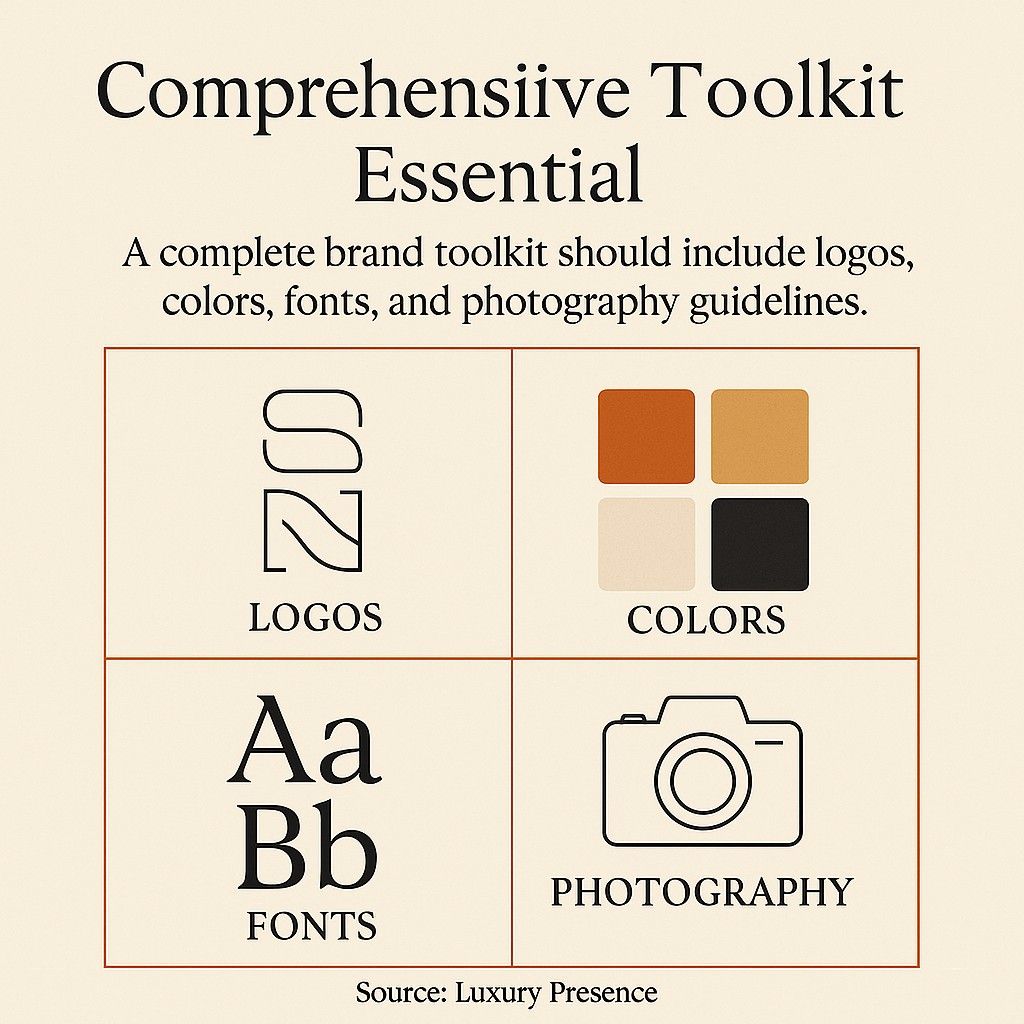
A comprehensive marketing toolkit should include a full suite of brand assets such as logo variations, color palettes, typography guidelines, and approved photography styles. This ensures every piece you create, whether it's a Facebook post or an open house sign, reinforces the same professional image.
Build a comprehensive toolkit with logo variations, color palettes, typography, and approved photo styles for consistent branding.
The Essential Components of a Marketing Toolkit
Your core toolkit needs three foundation layers. First, brand identity assets: your logo files in multiple formats, color codes for digital and print, approved fonts, and visual style guidelines. Second, template library: pre-designed layouts for flyers, social posts, email headers, and presentations that maintain consistency while allowing customization. Third, content assets: high-quality photos, property descriptions, agent bios, and market data you can repurpose across materials.
Most agents make the mistake of creating materials one at a time, whenever they need something. This creates visual inconsistency and wastes time. Build your foundation once, then deploy it everywhere.
Digital vs. Print: When to Use Each
Digital materials excel at reach, speed, and tracking. You can update a website listing instantly. You can measure email open rates and social media engagement. You can retarget prospects who viewed your content but didn't convert.
Print materials build trust through tangibility. A well-designed brochure signals professionalism in ways a digital PDF doesn't. Business cards facilitate face-to-face networking. Yard signs claim physical territory in neighborhoods.
Use digital for lead generation and nurturing. Use print for credibility building and local market dominance. The best strategies combine both strategically.
Why Real Estate Marketing Materials Matter
Professional marketing materials separate successful agents from struggling ones. They communicate competence before you say a word. They extend your reach beyond personal networking. They create multiple touchpoints that guide prospects toward working with you.
Without proper materials, you're competing with one hand tied behind your back. Your competitors are sending branded postcards to neighborhoods. They're running targeted social media ads with professional property videos. They're handing out business cards that showcase their expertise through design alone.
Your materials are your 24/7 sales team. A well-designed website answers questions while you sleep. A strategically placed yard sign generates calls from neighbors. A polished presentation convinces sellers you're the right agent before you pitch your services.
First Impressions and Brand Recognition
Prospects judge your professionalism within seconds of seeing your materials. A pixelated logo on a business card suggests you cut corners. A generic Canva template with no customization says you're inexperienced. Poor-quality photos on a listing flyer imply the property isn't worth professional treatment.
Consistent branding across all materials builds recognition over time. When someone sees your colors, fonts, and style repeatedly, you become the agent they think of first. This compounds as you distribute more materials across more channels.
Lead Generation and Conversion Impact
Effective marketing materials turn strangers into leads, and leads into clients. A compelling social media post drives traffic to your website. Your website's clear calls-to-action convert visitors into email subscribers. Your email nurture sequence builds trust until prospects are ready to buy or sell.
Each material plays a specific role in this journey. Yard signs create awareness. Open house flyers capture contact information. Follow-up postcards maintain top-of-mind presence. Luxury presentation materials close high-value deals.
Materials also multiply your time. One professional property video can be shared across YouTube, Instagram, Facebook, email campaigns, and your website. One well-written property description works in MLS listings, print flyers, and social posts with minor adjustments.
Digital Real Estate Marketing Materials
Digital materials reach more prospects, cost less to distribute, and provide measurable results. They're also easier to update as markets change or properties sell. Your digital presence determines whether most prospects ever contact you at all.
Modern buyers start their property search online. They research agents through Google searches and social media profiles. They explore listings through virtual tours before scheduling in-person visits. If your digital materials don't measure up, you're invisible to these prospects.
The most important digital materials include your website, social media content, email marketing, virtual tours, video content, and online advertising. Each serves different functions in your marketing funnel.
Building Your Digital Foundation
Start with assets you'll use repeatedly: professional headshots, agent bio copy, brand logo files, and a library of neighborhood photos. These form the building blocks for every digital piece you create.
Next, establish design templates that maintain visual consistency. Create social media post templates with your brand colors and fonts. Design email header graphics that work across devices. Build landing page layouts you can customize for different listing types.
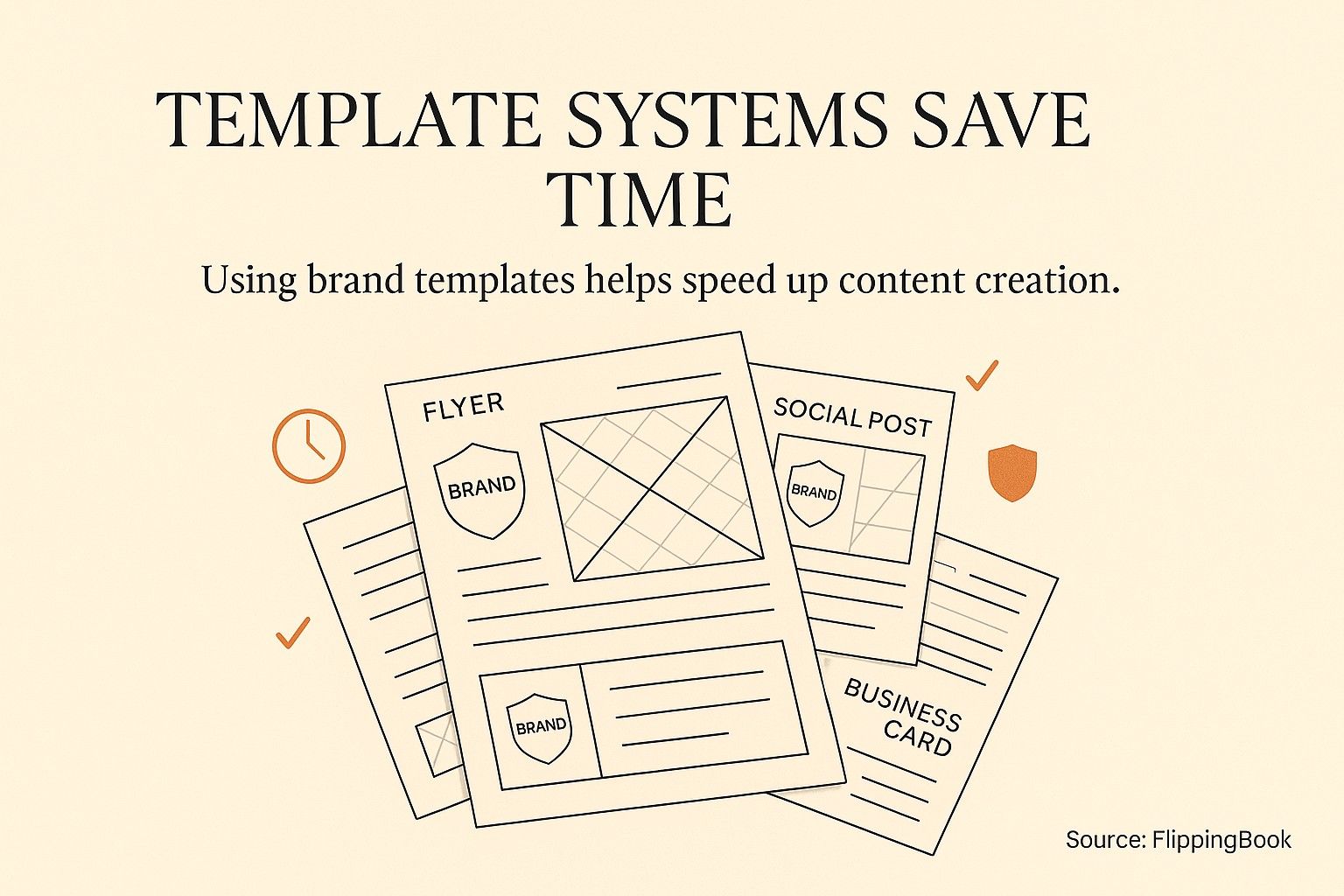
Professionally designed, customizable templates save time and help ensure consistent branding when used with proper brand guidelines. You're not starting from scratch every time you need a new Instagram post or property flyer.
Professionally designed, customizable templates save time and keep your branding consistent across channels.
Essential Digital Marketing Tools
Your digital toolkit needs specific software and platforms. For website management, consider Webflow for custom design flexibility or WordPress for easier content updates. For social media scheduling, tools like Buffer or Later help maintain consistent posting.
Email marketing platforms like Mailchimp or Constant Contact manage subscriber lists and automate follow-up sequences. For creating graphics, Canva offers real estate-specific templates, while Adobe Photoshop provides professional-grade editing.
Providing agents with editable templates in user-friendly platforms like Canva or PowerPoint removes technical barriers and empowers agents to personalize materials efficiently. You don't need to be a designer to create professional-looking content.
Editable templates in Canva or PowerPoint remove technical barriers and empower agents to personalize materials.

Professional Real Estate Website
Your website is your most important digital asset. It's where prospects evaluate your expertise, explore your listings, and decide whether to contact you. A professional website is essential for establishing trust and generating leads, with features like MLS integration, mobile optimization, and interactive maps being critical for user engagement.
A basic website with your contact information isn't enough. Modern real estate sites need property search functionality, neighborhood guides, market reports, virtual tours, lead capture forms, and responsive mobile design. Your site should work as hard as you do.
Must-Have Website Features
MLS integration displays your listings automatically without manual updates. IDX functionality lets visitors search all area listings, positioning you as a market resource, not just a listing showcase. Mobile optimization ensures your site works perfectly on smartphones where most searches happen.
Lead capture tools turn visitors into contacts. Implement email signup forms on every page. Offer valuable downloads like neighborhood guides or buyer checklists in exchange for contact information. Use chatbots or live chat to answer questions in real-time.
Speed matters tremendously. Compress images so pages load in under three seconds. Use a reliable hosting service that handles traffic spikes during open houses. Slow sites lose prospects before they see your content.
Design Elements That Convert
Clear navigation helps visitors find what they need quickly. Organize your menu logically: Search Listings, Neighborhoods, Buyer Resources, Seller Resources, About, Contact. Don't hide important pages in dropdown menus.
Strong calls-to-action guide visitors toward contacting you. Place "Schedule a Consultation" buttons prominently on every page. Use contrasting colors that stand out from your background. Test different button text to see what generates more clicks.
Professional photography showcases your brand and listings. Include a high-quality headshot on your About page. Feature your best listing photos on the homepage. Add professional property images throughout the site, not just on listing pages.
SEO and Local Search Optimization
Optimize every page for search engines. Include location keywords in page titles, headings, and content. Create neighborhood-specific pages that target local search terms. Write blog posts answering common buyer and seller questions in your market.
Build backlinks from local business directories, chamber of commerce sites, and community organizations. These signals tell Google you're a legitimate local business. Claim and optimize your Google Business Profile with accurate information, photos, and regular updates.
Schema markup helps search engines understand your content. Implement LocalBusiness schema with your contact details. Add Offer schema to listings. Use FAQ schema for common questions. This technical SEO can improve your search visibility significantly.
Social Media Marketing Content
Social media extends your reach beyond your website and email list. It builds relationships through regular interaction. It positions you as a market expert through educational content. It generates referrals when your followers share your posts.
The key platforms for real estate are Facebook, Instagram, LinkedIn, and YouTube. Each serves different purposes and attracts different audiences. Facebook works well for local community engagement and targeted advertising. Instagram showcases properties through visual storytelling. LinkedIn builds professional connections with other agents and service providers. YouTube hosts long-form video content like market updates and property tours.
Content Types That Engage Audiences
Listing posts showcase available properties with compelling photos and descriptions. Ready-made templates for flyers, postcards, direct mailers, social media posts, and brochures streamline workflow and maintain a polished appearance. Create branded templates you can populate quickly with new listing details.
Educational posts answer common questions about buying, selling, financing, and market conditions. Share tips on home preparation, negotiation strategies, and local market trends. This positions you as a helpful expert, not just a salesperson.
Behind-the-scenes content humanizes your brand. Share photos from open houses, closing celebrations, and team meetings. Show the work that goes into successful transactions. People connect with people, not corporate facades.
Posting Frequency and Timing
Consistency matters more than volume. Post 3-5 times per week on your primary platform. Schedule content in advance using tools like Buffer or Hootsuite so you maintain presence even during busy weeks.
Timing affects engagement rates. Test different posting times to find when your audience is most active. Generally, weekday mornings and early evenings see higher engagement for real estate content. Weekend posts perform well for open house announcements and property showcases.
Paid Social Advertising Strategy
Organic reach on social media has declined significantly. Paid advertising amplifies your best content to targeted audiences. Facebook and Instagram ads let you target by location, demographics, interests, and behaviors.
Start with small budgets to test different ad formats. Try carousel ads showcasing multiple listing photos. Test video ads with virtual tours. Experiment with lead generation ads that collect contact information without leaving the platform.
Retargeting campaigns reach people who've visited your website but haven't contacted you. Install Facebook and Instagram pixels on your site. Create custom audiences of recent visitors. Show them targeted ads featuring your newest listings or special offers.
3D Virtual Tours and Video Walkthroughs
Virtual tours and video content have become essential marketing tools. They qualify prospects before in-person showings, saving time for serious buyers. They showcase properties to out-of-town buyers who can't visit immediately. They provide immersive experiences that photos alone can't deliver.
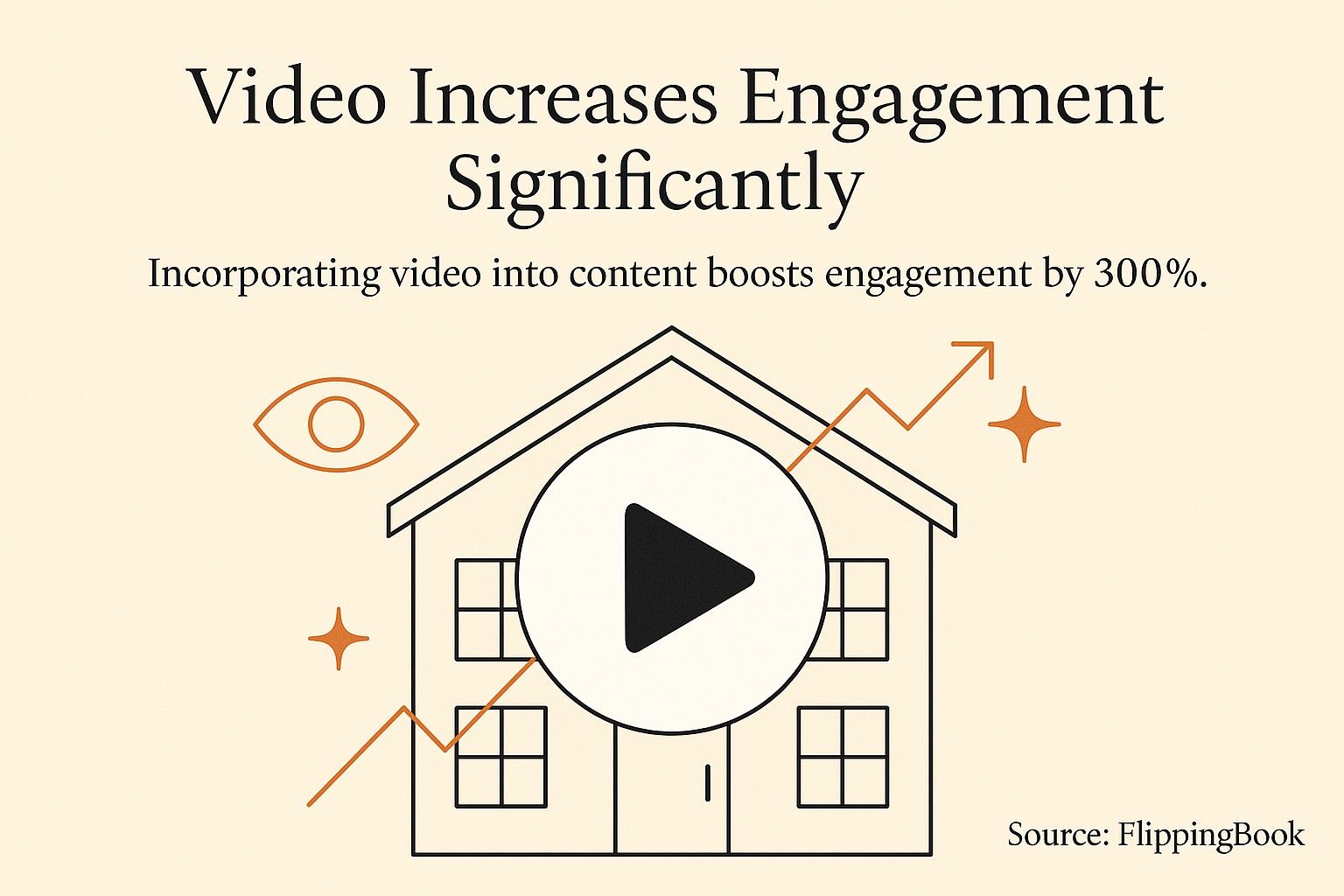
Video content, including high-quality property tours, significantly increases engagement and helps agents stand out in competitive markets. Properties with video content receive more views and generate more inquiries than those with only photos.
High-quality property video tours significantly increase engagement and help listings stand out.
3D Tour Technology Options
Matterport creates interactive 3D models that let viewers navigate properties at their own pace. The technology captures floor plans, measurements, and immersive views. It's particularly effective for luxury properties and new developments.
360-degree tours use panoramic photography to simulate walking through spaces. They're more affordable than Matterport but less interactive. Services like CloudPano and Kuula make creating these tours accessible.
For developments and projects not yet built, 3D rendering services and tools like AmplyViewer create visualizations of future spaces. These immersive representations help buyers envision completed projects from architectural plans.
Creating Effective Property Videos
Start with a shot list covering key selling points: exterior facade, living spaces, kitchen, bedrooms, bathrooms, outdoor areas, and neighborhood context. Plan your route through the property to create smooth, logical transitions.
Use stabilization equipment or a gimbal to avoid shaky footage. Shoot in natural light when possible, supplementing with additional lighting in darker spaces. Keep camera movements slow and deliberate. Fast pans and zooms look amateurish.
Edit for pacing and engagement. Most property videos should be 2-3 minutes maximum. Start with an attention-grabbing exterior shot. Showcase the best features first. Add subtle background music, but avoid overpowering the visuals. Include text overlays highlighting key features and pricing.
Video Distribution Channels
Upload videos to YouTube with optimized titles, descriptions, and tags. YouTube functions as a search engine for property searches. Create a branded channel showcasing all your listings and market updates.
Share shorter clips on Instagram and Facebook. Create 60-second teaser versions for Instagram feed posts. Use Instagram Stories for behind-the-scenes footage. Post full tours to Facebook where they can be shared easily.
Embed videos on your website listing pages. Add them to MLS listings when permitted. Include video links in email marketing campaigns. The more places your video appears, the more prospects it reaches.
High-Quality Photography and Videography
Professional photography is non-negotiable for serious agents. Poor photos cost you listings and buyers. They suggest the property isn't worth professional treatment. They fail to showcase features that could attract offers.
Invest in professional photography for every listing. Hire experienced real estate photographers who understand staging, lighting, and composition. The cost, typically a few hundred dollars per property, returns itself many times over through faster sales and higher prices.
Essential Photography Equipment
Professional photographers use wide-angle lenses to capture rooms fully without distortion. Full-frame DSLR or mirrorless cameras provide superior image quality in various lighting conditions. Tripods ensure sharp images and consistent framing.
External flash units and continuous lighting control shadows and highlight features. HDR (High Dynamic Range) photography combines multiple exposures for balanced interior and exterior lighting. This technique prevents blown-out windows and dark corners.
Drone photography adds aerial perspectives that showcase property size, layout, and surroundings. Aerial shots work particularly well for larger estates, waterfront properties, and homes with significant land. Check local regulations before flying drones commercially.
Photography Best Practices
Shoot during the golden hour when possible. Morning and late afternoon light creates warm, inviting images. Avoid harsh midday sun that creates strong shadows and washed-out colors.
Stage spaces before shooting. Remove clutter, personal items, and distracting elements. Turn on all lights. Open curtains to maximize natural light. Make beds and fluff pillows. Small details significantly impact final images.
Capture a variety of angles and perspectives. Include wide shots showing entire rooms and tight shots highlighting special features. Photograph from corners to maximize depth. Shoot at eye level for most interior photos, slightly elevated for exterior shots.
Image Editing and Optimization
Basic editing enhances photos without misrepresenting properties. Adjust exposure, contrast, and color balance. Straighten crooked lines. Remove minor imperfections like dust or small stains. Avoid heavy filters that dramatically alter colors or add unrealistic effects.
Optimize images for web and print use. Save high-resolution versions for print materials like brochures and yard signs. Create smaller, compressed versions for websites and social media. Large files slow website loading times and frustrate mobile users.
Organize your photo library systematically. Create folders by property address. Tag images by room and feature type. This organization saves time when creating various marketing materials from the same photo shoot.
Email Marketing and Newsletters
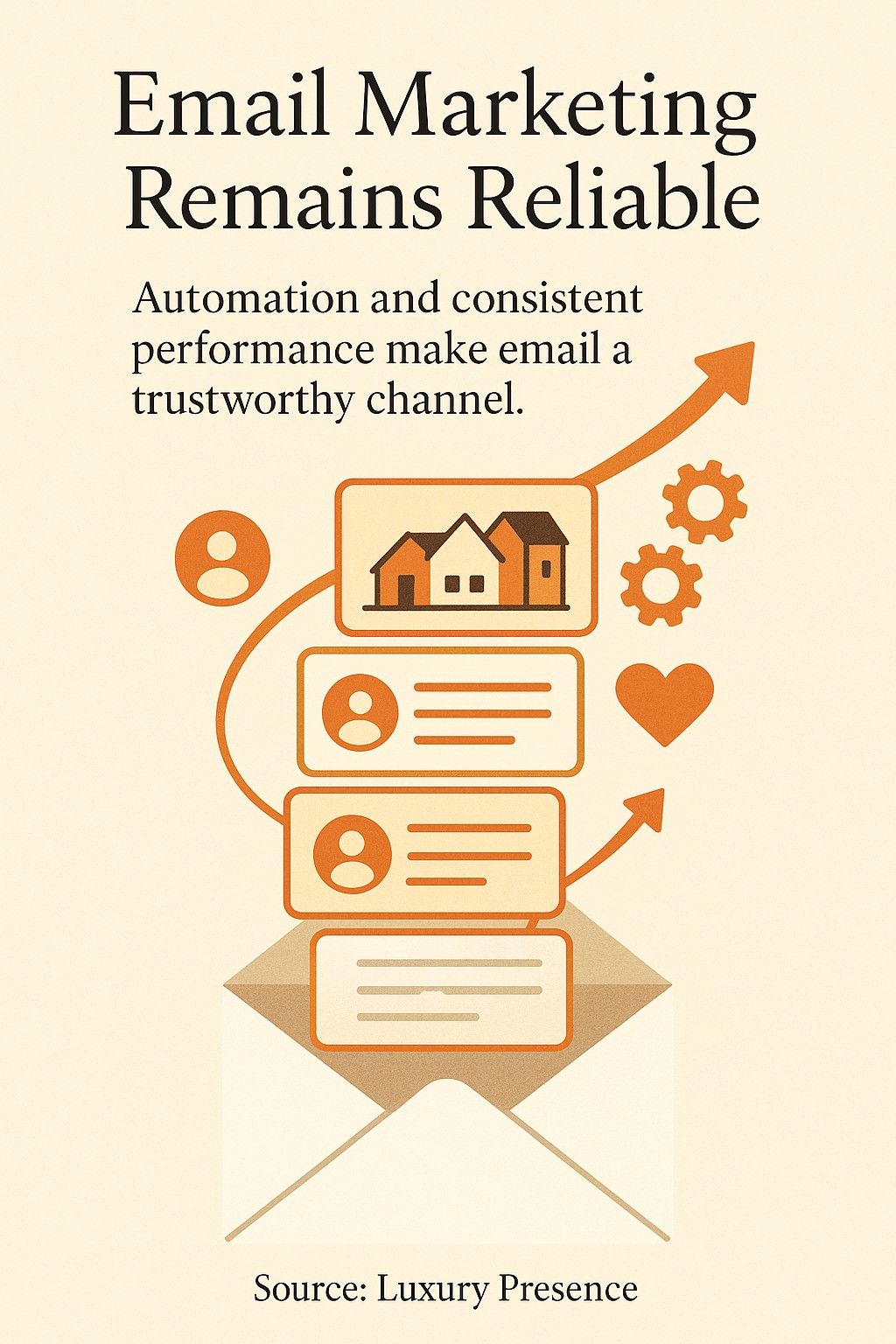
Email marketing remains one of the most reliable channels for nurturing leads, especially when campaigns are segmented and automated. It delivers consistent communication directly to prospects' inboxes. It builds relationships through regular value delivery. It converts leads into clients over time.
Segmented and automated email campaigns remain a reliable way to nurture leads and drive conversions.
Build your email list from day one. Collect addresses at open houses, networking events, and through website signup forms. Never purchase email lists. These contacts haven't opted in and typically generate poor results and potential legal issues.
Types of Real Estate Email Campaigns
Welcome sequences introduce new subscribers to your services. Send 3-5 emails over two weeks covering who you are, what you offer, and how you help clients. Include your best resources, recent success stories, and clear calls-to-action.
Listing alerts notify subscribers about new properties matching their criteria. Segment your list by buyer preferences: price range, location, property type. Automated alerts keep you top-of-mind as new inventory becomes available.
Market update newsletters share local real estate trends, recent sales data, and expert analysis. Send monthly or quarterly to maintain engagement without overwhelming subscribers. Include neighborhood spotlights, buying and selling tips, and community news.
Email Design and Content Strategy
Mobile optimization is critical. Over 60% of emails are opened on mobile devices. Use single-column layouts. Make buttons large enough to tap easily. Keep subject lines under 50 characters so they don't get cut off on small screens.
Clear subject lines improve open rates. Be specific about the email's value: "3 New Listings in Downtown Phoenix" beats "Monthly Newsletter." Test different approaches to see what resonates with your audience.
Personalization increases engagement. Use subscribers' names in subject lines and greetings. Reference their stated preferences. Segment your list and send targeted content based on buyer or seller status, location interest, and previous interactions.
Email Marketing Platforms and Automation
Mailchimp offers user-friendly templates and automation for agents with smaller lists. Constant Contact provides real estate-specific templates and integration options. For more sophisticated automation, consider ActiveCampaign or HubSpot.
Automate your most important sequences. Set up welcome series for new subscribers. Create drip campaigns that nurture leads over months. Build re-engagement campaigns for inactive subscribers. Automation maintains consistent communication without manual effort.
Track performance metrics to improve results. Monitor open rates, click-through rates, and unsubscribe rates. Test different subject lines, send times, and content formats. Use data to refine your approach continuously.
Print Real Estate Marketing Materials
Print materials remain relevant despite digital dominance. They provide tangible credibility that digital can't replicate. They work in situations where digital doesn't: networking events, open houses, and direct mail campaigns to non-digital demographics.
The most effective print materials include business cards, property flyers, postcards, brochures, yard signs, and open house signage. Each serves specific functions in your marketing mix.
When Print Outperforms Digital
Face-to-face interactions require business cards. Digital alternatives exist, but physical cards remain the standard for professional networking. Hand someone a card at a community event or closing table, and you've made a tangible connection.
Direct mail reaches homeowners who aren't actively searching online. Send "just sold" postcards to neighbors. Mail market reports to farm areas. Target expired listings with personal letters. These tactics reach motivated sellers before they start online research.
Open houses need print materials. Visitors expect to take something tangible. Property flyers provide details they can review later. Sign-in sheets capture contact information. Branded giveaways keep your name in front of prospects.
Print Production Quality Standards
Paper stock affects perception. Use at least 100lb cover stock for business cards and postcards. Choose 80lb or heavier gloss text for flyers and brochures. Cheap, thin paper suggests you cut corners everywhere.
Print resolution must be 300 DPI minimum. Lower resolution creates blurry, pixelated images that look unprofessional. Convert RGB colors to CMYK for accurate print reproduction. Test print small quantities before ordering large runs.
Professional printing services deliver better results than home printers. Companies like Vistaprint, Moo, or local print shops provide higher quality at reasonable costs. They also offer finishing options like UV coating, rounded corners, and premium paper stocks.
Business Cards
Business cards are your most essential print material. You should always carry a stack ready to hand out. They facilitate immediate connections that might not happen if you're fumbling with phones to exchange contact information digitally.
A professional business card includes your name, title, phone number, email, website, and logo. Include your photo to help people remember you. Add social media handles if they're professionally maintained. Skip cluttered designs with too much information.
Design Elements That Work
Your card's design should match your overall brand. Use the same colors, fonts, and logo as your website and other materials. Consistency builds recognition over time.
High-quality headshots on business cards increase memorability. People remember faces better than names. Professional photos signal you take your business seriously. Avoid casual selfies or low-resolution images.
Consider special finishes for added impact. Spot UV coating highlights your logo or name. Metallic foil adds luxury appeal for high-end markets. Textured or specialty paper stocks make cards more memorable. These upgrades cost more but create stronger impressions.
Strategic Distribution
Hand out cards everywhere: networking events, open houses, closings, coffee shops, community gatherings. Keep stacks in your car, office, and bag. You never know when you'll meet a potential client.
Don't just hand them out randomly. Have brief conversations first. Ask questions about their real estate needs. Offer genuine help. Then give your card as a natural follow-up tool. Context makes cards more valuable than random distribution.
Follow up after exchanging cards. Send a quick email or text the same day referencing your conversation. Connect on LinkedIn or Facebook. Enter their information into your CRM. The card starts the relationship; your follow-up nurtures it.
Property Flyers and Brochures
Property flyers showcase individual listings with detailed information and photos. Brochures provide more space for storytelling and multiple properties. Both work at open houses, property displays, and direct mail campaigns.
Effective property marketing materials highlight key selling points immediately. Lead with the best photo. Display the price prominently. List must-know details: bedrooms, bathrooms, square footage, lot size. Include compelling descriptions that sell lifestyle, not just features.
Single-Sheet Flyer Design
One-page flyers work best for open houses and property boxes. They're inexpensive to print in bulk. They provide enough information for interested prospects without overwhelming casual browsers.
Use a strong visual hierarchy. The hero image should occupy roughly half the page. Price and address get prominent placement. Feature list uses bullet points for easy scanning. Add a clear call-to-action: "Schedule Your Private Tour Today."
Include QR codes linking to virtual tours or additional online information. Modern buyers expect to explore properties digitally before committing to viewings. QR codes bridge print and digital experiences seamlessly.
Multi-Page Brochure Strategy
Brochures suit luxury properties, new developments, and complex commercial spaces. They allow detailed storytelling, multiple photos, floor plans, and neighborhood information that single flyers can't accommodate.
Organize content logically. Cover showcases the property hero shot and key details. Inside pages highlight different spaces with photos and descriptions. Include floor plans, amenities, and location benefits. Back cover features your contact information and call-to-action.
Professional copywriting elevates brochures beyond basic feature lists. Paint pictures of lifestyle experiences. Describe how spaces feel, not just measurements. Use emotional language that helps buyers envision themselves living there.
Template Systems for Efficiency
Create branded templates you can customize quickly for new listings. Ready-made templates for flyers, postcards, direct mailers, social media posts, and brochures streamline workflow and maintain a polished appearance. Update photos, text, and details while maintaining consistent design.
Tools like Canva, Adobe InDesign, or Lucidpress offer template-based design systems. Many provide real estate-specific layouts you can brand with your colors, fonts, and logo.
Maintain a content library of reusable elements: agent bios, company descriptions, legal disclaimers, logo files. This eliminates recreating standard content for every new flyer or brochure.
Postcards and Direct Mail Campaigns
Postcards remain effective for real estate marketing because they're immediately visible without opening envelopes. Recipients see your message whether they want to or not. This makes them ideal for farming neighborhoods and staying top-of-mind.
Direct mail works best with consistent campaigns, not one-off mailings. Plan to mail the same area monthly or quarterly. Repeated exposure builds name recognition and trust over time. Single mailings rarely generate immediate results.
Effective Postcard Campaigns
"Just Sold" postcards announce recent closings to neighbors. They demonstrate your active presence in the area. They prompt neighbors considering selling to contact you based on proven success nearby.
Market update postcards share neighborhood sales data and trends. Position yourself as the local expert with valuable information. Include recent sales prices, average days on market, and absorption rates for the specific neighborhood.
Farming postcards maintain regular contact with specific geographic areas. Choose neighborhoods where you want to become the go-to agent. Mail consistently to establish presence and build relationships over 12-18 months.
Design and Messaging Best Practices
Front side should grab attention immediately. Use a striking property photo or attention-getting headline. Include your photo and logo for brand recognition. Keep text minimal on the image side.
Back side delivers your message and call-to-action. Write a clear, specific headline. Provide valuable information, not just self-promotion. Include multiple contact methods: phone, email, website, QR code.
Personalization improves response rates. Address recipients by name when possible. Reference specific neighborhood characteristics. Mention nearby landmarks or recent local events to demonstrate community knowledge.
Targeting and List Management
Geographic farming targets specific neighborhoods where you want to establish dominance. Focus on areas with decent turnover rates and price points matching your expertise. Consistent mailing to 500-1000 homes builds recognition.
Demographic targeting reaches specific prospect types. Target expired listings with letters offering fresh marketing approaches. Mail to homeowners who've owned properties 5-7 years when equity has built. Reach absentee owners who may be ready to sell investment properties.
Services like Corefact, ProspectsPLUS, and Keeping Current Matters provide designed postcard templates and mailing list management specifically for real estate professionals.
Property Signage and Yard Signs
Yard signs and open house signs generate significant leads through visibility alone. They claim territory in neighborhoods. They attract drive-by prospects who weren't actively searching. They project professional presence in local markets.
Every property you list should have prominent signage. It's free advertising that works 24/7. Neighbors see your signs regularly, building name recognition. Passersby searching for homes in the area call the number on signs.
Yard Sign Design Essentials
Readable text is paramount. Use large, bold fonts visible from moving cars. Limit text to essentials: your name, phone number, company logo. Avoid cluttering signs with too much information that can't be read quickly.
Color contrast improves visibility. Dark text on light backgrounds or vice versa. Test readability from 50 feet away. Colors should match your brand while remaining highly legible.
Professional construction withstands weather. Use corrugated plastic or metal materials. Secure posts firmly to prevent tipping. Replace worn or damaged signs immediately. Shabby signs reflect poorly on your professionalism.
Sign Riders and Add-Ons
Directional riders advertise open houses and special features. "Open Sunday 1-3" riders generate additional traffic. "Virtual Tour Available" riders drive online engagement. "Price Reduced" riders attract attention from previous drive-bys.
Information boxes attached to sign posts hold property flyers for passersby. Keep them stocked regularly. Monitor daily during active listing periods. These capture interested prospects who discover properties outside business hours.
Solar-powered spotlights illuminate signs at night. Lit signs remain visible when most competitors' signs disappear after dark. This extends your advertising hours and improves visibility.
Open House Signage Strategy
Directional signs guide traffic from main roads to properties. Place signs at every turn between major streets and the listing. Use bold arrows and clear text. Include your branding for additional exposure.
Check local regulations before placing signs. Many municipalities restrict signage locations, sizes, and timing. Follow rules to avoid fines and maintain good community relations.
Collect signs promptly after events. Leaving signs up annoys neighbors and violates most regulations. Professional agents remove signs within hours of open house endings.
Branding and Brand Consistency
Consistent branding makes you memorable. When prospects see your colors, fonts, and style repeatedly across business cards, yard signs, social media, and flyers, you become the agent they think of first. Inconsistent branding confuses people and dilutes recognition.
A comprehensive marketing toolkit should include a full suite of brand assets such as logo variations, color palettes, typography guidelines, and approved photography styles. These standards ensure every piece you create reinforces your professional image.
Building Your Brand Identity System
Start with logo variations. Create versions for different backgrounds: color logo on white, white logo on dark backgrounds, simplified logo for small applications. Save in multiple formats: PNG with transparency, JPG, vector files for print.
Define your color palette precisely. Choose 2-3 primary colors and 2-3 accent colors. Specify exact color codes: hex codes for digital, CMYK for print, RGB for screens. This ensures colors look identical across all materials.
Select typography that matches your brand personality. Choose one font for headlines and one for body text. Stick with these consistently. Free alternatives exist if you can't afford premium fonts, but maintain consistency once selected.
Creating Brand Guidelines
Document your brand standards in a simple guide. Include logo usage rules, color codes, approved fonts, photography styles, and tone of voice guidelines. Share this with anyone creating materials for you: graphic designers, marketing assistants, social media managers.
Show correct and incorrect usage examples. Demonstrate proper logo placement and sizing. Display color combinations that work and those that don't. Provide sample layouts for common materials.
Update guidelines as your brand evolves. Review annually to ensure standards still reflect your positioning. Add new asset types as you expand your marketing toolkit.
Maintaining Consistency Across Channels
Template systems enforce consistency automatically. Create master templates for all regular materials: social posts, flyers, email headers, presentation slides. Update content while maintaining design structure.
Centralize your brand assets in cloud storage accessible to team members. Organize folders clearly: Logos, Fonts, Photos, Templates, Brand Guidelines. This prevents people from using outdated versions.
Audit your materials quarterly. Review all active marketing pieces for brand compliance. Update or retire anything that doesn't meet current standards. Consistent brands require ongoing maintenance, not one-time setup.
Property Listing Presentations and Materials
Listing presentations convince sellers to choose you as their agent. Professional presentation materials demonstrate your marketing capabilities before you're hired. They show, not just tell, how you'll market properties.
A complete listing presentation includes your agent bio, recent sales success, marketing plan overview, pricing analysis, sample marketing materials, client testimonials, and clear service agreements. All materials should be branded consistently and presented professionally.
Essential Presentation Components
Comparative market analysis shows sellers where their property fits in the current market. Include recently sold comparable properties, active competing listings, and recommended pricing strategy. Present data visually through charts and graphs, not just raw numbers.
Marketing plan overview details exactly how you'll promote their property. Show samples of professional photography, virtual tours, social media posts, email campaigns, print materials, and advertising you'll deploy. Tangible examples prove your capabilities better than promises.
Success stories and testimonials build credibility. Share recent sales results with before-and-after marketing examples. Include client testimonials specifically mentioning your marketing efforts. Demonstrate proven results that sellers can expect.
Presentation Folder and Leave-Behind Materials
Professional folders hold your presentation materials together. Use branded folders with your logo, colors, and contact information. Pocket folders work well for organized, professional presentation of multiple documents.
Leave-behind materials keep you top-of-mind after presentations. Provide a printed summary of your marketing plan, CMA, and service agreement. Include your business card or digital business card for easy follow-up.
Digital versions complement print presentations. Create PDF versions of your presentation for email follow-up. Build an online portfolio page showcasing your marketing capabilities. Some sellers prefer reviewing materials digitally.
Customizing for Different Property Types
Luxury presentations require elevated design and printing. Use premium paper stocks, perfect binding, and sophisticated layouts. Include examples of luxury marketing materials you've created previously.
First-time seller presentations need more education. Explain the selling process clearly. Provide more detailed marketing explanations. Include guides and checklists that help nervous sellers understand what to expect.
Investment property presentations focus on numbers and timelines. Emphasize your ability to reach investor buyers. Highlight your track record with similar properties. Provide detailed market data and absorption rates.
Creating Your Marketing Materials Action Plan
You now understand what real estate marketing materials exist and why they matter. The question becomes: where do you start? Building a complete marketing toolkit feels overwhelming when you're staring at 15 categories of materials.
Start with materials that have immediate impact and relatively low cost. Your business cards, a professional website, and social media profiles form your essential foundation. These three assets alone let you network effectively, establish online presence, and begin building your brand.
Phase One: Essential Foundations (Month 1-2)
Design and order professional business cards with your photo, contact details, and branding. Set up or refresh your website with mobile optimization and lead capture forms. Claim and optimize your Google Business Profile and social media accounts on Facebook and Instagram.
Create basic brand guidelines defining your colors, fonts, and logo usage. Document these standards now before producing more materials. This foundation prevents inconsistent branding as you expand.
Build a simple template library. Design a social media post template, email signature, and basic flyer layout. These templates accelerate material creation while maintaining consistency.
Phase Two: Lead Generation Materials (Month 3-4)
Order yard signs and directional signs for listing marketing. Create property flyer templates you can customize quickly. Set up email marketing with a welcome sequence for new subscribers.
Invest in professional photography equipment or establish relationships with photographers. High-quality photos become the foundation for flyers, social posts, website listings, and brochures.
Develop your listing presentation materials. Design a professional folder showcasing your marketing capabilities. Create a CMA template for pricing analysis. Build a leave-behind packet that impresses potential clients.
Phase Three: Advanced Marketing Tools (Month 5-6)
Add video capabilities to your toolkit. Start with simple smartphone videos, upgrading to professional equipment as budget allows. Learn basic editing or hire editors to polish your content.
Implement 3D virtual tour technology for listings. Research options like Matterport or more affordable alternatives. Virtual tours increasingly differentiate listings in competitive markets.
Launch direct mail campaigns targeting farm areas or specific demographics. Design postcards announcing your services and recent sales. Plan consistent monthly mailings to build recognition over time.
Ongoing: Optimization and Expansion
Track which materials generate the best results. Monitor lead sources through your CRM. Invest more in materials that deliver measurable returns. Eliminate or reduce spending on materials that don't perform.
Test variations of your materials. Try different business card designs. Experiment with postcard messages. A/B test email subject lines. Small improvements compound over time into significantly better results.
Update materials as your brand and market evolve. Refresh designs annually to stay current. Add new materials as budget allows and opportunities emerge. Refine your messaging based on what resonates with your specific audience.
Building a complete marketing toolkit takes time and budget. Focus on materials that match your current business stage and target market. Consistency matters more than having everything immediately. Start with essentials, maintain quality standards, and expand strategically as your business grows.