Property Developer Brand Identity
Your property development brand identity isn't just a logo and color scheme. It's the complete system that connects your development vision to every buyer touchpoint.
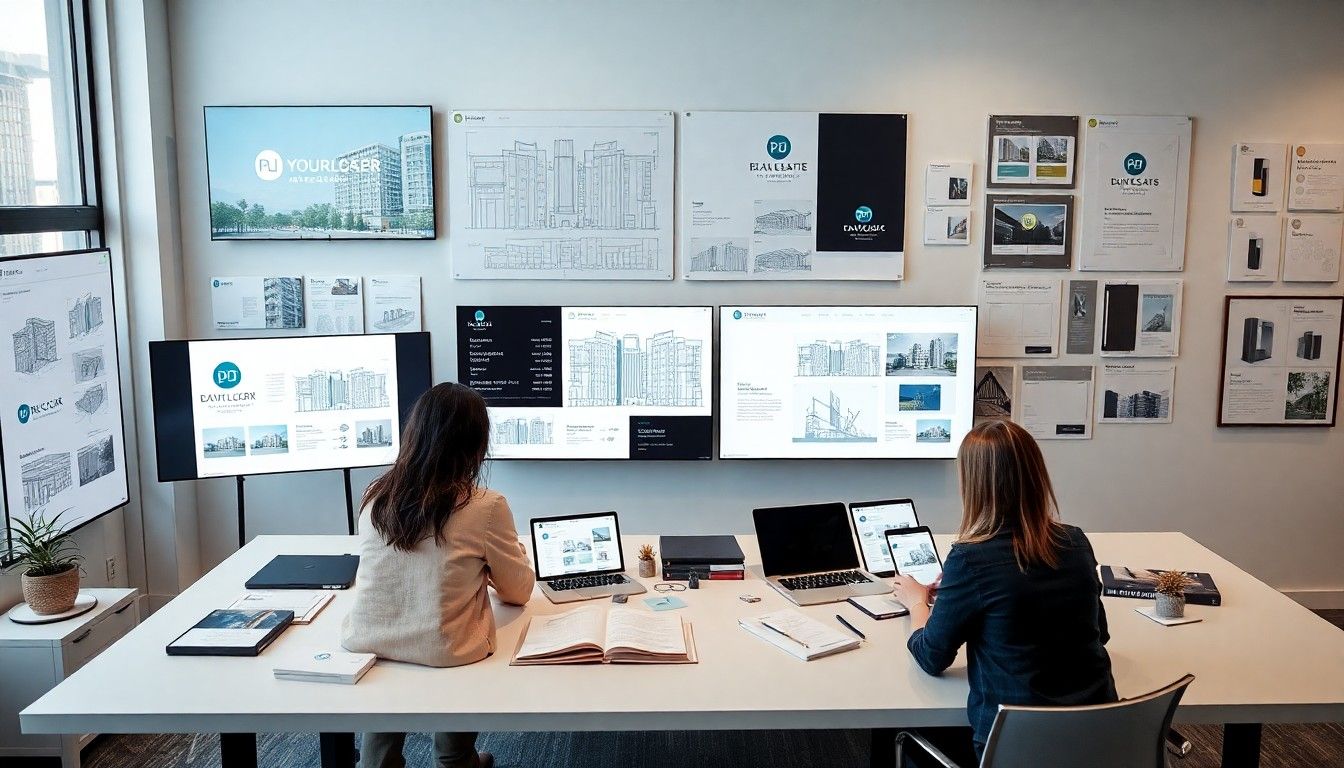
A strong property developer brand identity includes your visual elements (logo, color palette, typography), your messaging strategy, and how these work together across brochures, websites, signage, and sales materials. Visual identity elements - such as color palettes, typography, and textures - are chosen to reflect both the physical character of the development and the aspirations of its target audience.
Here's what makes this crucial for real estate developers right now.
Property development branding determines whether buyers see your project as just another apartment building or as their future home. It shapes trust, influences pricing perception, and creates emotional connections that drive sales success.
We'll walk through the complete brand identity creation process. You'll learn how to build visual systems that work, craft messaging that resonates with your target audience, and implement your brand consistently across all marketing materials.
What Is Property Developer Brand Identity?
Property developer brand identity is the visual and verbal system that defines how your real estate projects appear and communicate to buyers, investors, and the broader market.
Think of brand identity as your development company's complete presentation package. It includes your logo design, your color choices, your typography, your brand voice, and how all these elements work together.
This differs from branding, which is the broader perception people hold about your company. Brand identity is what you control and create. Branding is what people think and feel.
For property developers, this distinction matters because you're selling both the physical space and the lifestyle promise. Your brand identity needs to work across property brochures, development websites, sales offices, construction hoarding, and digital marketing materials.
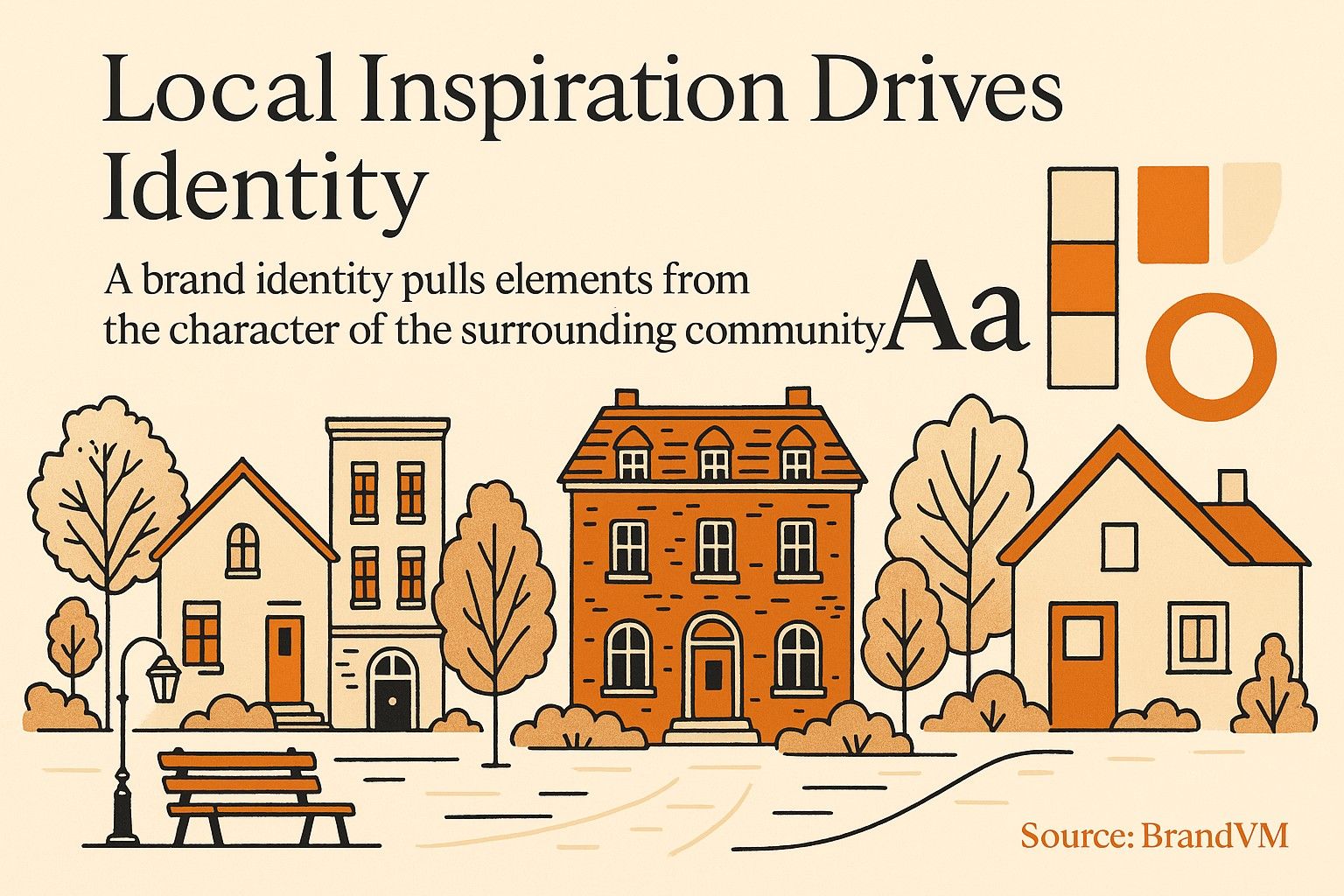
Leading property development brands often draw inspiration from the local environment and community values, using these as the foundation for their visual and narrative identity.
Leading developers ground their brand identity in local environment and community values.
A complete property developer brand identity system includes several components working together:
- Visual identity elements that create recognition
- Brand messaging that communicates your unique value
- Application guidelines for consistent implementation
- Digital and print design templates
- Photography and visual content standards
The goal is creating a cohesive experience. When a buyer sees your construction signage, visits your website, and receives your sales brochure, they should instantly recognize they're experiencing the same developer brand.
Why Brand Identity Matters for Property Developers
Your brand identity directly impacts how quickly properties sell and at what price point.
In real estate development, buyers make emotional decisions backed by logical justifications. Strong brand identity speaks to both sides of this equation.
Trust builds faster when your visual identity looks professional and consistent. Buyers browsing multiple developments notice which developers present polished, cohesive branding versus those with inconsistent marketing materials.
Price perception changes based on brand presentation. Two identical apartment layouts in the same neighborhood can command different prices based solely on how the developers present their brand identity.
Differentiation in Competitive Markets
Your brand identity sets you apart from other developers targeting the same buyer demographics.
Real estate markets get crowded. Multiple developers compete for the same luxury buyers, first-time homeowners, or investment property seekers. Your brand identity becomes the differentiating factor when project locations and specifications blur together.
In-depth branding research, including demographic and psychographic profiling, is used by property developers to identify and appeal to specific market segments that may be overlooked by competitors.
Visual identity helps buyers remember your projects. When they've toured ten developments in one weekend, strong branding makes yours the one they recall clearly.
Building Credibility and Trust
Professional brand identity signals that you're a serious, established developer.
Buyers invest hundreds of thousands of dollars in property purchases. They need confidence that their developer will complete the project as promised. Your brand identity provides visual evidence of your professionalism and attention to detail.
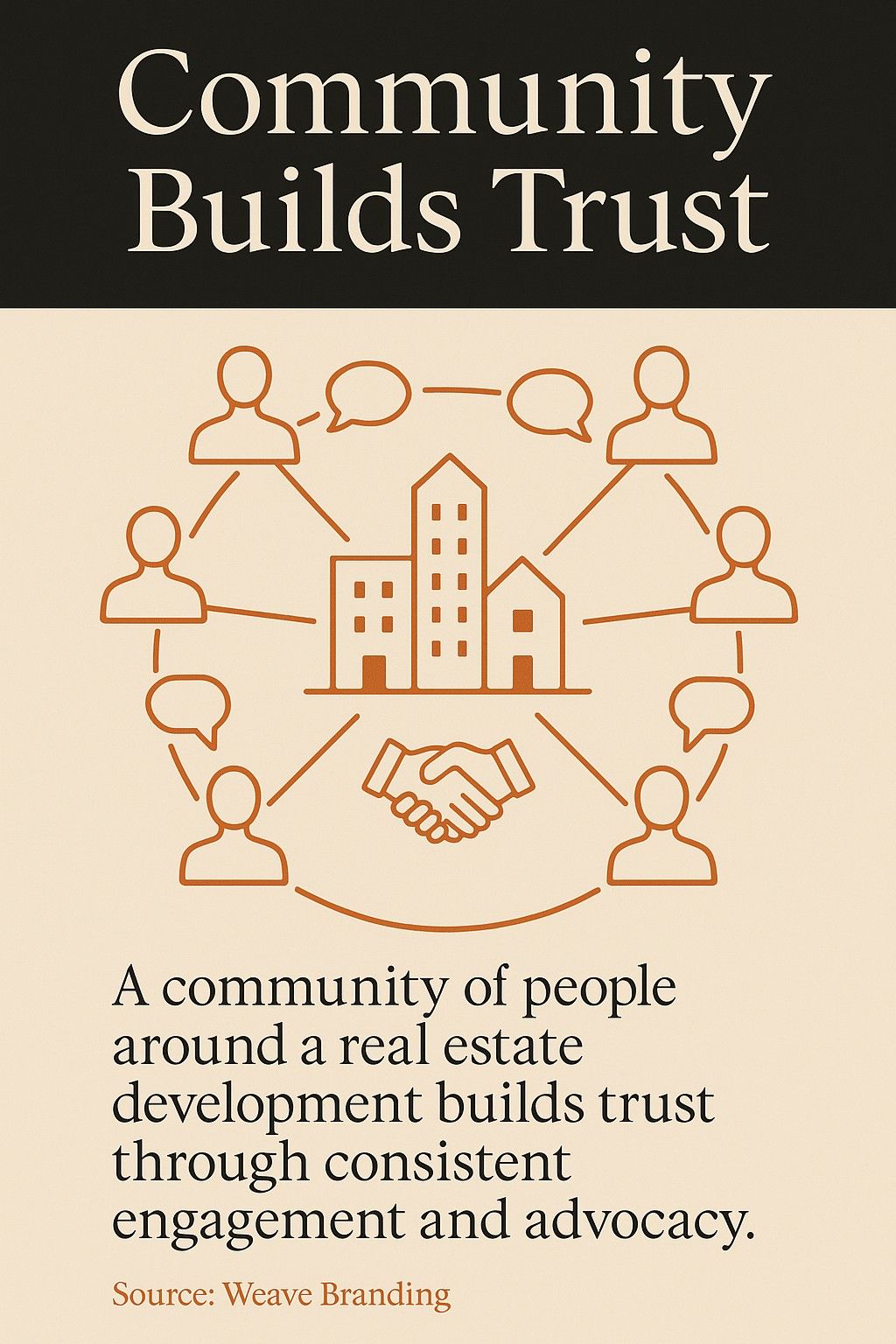
Brands that emphasize community building and local advocacy are perceived as more trustworthy and knowledgeable, which can drive word-of-mouth marketing and long-term loyalty.
Visible community advocacy builds trust, credibility, and word-of-mouth for developers.
Consistent branding across all touchpoints reinforces this trust. When your brand identity remains cohesive from initial advertising through to final property handover, buyers feel confident in their investment decision.
Key Components of a Strong Property Development Brand
Every effective property developer brand identity rests on three foundational pillars: visual identity, brand messaging, and consistent application.
These components work together to create the complete brand experience. Missing any one piece weakens your overall brand impact.
Visual Identity Foundation
Your visual identity includes every design element that represents your property development brand.
The logo serves as your primary brand mark. It appears on every piece of marketing collateral, from business cards to construction site signage. Your logo should work in multiple formats: full color, single color, reversed out on dark backgrounds.
Color palettes establish immediate recognition. Choose 2-4 primary brand colors that reflect your development positioning. Luxury developers often use sophisticated neutrals with metallic accents. Eco-conscious developers might choose earth tones and greens.
Typography selections communicate personality before anyone reads your content. Modern sans-serif fonts suggest contemporary design. Serif fonts convey traditional elegance. Your brand needs primary typefaces for headings and body text.
Brand Messaging and Voice
How your brand communicates matters as much as how it looks.
Brand voice defines your communication style. Are you professional and authoritative? Warm and approachable? Bold and aspirational? This voice should remain consistent across website copy, brochure text, and social media posts.
Your messaging framework includes your positioning statement, key value propositions, and the specific language you use to describe projects. This framework guides everyone creating content for your brand.
Storytelling separates memorable brands from forgettable ones. Case studies from major real estate firms show that successful branding strategies often involve a mix of storytelling, local engagement, and consistent visual language across all touchpoints.
Application Systems
Brand identity only works when applied consistently across all materials.
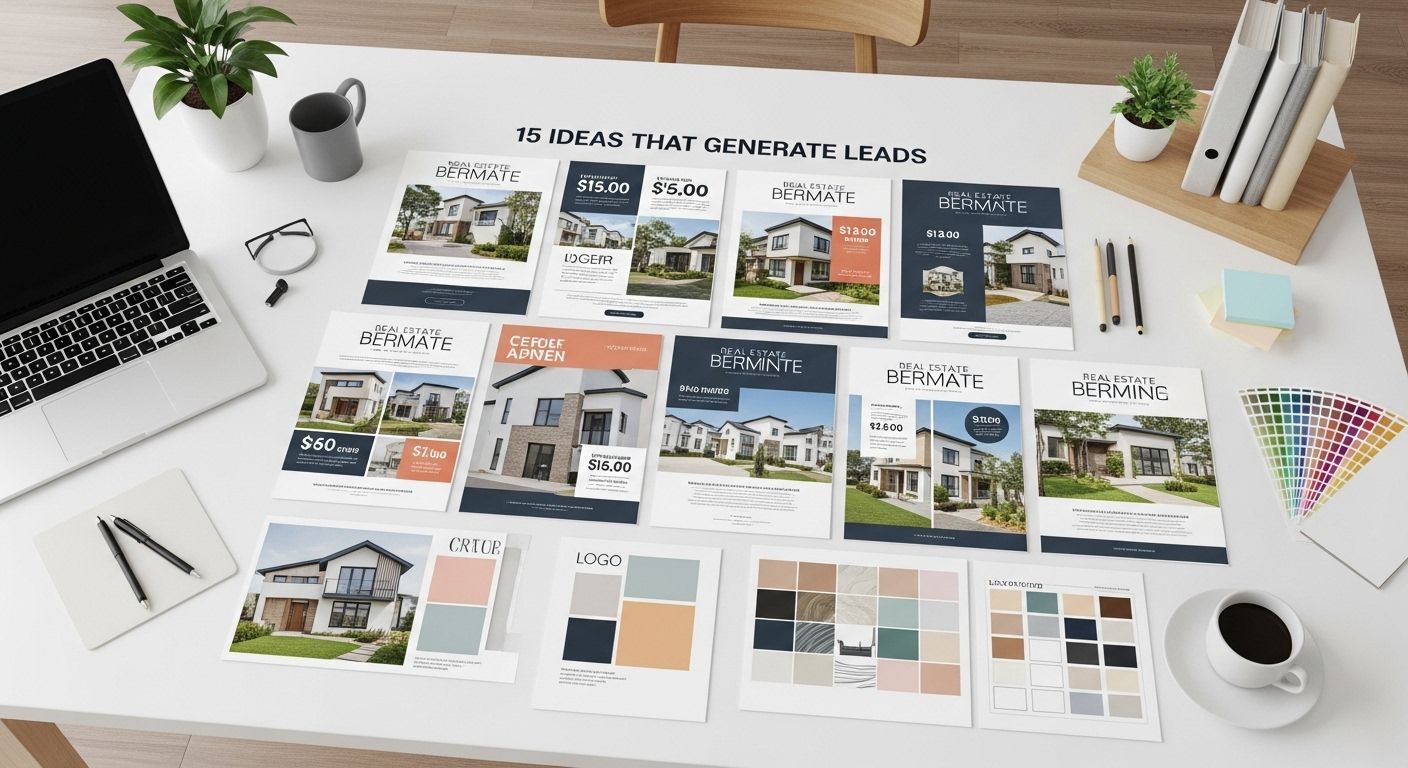
Create templates for common marketing materials: property brochures, website layouts, social media graphics, email newsletters, and print advertisements. These templates ensure visual consistency even when different team members create content.
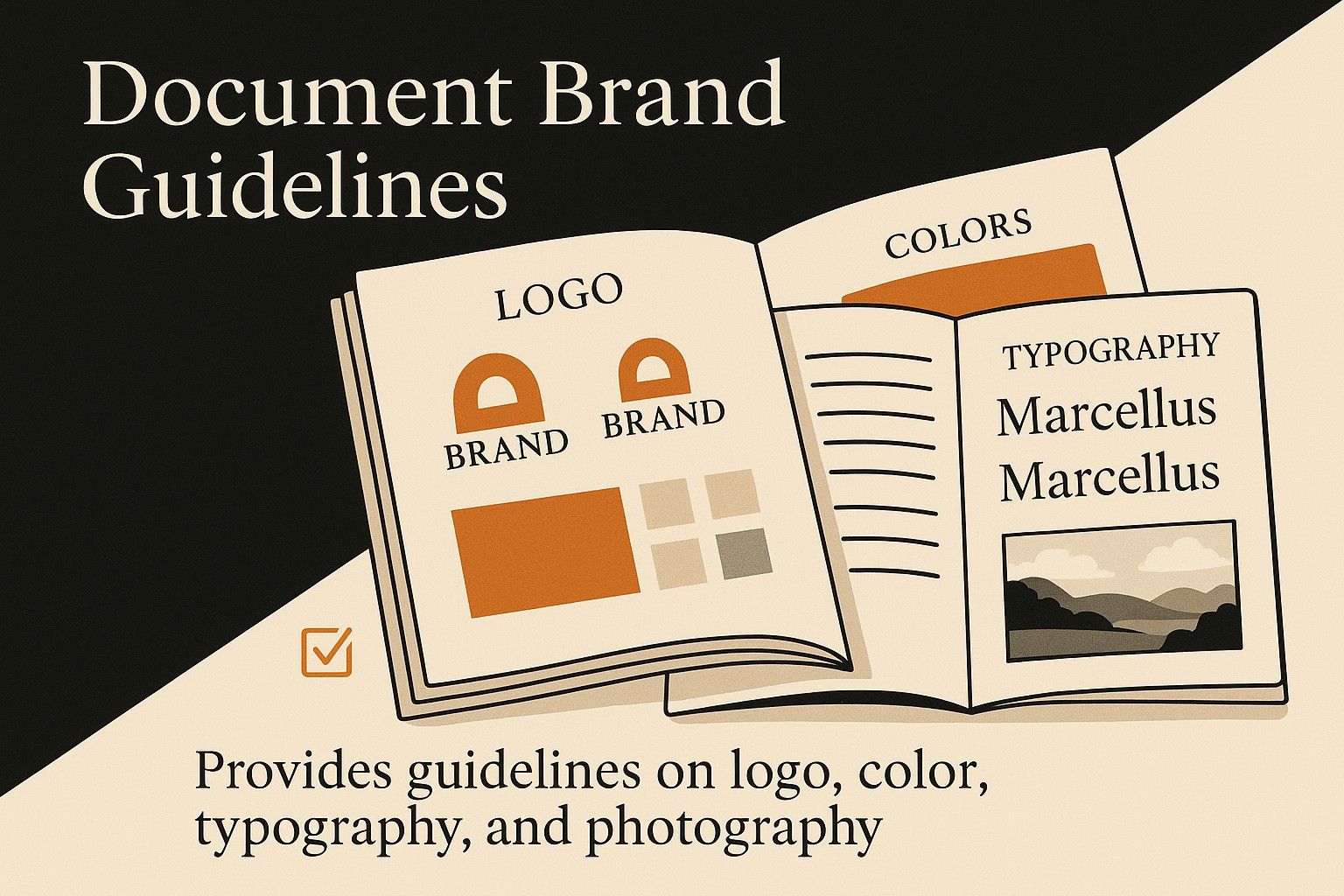
Document your brand guidelines in a style guide. This reference document shows exactly how to use your logo, which color combinations work, approved photography styles, and correct typography applications.
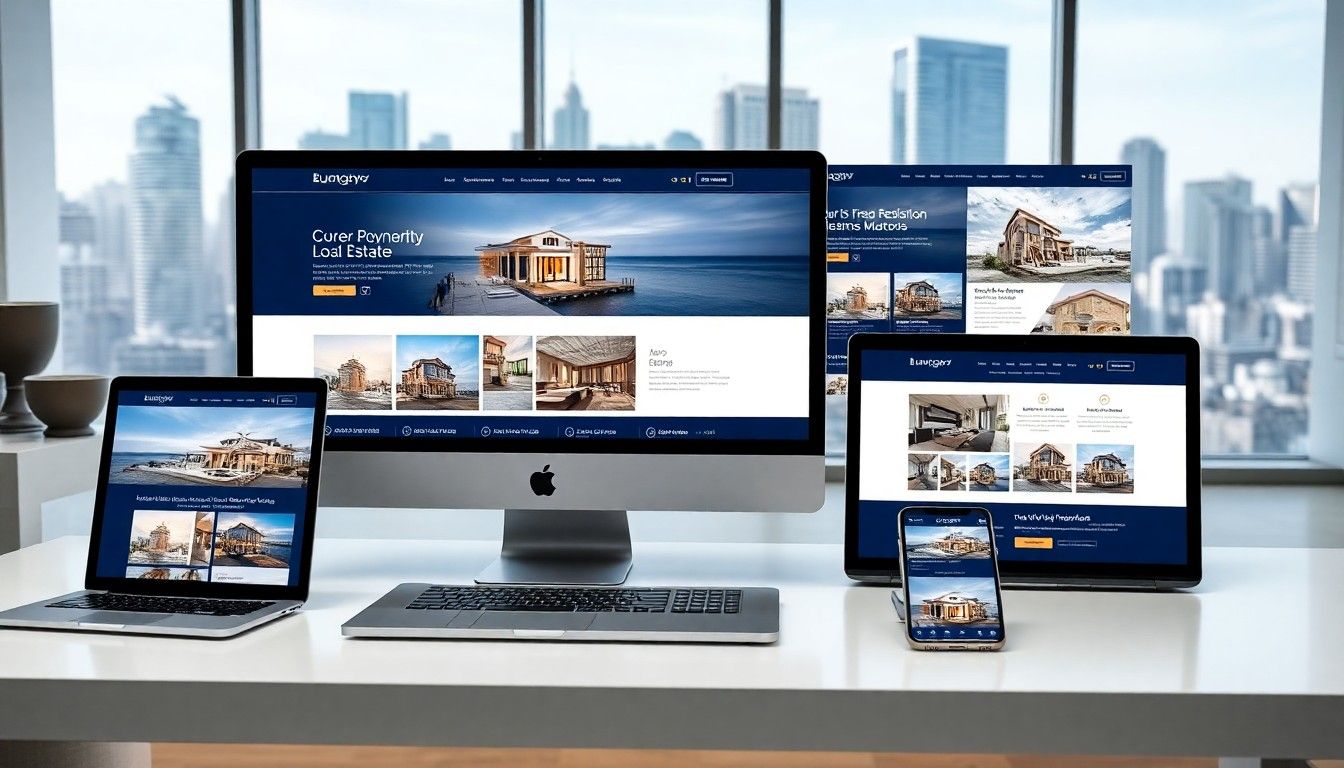
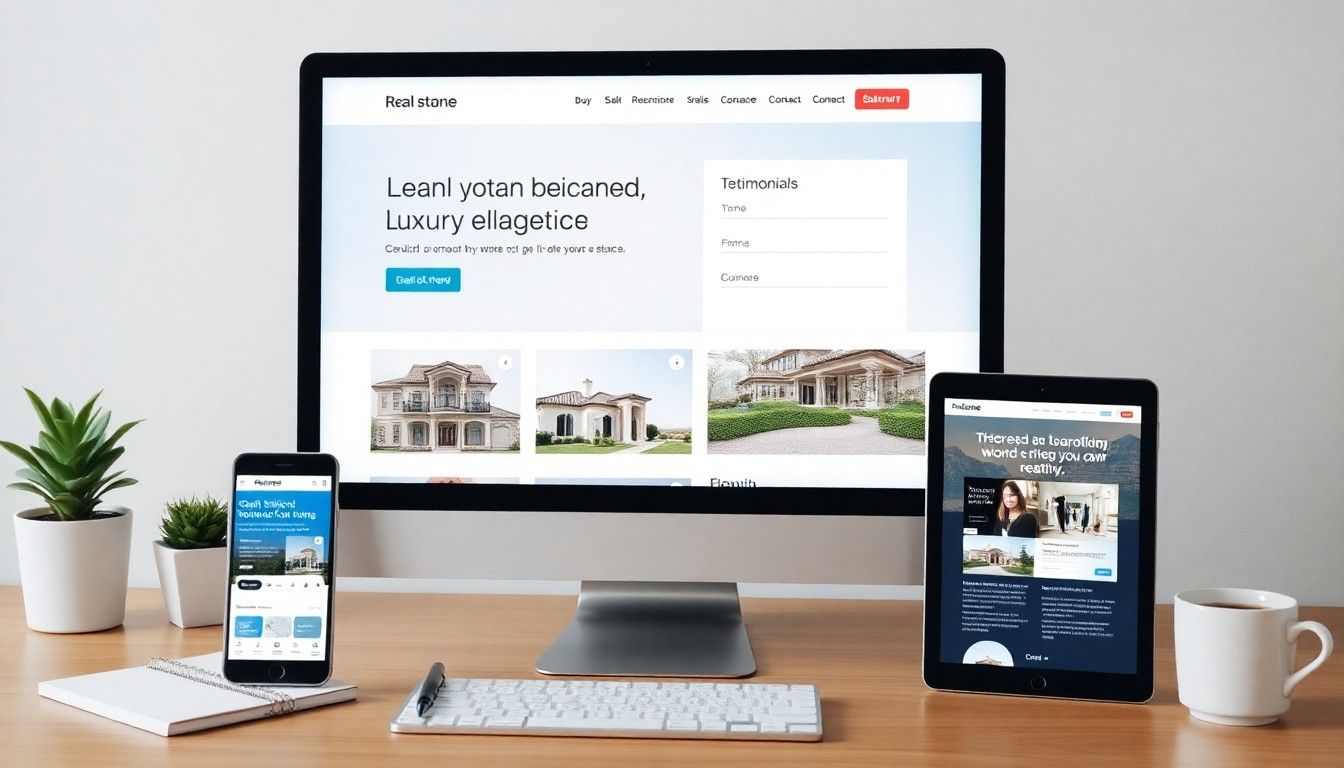
Digital applications require special attention. Your brand identity needs to work on desktop websites, mobile devices, social media platforms, and email clients. Test your visual identity across these formats.
Building Your Visual Identity: Logos, Colors, and Typography
Creating your visual identity starts with understanding what makes property development branding effective.
Your visual elements need to work across vastly different applications. The same logo appears on a business card and a 20-foot construction hoarding. Your color palette needs to look professional in print brochures and on digital screens.
Logo Design Considerations
Your property development logo should balance sophistication with versatility.
Start by deciding on a logo type. Wordmarks use stylized text of your company name. Logomarks are graphic symbols. Combination marks blend both approaches. For property developers, combination marks often work best because they build name recognition while creating a memorable visual symbol.
Keep your logo design relatively simple. Complex logos become illegible when scaled down or viewed from a distance. Test your logo at very small sizes (business card) and very large formats (construction signage).
Create variations for different uses. You'll need a full-color primary version, a single-color version for letterhead, and a reversed version for dark backgrounds. Design a horizontal layout and a stacked layout to fit different space constraints.
Color Palette Selection
Colors carry psychological associations that influence buyer perceptions.
Choose a primary brand color that reflects your market positioning. Blues convey trust and stability. Greens suggest sustainability and growth. Grays and blacks communicate luxury and sophistication. Warm tones like terracotta or gold feel welcoming and aspirational.
Add 2-3 supporting colors that complement your primary choice. Include a neutral color for backgrounds and body text. Define exact color specifications: Pantone numbers for print materials, CMYK values for offset printing, RGB values for digital use, and hex codes for websites.
Consider how your colors photograph. Your brand colors will appear in professional photography of completed developments. Choose colors that look good both in designed materials and in real-world architectural applications.
Typography System
Your font choices shape readability and brand personality.
Select a primary typeface for headlines and important text. This font should have strong personality while remaining readable at various sizes. Many property developers choose modern sans-serif fonts that feel contemporary and clean.
Pick a secondary typeface for body copy. This font needs excellent legibility in paragraph form. Body text fonts should be somewhat neutral, letting your headlines carry more personality.
Establish hierarchy rules. Define exact font sizes, weights, and spacing for different text elements: main headlines, subheadings, body text, captions, and callouts. This hierarchy guides anyone creating materials for your brand.
If you're working with a design agency like Dignuz Design for luxury brand website implementation, they'll help ensure your typography works perfectly across digital platforms.
Crafting Your Brand Voice and Messaging Strategy
Your brand voice determines how your property development company communicates with buyers, investors, and the broader market.
Think of brand voice as your company's personality expressed through words. Every piece of written content, from website copy to email responses, should sound like it comes from the same source.
Defining Your Brand Voice
Start by identifying 3-4 adjectives that describe how your brand should sound.
A luxury residential developer might choose: sophisticated, exclusive, aspirational, and welcoming. A family-oriented developer might select: warm, trustworthy, approachable, and community-focused. An urban mixed-use developer could go with: dynamic, modern, vibrant, and bold.
Create voice guidelines that show what your brand sounds like in practice. Write example sentences demonstrating your voice. Show what your brand would say versus what it wouldn't say.
Sophisticated
- In Practice: Use elevated but accessible language
- Example Phrase: "Refined living spaces designed for the discerning buyer"
Approachable
- In Practice: Write like you're talking to a friend
- Example Phrase: "We've designed these homes with your family in mind"
Bold
- In Practice: Make confident, declarative statements
- Example Phrase: "This development redefines urban living"
Technical
- In Practice: Include specific details and specifications
- Example Phrase: "Built with energy-efficient double-glazed windows and R-30 insulation"
Key Messaging Development
Your key messages are the core ideas you want buyers to remember about your developments.
Develop a positioning statement that captures what makes your property development company unique. This statement isn't necessarily public-facing, but it guides all your messaging decisions.
Create value propositions for different buyer segments. First-time homebuyers care about different features than downsizing retirees or property investors. Your messaging should speak to each group's specific priorities.
Build a messaging framework that addresses common buyer questions and concerns. What problems do your developments solve? What lifestyle benefits do you provide? Why should buyers choose your projects over competitors?
Storytelling in Property Development
Stories create emotional connections that facts and features alone cannot achieve.
Professional photography and video are important for capturing and sharing the brand's story, especially when highlighting community involvement or unique architectural features.
Share the vision behind each development. Why did you choose this location? What inspired the architectural design? How does this project improve the neighborhood? These origin stories help buyers connect emotionally with your projects.
Highlight the lifestyle your developments enable. Don't just list amenities. Paint pictures of weekend mornings in the community courtyard, evening walks to nearby restaurants, or family gatherings in spacious living areas.
If your developments incorporate thoughtful graphic design to showcase properties, explain how visual representation helps buyers envision their future in your spaces.
Identifying Your Target Audience in Real Estate
Your brand identity needs to resonate with specific buyer personas, not everyone in the market.
Property developers who try to appeal to all buyers end up connecting with none. Effective branding requires clear target audience definition.
Buyer Persona Development
Create detailed profiles of your ideal buyers.
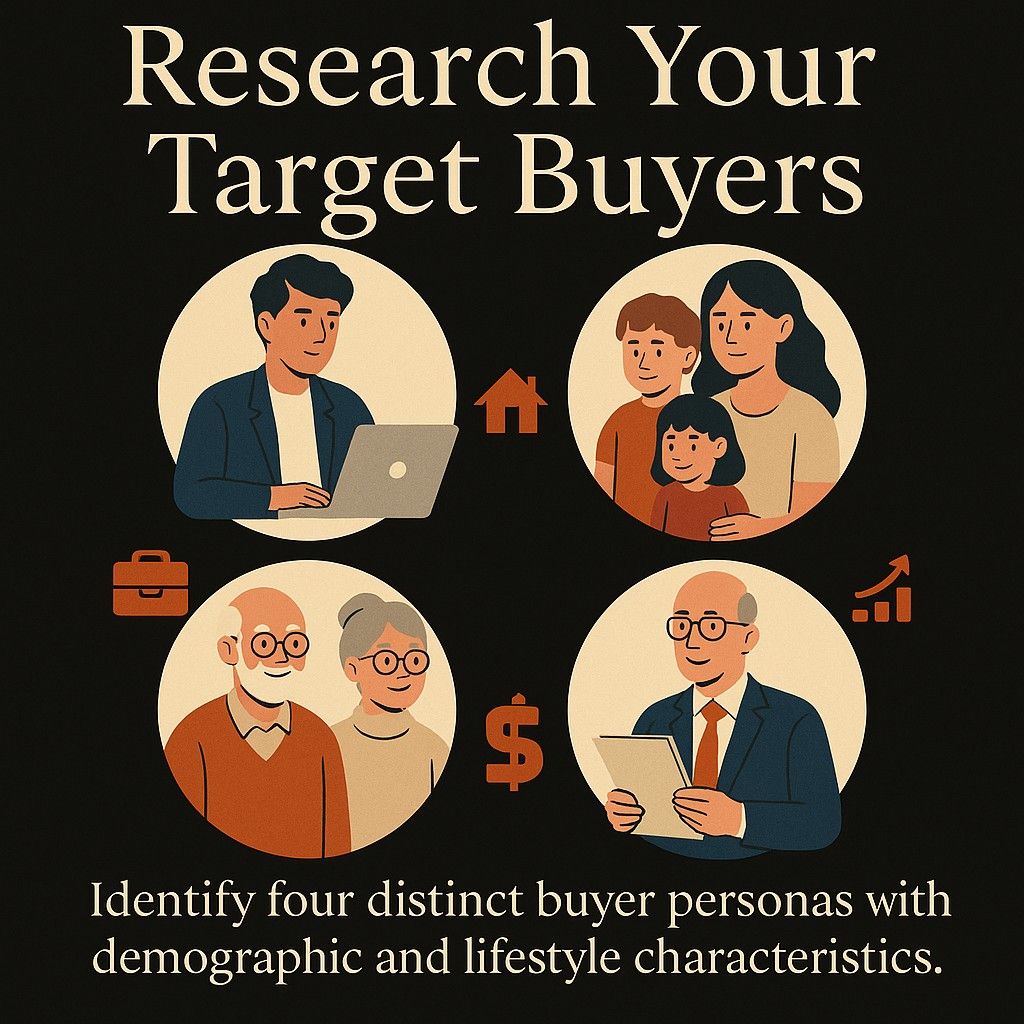
Build buyer personas with demographics, psychographics, and behaviors to align your brand.
Start with demographic information: age ranges, income levels, family status, and occupations. A luxury condo developer targets different demographics than a suburban family home builder.
Add psychographic details that explain motivations and values. What lifestyle aspirations drive your buyers? What concerns keep them up at night? What values influence their purchase decisions?
Include behavioral characteristics. How do your target buyers research properties? Do they prioritize location, price, amenities, or design? What stage of life are they in, and how does that affect their housing needs?
Young Professionals
- Key Characteristics: 25-35, urban location priority, tech-savvy
- Brand Appeal Strategy: Modern design, smart home features, lifestyle amenities
Growing Families
- Key Characteristics: 30-45, space and schools matter, stability-focused
- Brand Appeal Strategy: Community feel, safety features, long-term value
Downsizing Retirees
- Key Characteristics: 60+, seeking convenience, quality over quantity
- Brand Appeal Strategy: Maintenance-free living, accessibility, premium finishes
Property Investors
- Key Characteristics: Various ages, ROI-focused, multiple properties
- Brand Appeal Strategy: Investment potential, rental yields, capital growth
Aligning Brand Identity with Buyer Preferences
Your visual identity and messaging should directly appeal to your target audience preferences.
If you target young professionals, your brand identity might feature bold colors, modern typography, and energetic messaging about urban lifestyle. If you serve retirees, your branding likely uses more sophisticated neutrals, classic fonts, and messaging focused on comfort and convenience.
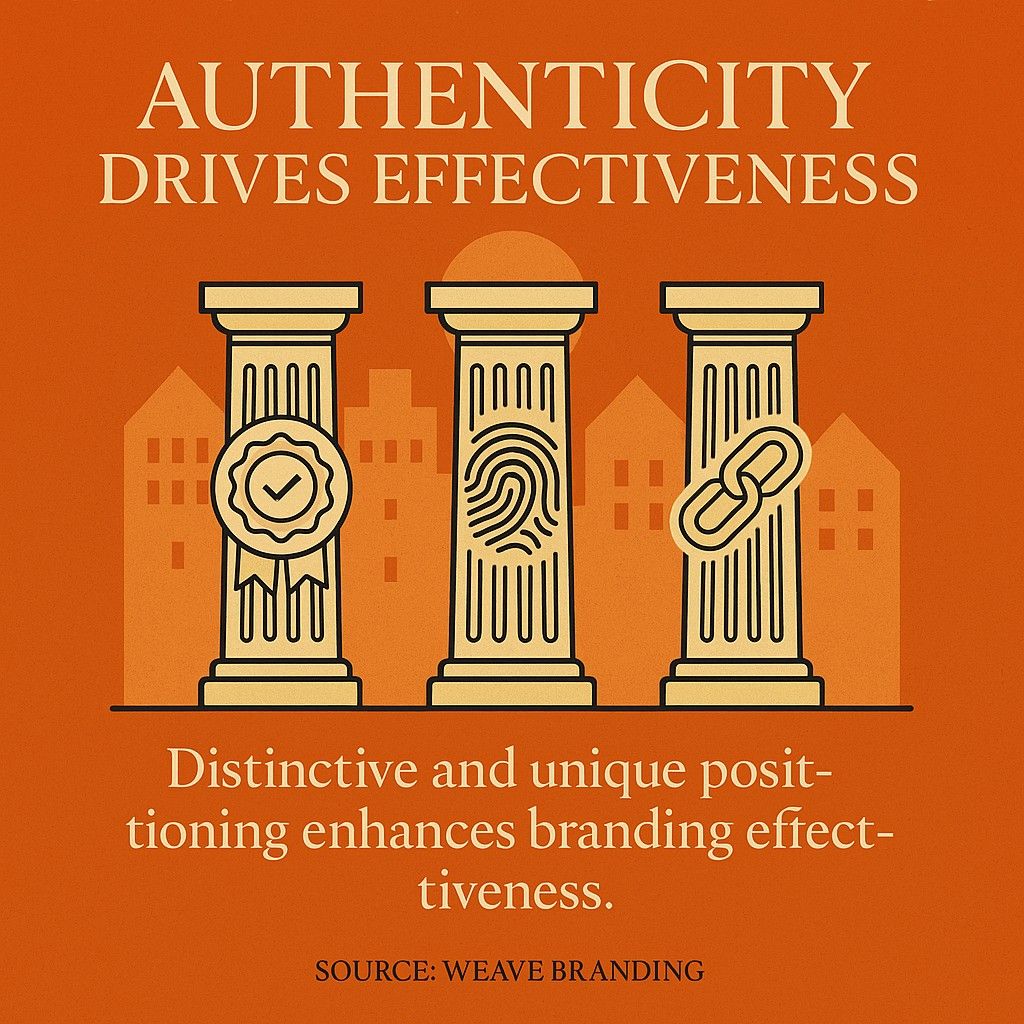
Effective property developer branding is characterized by authenticity, differentiation, and a clear connection to the development's unique selling points.
Authenticity, clear differentiation, and strong USPs make branding effective and memorable.
Test your brand identity with actual buyers from your target segments. Show them logo concepts, color palettes, and sample messaging. Their reactions tell you whether your brand identity connects as intended.
Geographic and Community Considerations
Your brand identity should reflect and respect the local context where you develop.
Community advocacy is a powerful brand positioning strategy; developers and agents who actively participate in local initiatives build trust and become recognized as integral community members.
Research the neighborhood's character, history, and culture. Does your area have architectural heritage you should reference? Are there local design traditions you could incorporate respectfully?
Consider how your developments contribute to the community. If you're creating public spaces, supporting local businesses, or preserving historical elements, make these community benefits part of your brand story.
For developers working on web design for real estate companies, ensure your digital presence reflects both your brand identity and local community connections.
Brand Consistency Across All Marketing Channels
Consistency transforms individual marketing pieces into a recognizable brand system.
Buyers encounter your brand across multiple touchpoints: driving past construction sites, browsing property websites, receiving email newsletters, seeing social media posts, picking up brochures, and visiting sales offices. Each touchpoint should reinforce the same brand identity.
Creating Brand Guidelines
Document your brand identity standards in a comprehensive style guide.
Comprehensive brand guidelines ensure consistent logos, colors, typography, and imagery.
Your brand guidelines should cover logo usage rules: minimum sizes, clear space requirements, approved color variations, and incorrect uses to avoid. Include visual examples showing proper and improper logo applications.
Define color specifications precisely. Provide Pantone numbers, CMYK values, RGB values, and hex codes for every brand color. Show approved color combinations and pairings to avoid.
Establish typography rules for all text applications. Specify which fonts to use where, at what sizes, with what spacing and alignment. Include guidelines for headlines, subheadings, body text, captions, and callouts.
Add photography and imagery guidelines. Define the style of photos that fit your brand: bright and airy versus moody and dramatic, lifestyle images versus architectural shots, color treatment preferences.
Digital Channel Implementation
Your brand identity needs careful adaptation for digital marketing materials.
Website design should feature your brand colors, typography, and visual style prominently. Create templates for different page types: property listings, about pages, blog posts, and contact forms. Ensure all templates maintain visual consistency.
Social media profiles require platform-specific formatting while maintaining brand recognition. Create profile images, cover photos, and post templates sized appropriately for Facebook, Instagram, LinkedIn, and other platforms you use.
Email marketing templates should immediately identify messages as coming from your brand. Design email headers, footers, and content layouts that match your overall visual identity.
For developers leveraging tools like AmplyViewer for luxury real estate visualization, ensure these immersive digital experiences align with your broader brand identity.
Print and Physical Applications
Physical marketing materials require different technical considerations than digital channels.
Property brochures represent major brand touchpoints. Design templates that showcase your visual identity while providing space for project-specific information and photography. Use high-quality paper stocks that reinforce your positioning: luxury developers need premium papers.
Business cards, letterhead, and signage all carry your brand into the physical world. Ensure these materials use correct logo versions, brand colors, and typography specifications.
Construction site signage and sales office design offer massive branding opportunities. Large-format applications need your logo designed to remain recognizable at scale. Sales offices should immerse visitors in your brand environment.
If you're developing commercial properties, you might also want to review website design for construction companies for complementary brand implementation strategies.
Real-World Property Branding Case Studies and Examples
Learning from successful property developer brand identity implementations helps inform your own strategy.
Let's examine how different developers approach brand identity to achieve specific market positioning goals.
Luxury Residential Development Branding
Luxury property developers use brand identity to justify premium pricing and attract affluent buyers.
High-end residential projects typically feature sophisticated color palettes: deep blues, rich neutrals, metallic accents like gold or bronze. Typography choices lean toward elegant serif fonts or refined sans-serifs with distinctive character.
These brands invest heavily in professional photography and video that showcase architectural details, premium finishes, and aspirational lifestyle imagery. Marketing materials use high-quality paper stocks, spot varnishes, and premium printing techniques.
The messaging focuses on exclusivity, craftsmanship, and lifestyle elevation. Words like "refined," "curated," "bespoke," and "distinguished" appear frequently. Storytelling emphasizes the development's unique features and the elevated lifestyle it enables.
Sustainable and Eco-Conscious Branding
Developers focused on sustainability build brand identities that communicate environmental responsibility.
Visual identity often incorporates earth tones, natural greens, and organic textures. Logos might reference natural forms like leaves, water, or geometric patterns inspired by nature. Typography choices tend toward clean, modern fonts that suggest forward-thinking design.
Marketing materials frequently use recycled papers and environmentally friendly printing processes, reinforcing the sustainability message through material choices themselves.
Messaging emphasizes energy efficiency, environmental impact reduction, healthy living spaces, and community benefits. These brands tell stories about green building certifications, innovative sustainable technologies, and long-term environmental stewardship.
Consistent, visible community involvement, documented and shared through professional media, significantly enhances brand perception and recall among potential buyers and residents.
Urban Mixed-Use Development Identity
Mixed-use developers create brand identities that communicate vibrancy, convenience, and community integration.
These brands often use bold, energetic color palettes and contemporary typography. Visual identity might incorporate urban photography, street art influences, or geometric patterns suggesting city dynamism.
The brand voice tends toward energetic and inclusive. Messaging emphasizes location benefits, walkability, diverse amenities, and the live-work-play lifestyle these developments enable.
Marketing materials showcase the surrounding neighborhood context, local businesses, and community activities alongside the development itself. The brand identity positions the project as an integral part of urban fabric rather than a separate entity.
For comprehensive strategies on real estate development marketing, including brand implementation across channels, explore proven frameworks that connect brand vision to measurable results.
Implementing Your Property Developer Brand Identity
Creating your brand identity is just the beginning. Implementation determines whether your brand succeeds.
Start with a phased rollout approach rather than trying to implement everything simultaneously.
Phase One: Core Brand Assets
Begin by developing your fundamental brand identity elements.
Work with designers to create your logo system, color palette, and typography selections. Develop 2-3 logo variations that work across different applications. Document exact color specifications and font choices.
Create your initial brand guidelines document. This doesn't need to be exhaustive at first, but it should clearly define logo usage, color applications, and typography rules.
Design templates for your most important marketing materials first. Prioritize the touchpoints that reach the most buyers: website design, property brochures, and social media profiles.
Phase Two: Marketing Material Development
Expand your brand identity implementation across all marketing channels.
Design and build your property development website using your established visual identity. Ensure the site works beautifully on mobile devices since many buyers browse properties on phones.
Create templates for ongoing marketing needs: email newsletters, social media post formats, presentation decks, and advertising layouts. Having templates ready ensures consistent branding even when you're moving quickly.
Develop print materials following your brand guidelines: business cards, letterhead, property brochures, and signage designs. Order initial print runs of your most-used items.
For developers looking to showcase properties effectively, consider how real estate banner design can extend your brand identity into digital advertising.
Phase Three: Team Training and Rollout
Your team needs to understand and correctly implement your brand identity.
Conduct brand training sessions for everyone who creates or approves marketing materials. Walk through your brand guidelines, explain the reasoning behind design choices, and show correct and incorrect applications.
Establish approval processes for new marketing materials. Designate someone (internal or external) to review materials before publication, ensuring they align with brand guidelines.
Create a brand asset library where team members can access logos, fonts, color codes, templates, and approved photography. This central repository prevents people from using outdated or incorrect brand assets.
Set up regular brand audits. Review your marketing materials quarterly to ensure brand consistency is maintained as your team creates new content.
If you're partnering with specialists for digital implementation, ensure they understand your complete brand system. Agencies like those working with architects and developers should seamlessly integrate your brand identity into all digital touchpoints.
Measuring Brand Identity Effectiveness
Track specific metrics to understand whether your brand identity drives business results.
Brand awareness indicates how many potential buyers recognize your developments. Survey buyers at your sales office about how they heard about your project. Track direct website traffic versus search traffic. Monitor social media follower growth.
Brand recall measures whether buyers remember your projects when considering options. Include questions about competitor awareness in your buyer surveys. Higher recall means your brand identity is making a stronger impression.
Consider sales metrics alongside brand metrics. Do projects with stronger brand identity implementation sell faster or command higher prices? Compare sales performance across projects to identify correlations.
Monitor digital engagement as a proxy for brand interest. Track website time on site, pages per session, and conversion rates on inquiry forms. Review social media engagement rates on branded content versus generic posts.
Gather qualitative feedback directly from buyers. Ask what made your brand memorable. Request feedback on marketing materials. This direct input reveals how your brand identity actually lands with your target audience.
Your property developer brand identity should evolve based on these insights. Refine elements that aren't connecting. Double down on aspects that resonate strongly with buyers.