Real Estate 3D Model Creation: What Actually Sells Property
The phrase "3D model creation for real estate" hides a problem. Most of the people who pay for one do not actually want a 3D model. They want a deliverable - a hero image for the brochure, a walkthrough for the website, a viewer that lets a buyer click around an unfinished apartment from their phone. The 3D model is the upstream artefact that makes those deliverables possible. Confuse the two and you end up paying for a beautiful model that produces mediocre marketing, or paying for cheap deliverables on a model that is too rough to scale beyond the first render.
I run two studios that sit on opposite sides of this problem. DignuzDesign builds custom websites for property developers, architects, and estate agents, which is where the 3D outputs end up being deployed in front of real buyers. Faraday3D produces the renders, walkthroughs, and virtual tours that go on those sites. Between the two, I see both ends of the chain in the same project. I see how the buyer behaves on the page after the model is done, and I see what the production decisions cost three weeks earlier. This article is the version of the 3D model creation conversation I wish more clients had with me at the start, before the budget is spent on the wrong output.
What "3D Model Creation" Actually Means in Property Marketing
In any property project, a single base 3D model can be repurposed into multiple deliverables, and that is where most of the leverage and most of the waste happens. The model itself is a digital reconstruction of the property - geometry, materials, lighting setup - sitting inside software like Blender, 3ds Max, or Unreal Engine. The marketing artefacts are produced from that model, and each artefact answers a different buyer question.
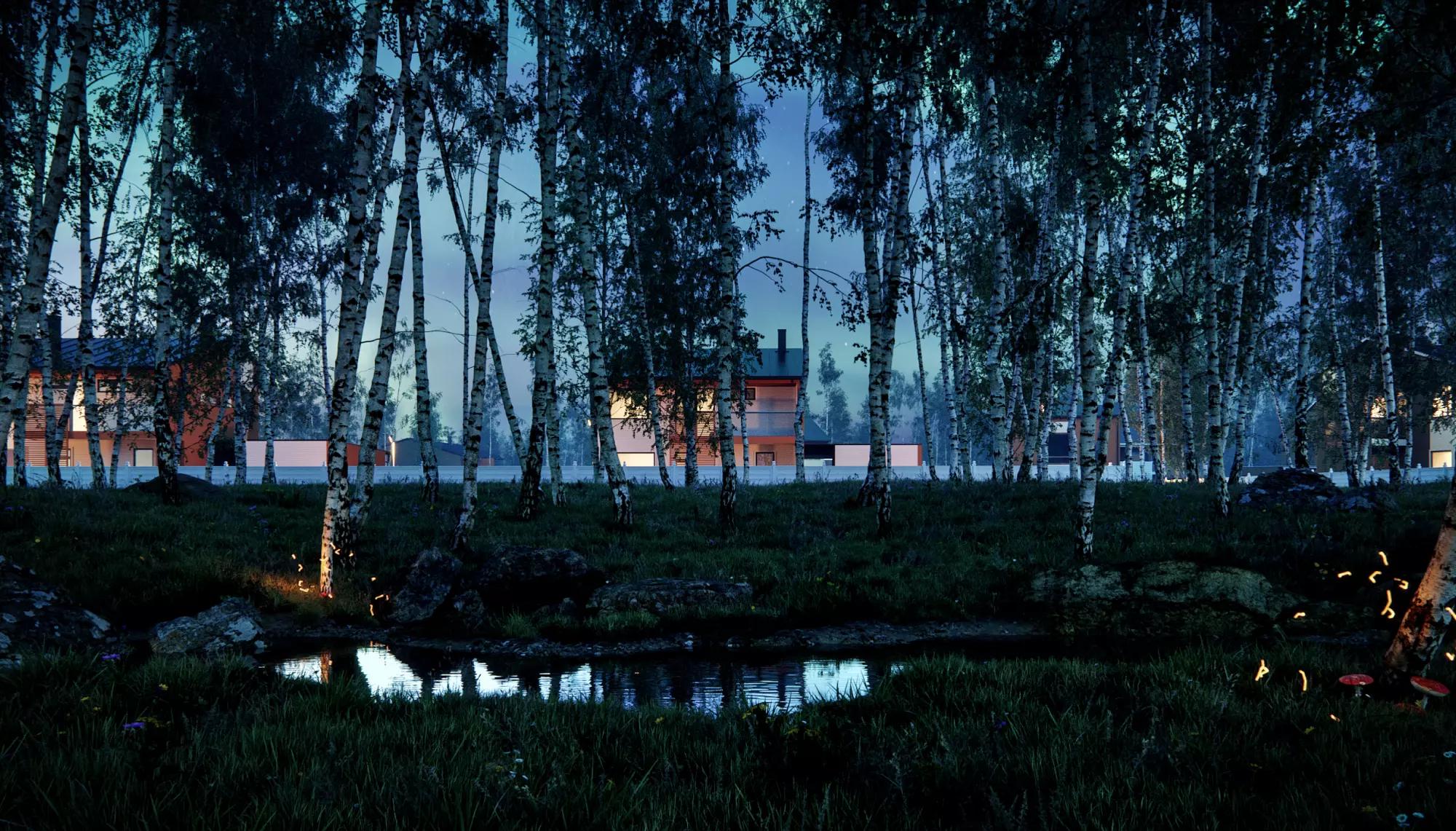
Still renders answer "what does this look like." They are the cheapest output per asset and the easiest to deploy on any channel from a brochure to an Instagram carousel. They are also the format most likely to be commissioned generically, because every developer thinks they need ten hero renders without thinking about which view actually closes a sale.
Animated flythroughs and pre-rendered walkthroughs answer "what does it feel like to move through this." They are more expensive per second of output and far harder to revise late in a project, because a single material change can mean re-rendering the entire sequence. The cost ratio between a still and a thirty-second flythrough is rarely the ten-to-one most clients assume. It is closer to twenty-to-one when the lighting is complex.
Virtual staging is a specific subset of still rendering applied to an existing space, usually with photographic compositing rather than a full 3D rebuild. It is fast, cheap, and useful for empty or tired interiors, but it cannot answer questions the photograph itself did not capture. If the angle is wrong or the original light is flat, virtual staging cannot rescue the listing.
Interactive 3D viewers and virtual tours answer "let me explore this on my own terms." This is where the conversation has shifted in the last few years, and it is where most of the marketing impact actually sits for off-plan and pre-construction projects. The buyer is no longer consuming a render the developer chose. The buyer is moving through the space, switching finishes, comparing units, and self-qualifying before any human is involved. The piece on interactive ways to showcase properties covers the formats in more depth.
The decision that should drive a 3D creation brief is not "what software should we use." It is which of these four output types the buyer in this specific deal actually needs in order to make their next decision. Get that right and the production choices fall out naturally. Get that wrong and you will commission a beautiful product that no one uses.
Where 3D Actually Changes the Outcome
It is worth being honest about where 3D modelling earns its place and where it is decoration. The buyer research from the National Association of Realtors' 2025 Generational Trends Report shows that 41 percent of buyers rate virtual tours as "very useful" during their search, while only around 16 percent of listings actually include one. That gap between buyer demand and listing supply is the strongest practical argument for investing in 3D - in a category where buyers actively want the format, supplying it puts you in a small minority of listings. The same NAR research finds that traditional listing photos remain the single most-used feature, which means the question is not whether 3D replaces photography, but whether it adds genuine value on top of it.
The Zillow 2025 Consumer Housing Trends Report for Agents sharpens the same picture from the seller's side. Their data shows 72 percent of sellers say they are more likely to hire an agent who offers virtual tours and interactive floor plans, and 62 percent of buyers say they want more immersive 3D tours to be available. The 3D investment is therefore working twice. It is a tool the listing buyer can use, and it is also a hiring signal that future sellers see when they are deciding which agent to instruct. The second effect is often larger than the first, and it is the one most developers and agents underestimate when they look only at engagement on a single listing.
The category where 3D modelling does the heaviest lifting is off-plan and pre-construction sales, because there is no physical property to walk through. The buyer cannot evaluate the unit any other way. Industry observers covering the off-plan market consistently note that visualisation quality is correlated with pre-sales conversion, and we see the same pattern in our own developer projects through Faraday3D. The interactive viewer or the high-end render is not a marketing accessory in those deals. It is the product the buyer is buying, because the apartment itself does not yet exist. That is why our internal product AmplyViewer was designed specifically for that market, and why the article on immersive 3D real estate experiences and sales goes deeper into the off-plan dynamics specifically.
On a standard resale listing in a normal market, the picture is much less dramatic. A 3D walkthrough on a three-bedroom semi will not double its sale price. What it will do is keep serious buyers on the listing for longer, filter out time-wasters who would have viewed and walked away, and signal to the next seller that the agent uses tools other agents in the area do not. That is a real but modest benefit, and the spend should match it.
The Choice That Decides Everything: Static, Animated, or Interactive
The biggest single decision in a 3D creation brief is not the software or even the studio. It is which output format the asset is going to live as. This decision controls cost, timeline, channel fit, and how the model itself needs to be built. The same base geometry, lit and detailed for a single hero render, is not necessarily fit for purpose in an interactive viewer that has to run on a mid-range phone.
Static renders are the right answer when the asset is going onto channels where you have one shot to make an impression - the cover of a brochure, the lead image on Rightmove, a print ad, a single hero slot on the homepage. The brief here is to compose the frame deliberately. The most expensive mistake on still renders is to commission ten of them at the same quality level, when one carefully art-directed exterior and two interior views would actually do more marketing work. The piece on real estate 3D rendering services goes into how the commissioning conversation should be structured.
Pre-rendered animated walkthroughs are the right answer when the property has a spatial story that a still image cannot tell - a flowing open-plan ground floor, a dramatic sequence of arrival from the entrance through to a view, or a multi-storey staircase that is the centrepiece of the design. The cost discipline on animations is to keep them short. A thirty-second sequence with two or three considered camera moves does more for a buyer than a ninety-second tour that meanders through every cupboard. Long animations also fail on social media, where the buyer is gone in eight seconds.
Interactive 3D viewers are the right answer when the buyer's journey is exploratory and the property has options - multiple floor plans in a development, configurable finishes, different views from different units, or a phasing complex enough that a fixed sequence of frames cannot do it justice. Interactive viewers are also the right answer when you want the same asset to do work across the whole campaign rather than burning out after the launch. A render lives once. An interactive viewer keeps converting visitors for the life of the project.
The fourth category - 360-degree virtual tours captured from physical reality with cameras like Matterport - is a different beast, because it is photography in three dimensions rather than 3D modelling in the strict sense. It is useful for existing properties where you want a fast, accurate scan. It is not a substitute for a real 3D model when the property does not yet physically exist.
Most projects benefit from a combination rather than a single format. The trick is to design the combination around the buyer's decision path, not the studio's preferred deliverable. A developer launching a fifty-unit scheme might need three hero exterior stills for the print campaign, one short flythrough for the launch event, and an interactive viewer that handles the unit selection and finishes for the next eighteen months of sales. That combination uses each format for what it does best.
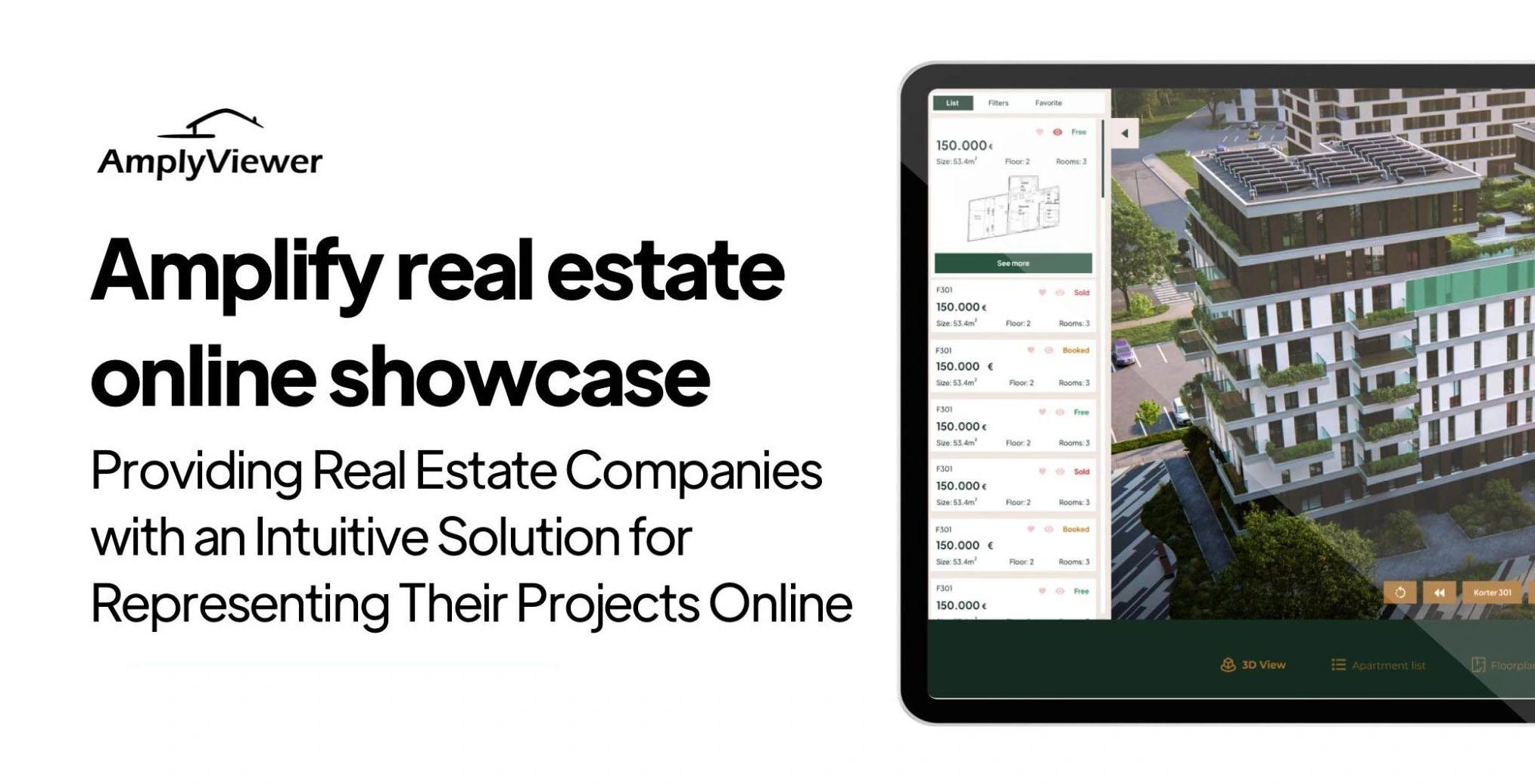
💻 Let us help you create a stunning online showcase for your projects that works seamlessly across all devices. Ready to amplify your real estate business? 👉 Explore AmplyViewer now
How a Property 3D Model Actually Gets Made
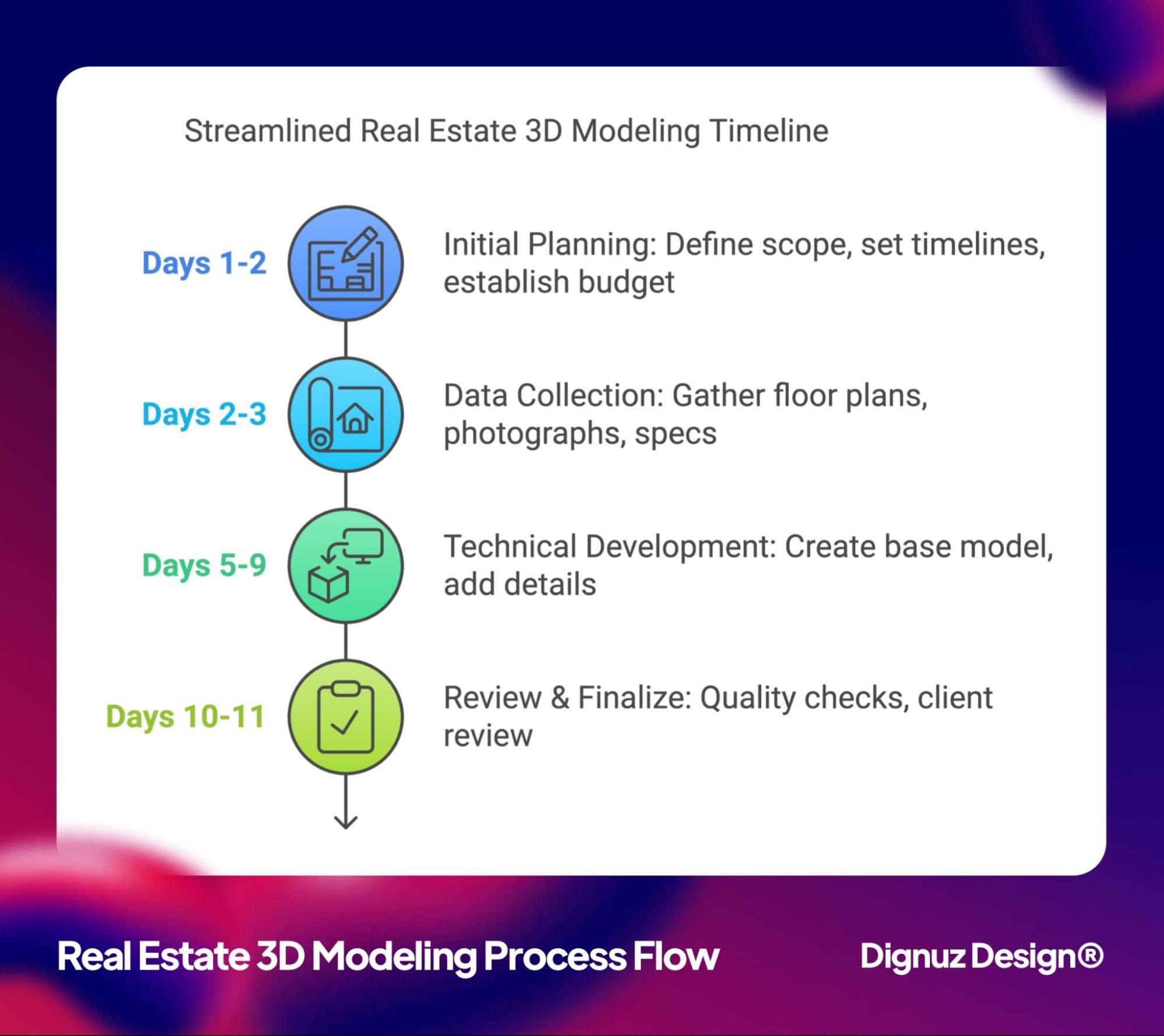
The technical workflow inside a 3D studio is less mysterious than most articles make it sound, but the realistic version is also less linear than the textbook one. The clean five-step sequence that AI-generated content keeps reproducing - planning, modelling, texturing, rendering, review - is the skeleton, not the meat. The meat is what happens between those steps when the inputs are bad, the deadline moves, or the client changes their mind about a finish.
The work begins with reference material. For an existing property, that is site photographs, floor plans, and a survey. For an off-plan project, it is the architect's drawings, the materials schedule, and ideally a conversation with the architect themselves. The single most underrated factor in 3D quality is the quality of these inputs. A studio working from a partial PDF and a verbal description will produce something that looks plausible but contains the kinds of small inaccuracies that buyers and architects notice immediately. The piece on choosing the best 3D rendering company covers what to look for in a studio's intake process specifically, because that intake is where most quality is won or lost.
Base geometry construction is the part the studio actually controls fully. The structure is built to the dimensions of the drawings, openings are cut, walls and slabs are placed. For an interactive viewer, this stage matters more than for a single render, because the geometry has to be efficient enough to run in real time on consumer devices. A model built for a print-quality still is often too heavy to repurpose for the web without significant rework.
Texturing and material assignment is where the property starts to feel real. The choice of timber, stone, render, and metal finishes has to match either the actual specification or the marketing intent. This is the stage where the architect and the client need to be involved closely, because a wrong material choice that survives to the final render undermines trust in everything else. Lighting is set in parallel - daylight studies, interior lamps, the time of day each shot is meant to represent.
The first round of rendering is where things go wrong in practice. The studio outputs draft frames at lower quality so the client can review composition, framing, and material accuracy before the final, expensive renders are committed. The clients who treat this round seriously save a great deal of money. The clients who rubber-stamp the drafts and then ask for changes after the finals are produced end up paying for two rendering passes. This is the single most common cost overrun in 3D projects, and it is preventable.
Final rendering, post-production, and delivery wrap the project. For interactive deliverables, there is an additional stage of integrating the model into a viewer or game engine, optimising textures and geometry for runtime performance, and testing on the devices the buyer will actually use. That last part is the step most studios skip and most clients never check, which is why so many web-based 3D viewers run beautifully on the agency's MacBook and stutter on an actual customer phone.
Cost: What the Numbers Actually Look Like in Practice
Most articles about 3D model costs give precise-looking ranges per image. They are not wrong in the sense that those numbers exist somewhere on a price list. They are misleading in the sense that any single project price depends on factors those tables ignore: the quality tier the studio operates in, the complexity of the property, the number of usable inputs the client provides, how many revision rounds are baked in, and whether the deliverable is for print, web, or interactive use.
A useful way to think about cost is in tiers rather than per-asset prices. At the entry tier you find studios producing serviceable hero images for property listings - the kind of work that fits a typical agent budget and looks fine at thumbnail size on a portal. At the mid tier, you get developer-grade work suitable for a launch campaign, with proper art direction, location matching, and revisions included. At the top tier, you get the kind of architectural visualisation that wins awards and ends up on the architect's portfolio - this is where the day rates of senior 3D artists drive the cost rather than the asset count.
Interactive deliverables work on a different cost model entirely. A traditional render is a fixed cost per asset. An interactive viewer is a fixed cost for the build, plus ongoing cost for hosting and any future updates as the project evolves. For a single property the math can look unfavourable. For a development where the same viewer is used across an eighteen-month sales campaign, the per-buyer cost of an interactive viewer is often lower than the equivalent investment in static renders, because the viewer is doing work continuously while the renders did their job once.
The ROI question is more honest when it is asked at the project level rather than per asset. A pre-construction development that books a third of its units off the back of a strong launch render and viewer combination has paid for the entire 3D budget many times over. A mid-market resale agent commissioning a 3D walkthrough for every listing is likely overspending, because the buyer behaviour on those listings does not justify the per-listing cost. The right test is not "did the render look good." It is "did this output move buyers further down the funnel than the cheaper alternative would have." If you cannot answer that question, you are paying for art rather than marketing.
Where the Model Lives: The Deployment Mistake That Wastes the Budget
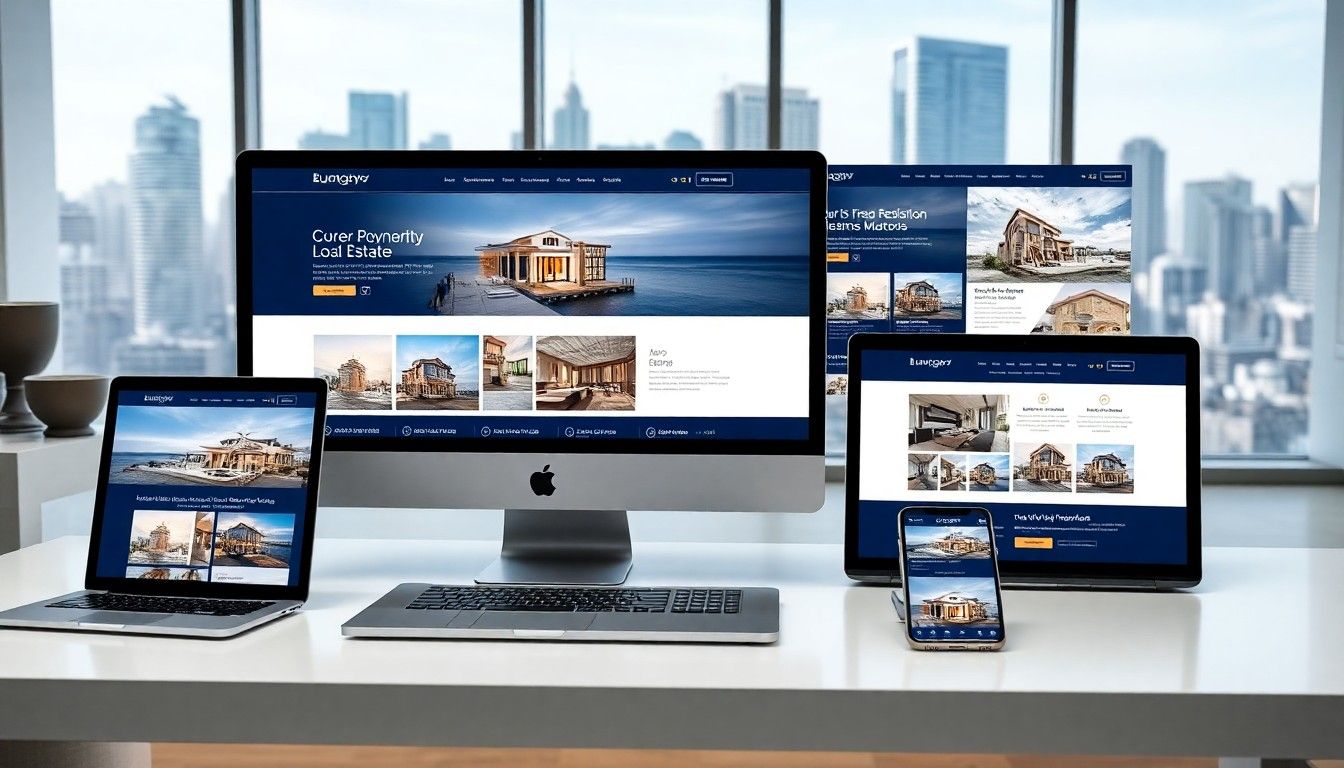
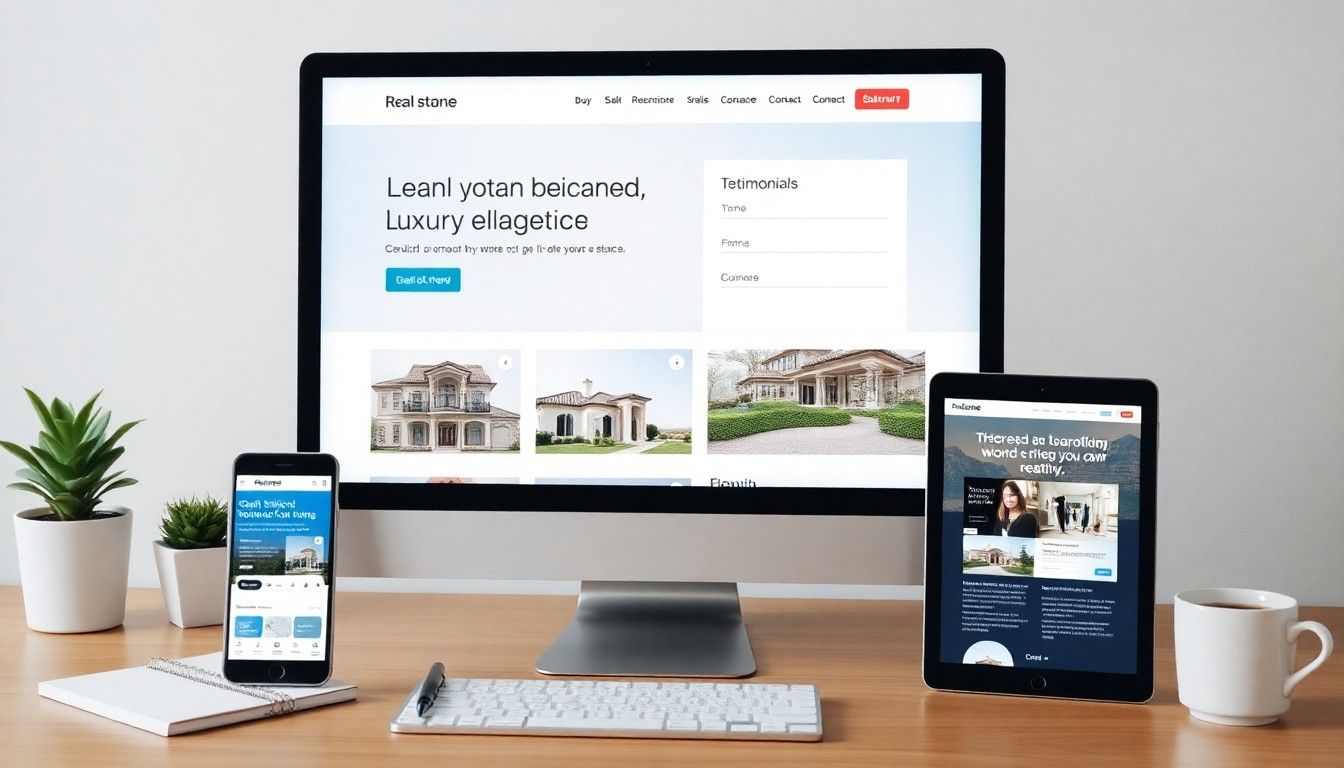
The most expensive mistake in 3D model creation is not made inside the 3D studio. It is made on the website that hosts the output. I see this constantly in the developer projects we build at DignuzDesign. A client spends a serious budget on renders or an interactive viewer, hands the assets to their existing web team, and watches the marketing impact get diluted by a slow, poorly built site that buries the 3D output below the fold and serves it as a heavy file with no preloading or optimisation.
The technical realities here are not optional. An interactive 3D viewer that takes twelve seconds to load on a mobile connection is functionally invisible to most buyers, who will leave before it appears. A flythrough video served as a 200MB raw file rather than a properly encoded streaming format will buffer on anything but a fast desktop connection. A high-resolution exterior render uploaded at print quality without web-optimised variants will slow the entire page load. These are not exotic problems. They are the default state of most property websites I am asked to audit. The piece on real estate website speed optimization covers the specifics, and the piece on Jamstack for property developer websites covers the underlying architecture for sites that actually need to deliver heavy media at speed.
The placement question matters as much as the performance question. A render that appears halfway down a long scroll, after a generic hero block and three paragraphs of marketing copy, is doing far less work than the same render placed above the fold with the call to action immediately beside it. The 3D investment should drive page structure, not be retrofitted into an existing template. The article on property listing design best practices gets into the layout decisions in detail.
The Mistakes That Quietly Drain the 3D Budget
A few patterns turn up repeatedly in projects where the 3D spend has not paid off. They are worth naming because they are easy to spot before the brief is signed.
- Commissioning by quantity rather than by purpose: a brief that asks for "ten hero renders" with no specification of where each will be deployed almost always produces ten averagely-art-directed images instead of three excellent ones. The conversation that produces good work starts with the channel and the buyer question, not the asset count.
- Skipping the architect conversation: studios producing renders without direct contact with the architect of the project end up making small but cumulative material and proportion errors. These errors are obvious to the buyer's eye even when they cannot articulate what is wrong, and they undermine trust in the listing.
- Mixing photoreal and stylised in the same project: an exterior render in full photoreal quality next to an interior render in a flatter, more diagrammatic style reads as inconsistent and amateurish. The visual language has to be set at the start and held across the campaign.
- Treating the 3D output as the deliverable: the deliverable is a buyer making a decision. A beautifully produced render sitting on a slow, badly structured website has not done its job. The 3D investment and the web build are part of the same project and should be commissioned with each other in mind.
- Ignoring mobile rendering entirely: most property browsing now happens on phones, and interactive 3D content that has only been tested on the studio's desktop is going to fail in the hands of the buyer. The QA pass on consumer devices is not optional.
Each of these is preventable at the briefing stage. None of them is technical. They are all decisions about how seriously the client wants to treat the work, and they are the gap between a 3D budget that pays back and one that does not.
The Future is Already Here, and It is Less Dramatic Than You Think
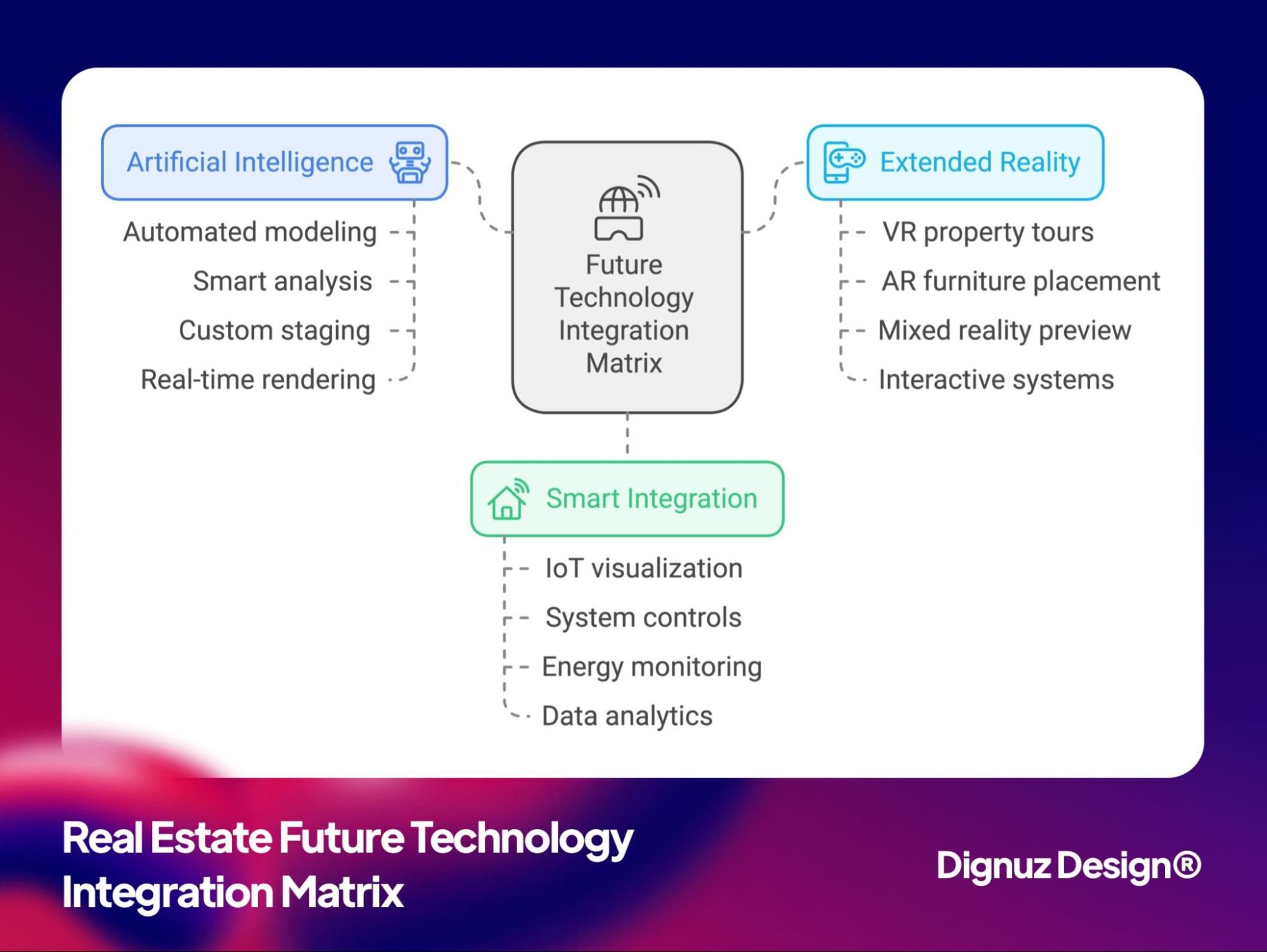
Articles about 3D modelling in real estate love to promise an imminent revolution involving artificial intelligence, virtual reality headsets, and blockchain-secured property tokens. The honest version is that the most important shift has already happened, and it is much less futuristic. The shift is that interactive 3D has moved from being a desktop-only novelty to a format that runs reliably in a phone browser. That single technical change is what has made interactive viewers practical for mass-market property marketing, and it is the foundation everything else in the next few years will build on.
The AI-generated 3D model is not yet a useful tool for serious property marketing. It can produce something plausible at the concept stage, but the precision required for an off-plan unit that buyers are committing real money to is still beyond what fully automated tools deliver. What AI does well now is accelerate parts of the artist's workflow - texture generation, scene cleanup, lighting suggestions. That changes the studio's cost structure incrementally rather than replacing the work entirely. The piece on 2D vs 3D design covers where the line currently sits between traditional and emerging visualisation approaches.
Virtual reality headsets remain an edge case for luxury developments where the buyer can be brought into a sales suite physically. Outside of that context, they are a curiosity rather than a marketing channel. The buyer in a normal property search is not going to put on a headset to evaluate a listing. They are going to scroll on their phone.
The trend worth taking seriously is the one already in front of us: the rising buyer expectation that they should be able to explore a property in 3D before they ever speak to anyone, and the rising willingness of sellers to choose agents and developers who offer it. The investment in 3D model creation is, at this point, less about being ahead of the curve and more about not falling behind it.
Frequently Asked Questions
How much does it cost to create a 3D model of a property?
The honest answer is that any specific price quoted in a blog post is misleading without the brief attached to it. A simple hero exterior render from a mid-tier studio is a different product to a full interactive viewer with configurable finishes for a fifty-unit development, and they sit at different orders of magnitude. The useful question to ask a studio is not "what is the price per render" but "what does the price include in terms of revisions, input quality, and deliverable rights." The cost surprises in 3D projects almost always come from those line items rather than the headline price.
How long does it take to create a 3D model for real estate?
For a single still render with clean inputs, two to three weeks is realistic for studio-grade work, including revision rounds. A short animated flythrough takes longer because the rendering itself takes longer. A full interactive viewer for a development is a multi-month build, because the model has to be optimised for runtime, the configurator logic has to be designed, and the result has to be tested across devices. Anyone promising a finished 3D model in a few days is producing something closer to a draft than a marketing-grade asset.
Do I need a 3D model or just a virtual tour from photographs?
If the property already exists and the goal is to give remote buyers a feel for the space, a 360-degree photographic tour captured with a Matterport-style camera is faster and cheaper than commissioning a 3D model. If the property does not yet exist, or you need to show alternative finishes and configurations the buyer can switch between, a true 3D model is the only option. The two formats are not interchangeable, and choosing the wrong one is a common waste of budget.
What software is used for real estate 3D modelling?
Most studios working at developer-grade quality use a combination - 3ds Max or Blender for modelling, V-Ray or Corona for rendering, Unreal Engine or a custom web stack for interactive output. The specific software matters less than the studio's craft level. A skilled team using free software produces better work than a mediocre team with the most expensive licences. The question to ask is about the team's portfolio and their process, not their tool list.
Will AI replace 3D rendering for real estate?
Not at the quality required for serious property marketing, not yet, and probably not soon. AI tools are useful for concept work, mood boards, and parts of the artist's workflow. They are not currently producing the kind of geometric and material precision that an architect-approved render needs, especially for projects where buyers are making committing decisions based on what they see. The likelier trajectory is that AI makes traditional studios faster and cheaper, not that it replaces them.
Where on a property website should the 3D content actually go?
Above the fold, with the call to action beside it, on a page that loads quickly enough that the buyer is still there when the content appears. The biggest waste of 3D budget I see is heavy, beautifully produced 3D content buried halfway down a slow website where most visitors never reach it. The 3D investment and the website strategy need to be planned together rather than sequentially.
Closing
Real estate 3D model creation is treated, in most articles about it, as a technical topic. It is not. The technical part is solved. Studios can produce work at any quality level the budget supports, and the tools have matured to the point where the question of whether 3D is feasible is no longer interesting. The real questions are the marketing ones - which output, for which buyer, deployed where, supporting which decision. Those questions are where the budget actually pays back or quietly drains away. The developers and agents who get the most out of their 3D spend are the ones who stop thinking of it as a deliverable and start thinking of it as a tool inside a larger marketing system.