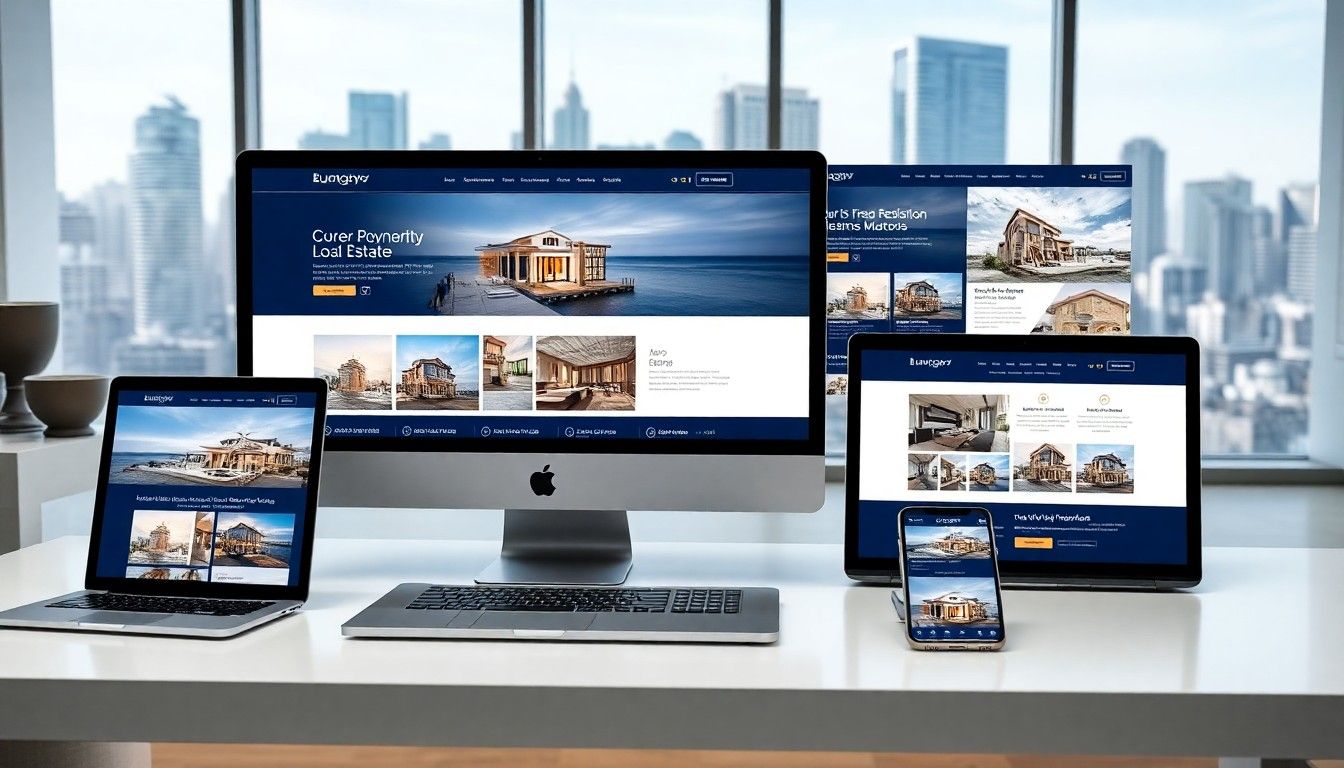
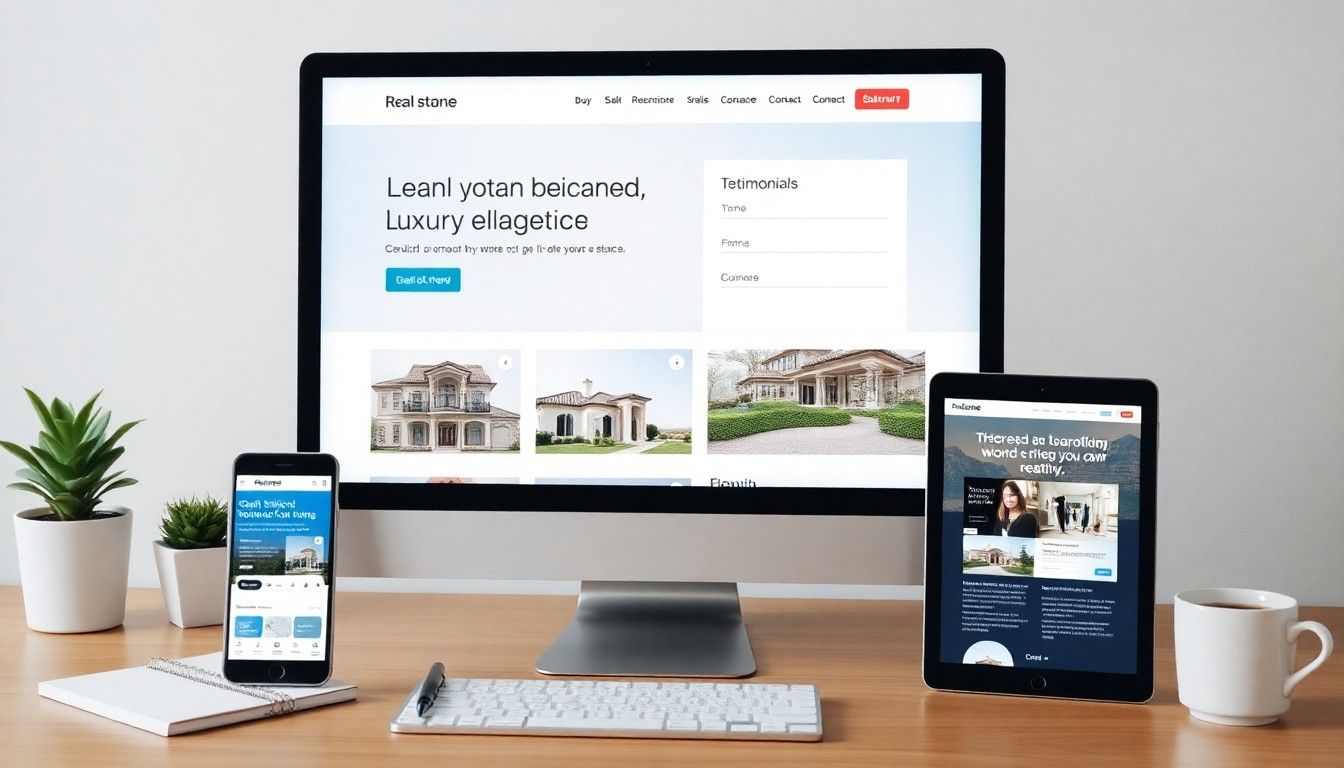
Essential Property Marketing Visuals
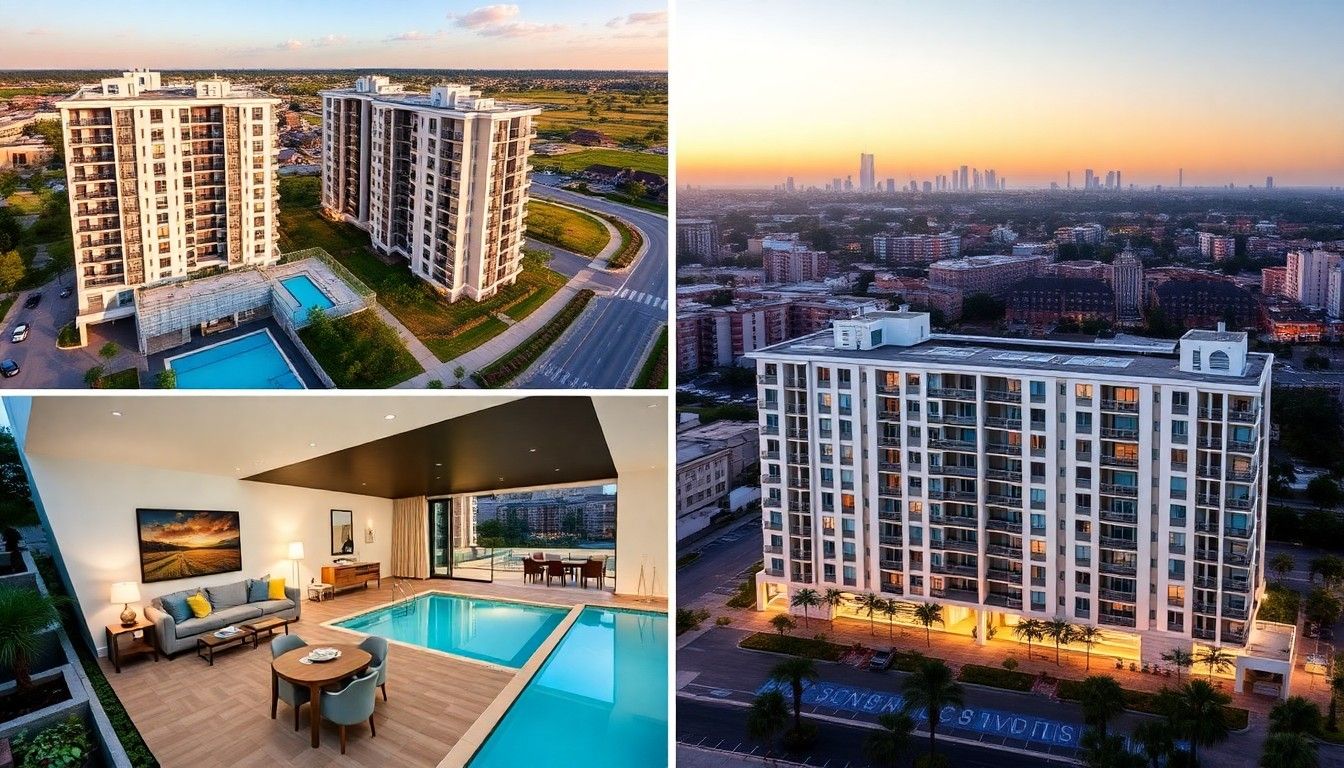
Here's something we've learned after years of creating digital showcases for real estate professionals: a stunning property can sit on the market forever if the visuals don't tell its story properly. We see this challenge daily at Dignuz Design, where agents and developers reach out frustrated because their beautiful properties aren't getting the attention they deserve online.
Think about it this way. When someone scrolls through property listings at 10 PM on their phone (and let's be honest, that's when most of us do our serious house hunting), you've got maybe three seconds to make them stop scrolling and start dreaming. That's where the right marketing visuals become your secret weapon.
In this guide, we'll walk through the essential visual elements that actually move prospects from casual browsers to serious buyers. You'll discover which types of photography generate the most inquiries, how 3D visualization tools like our AmplyViewer platform can showcase a property's true potential, and practical strategies for creating visual content that fits your budget while delivering professional results.
Professional Photography That Stops the Scroll
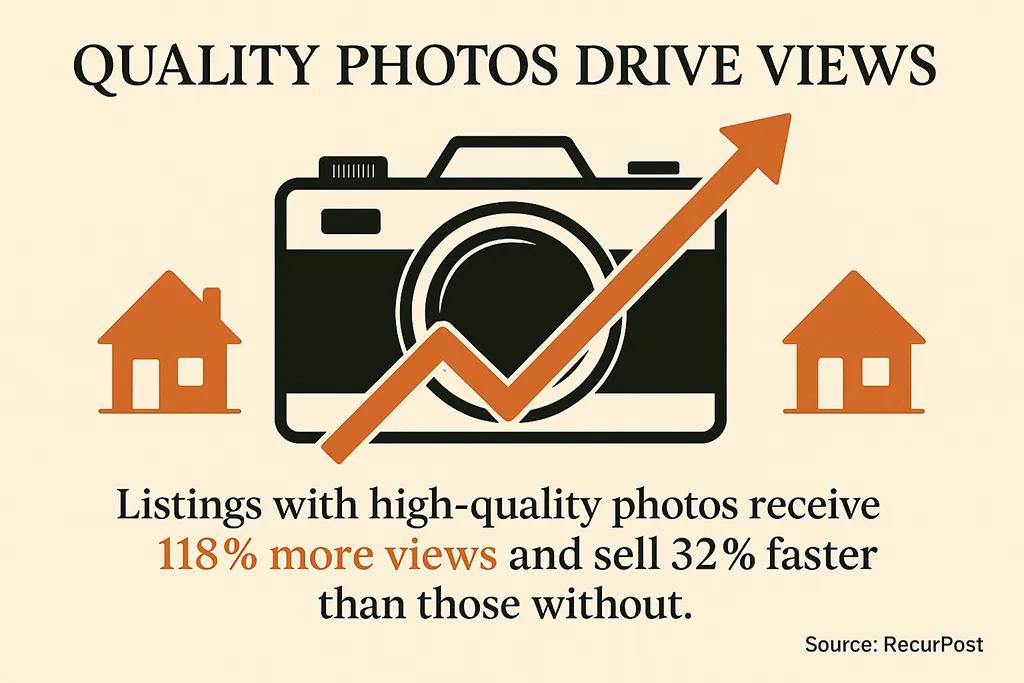
Let's start with the foundation of any successful property marketing campaign. Professional photography isn't just about having nice pictures, it's about creating that instant emotional connection between a prospect and your listing. According to recent industry data, listings with high-quality photos receive 118% more views and sell 32% faster than those without (Source: RecurPost).
Listings with high-quality photos receive 118% more views and sell 32% faster than those without.
We always recommend our clients think beyond the standard room shots. Yes, you need those clean, well-lit interior photos, but what really makes people pause are the shots that help them imagine their life in the space. The morning coffee corner by the kitchen window. The reading nook with perfect natural light. The outdoor entertaining area where they can picture hosting their friends.
Here's what should be in every professional photo shoot for your properties:
Exterior Curb Appeal
- Purpose: First impression and context
- Best Practices: Golden hour lighting, clean landscaping
Main Living Areas
- Purpose: Showcase flow and space
- Best Practices: Wide angles, staged with minimal furniture
Kitchen & Bathrooms
- Purpose: High-value decision drivers
- Best Practices: Focus on finishes and functionality
Lifestyle Moments
- Purpose: Emotional connection
- Best Practices: Natural lighting, lived-in but clean styling
Unique Features
- Purpose: Differentiate from competition
- Best Practices: Highlight architectural details or amenities
The key is consistency across all your listings. When prospects start recognizing your visual style, they begin to associate it with quality properties. That's when your marketing visuals start working harder for you, building trust before prospects even meet you in person.
Video Content That Brings Properties to Life
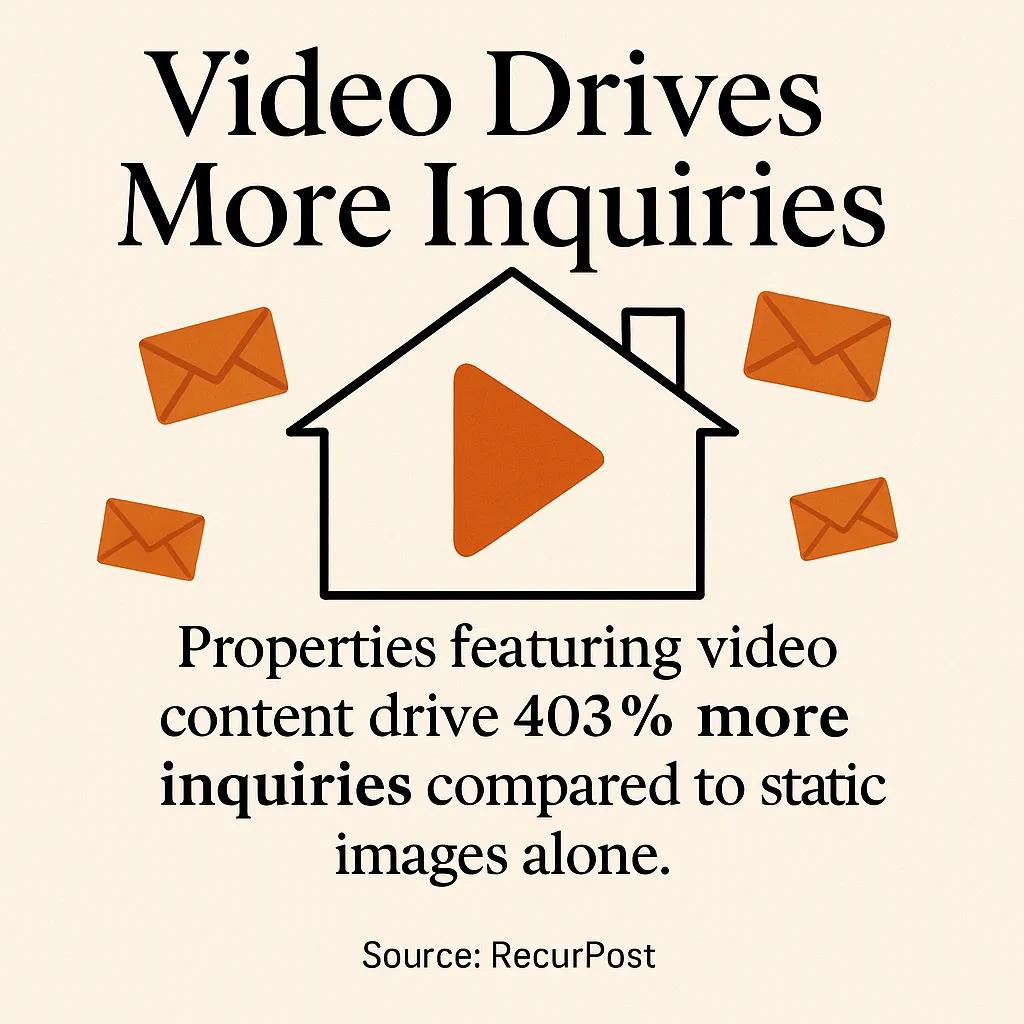
Video has become absolutely essential in property marketing, and the numbers back this up. Properties featuring video content drive 403% more inquiries compared to static images alone, and 3D tours specifically increase inquiries by 95% (Source: RecurPost). But here's what we've noticed: it's not just about having any video, it's about having the right type of video for your specific audience and budget.
Properties featuring video content drive 403% more inquiries compared to static images alone.
For properties still under construction or development, traditional video tours obviously aren't possible. This is where 3D visualization becomes incredibly powerful. Our AmplyViewer platform creates immersive experiences that let prospects walk through spaces that don't physically exist yet. They can see how natural light flows through the rooms at different times of day, understand the spatial relationships between areas, and genuinely connect with the property's potential.
Here are the video formats that consistently perform well for our real estate clients:
- Walkthrough Tours: Perfect for completed properties, these should follow a logical flow from entrance to key spaces
- Drone Footage: Showcases the property's setting, neighborhood context, and outdoor spaces from unique perspectives
- 3D Animated Tours: Ideal for developments or renovations, showing the transformation or final vision
- Lifestyle Videos: Short clips highlighting how spaces can be used, from morning routines to entertainment
- Neighborhood Features: Brief tours of local amenities, schools, parks, or shopping areas
The trick with video content is keeping it engaging without being overwhelming. We typically recommend videos between 60-90 seconds for social media sharing and longer 3-5 minute versions for your website or dedicated property pages. Remember, you're not making a documentary, you're creating a visual story that helps prospects imagine their future.
For those working with tighter budgets, even smartphone video can be effective if you focus on good lighting and steady shots. The key is planning your shots in advance and ensuring the video quality matches the caliber of property you're representing.
3D Visualization and Interactive Experiences
This is where property marketing gets really exciting, and honestly, where we see the biggest impact on conversion rates. 3D visualization tools transform how prospects interact with your listings, especially when you're selling pre-construction or renovation projects. Instead of asking people to imagine what could be, you're showing them exactly what will be.
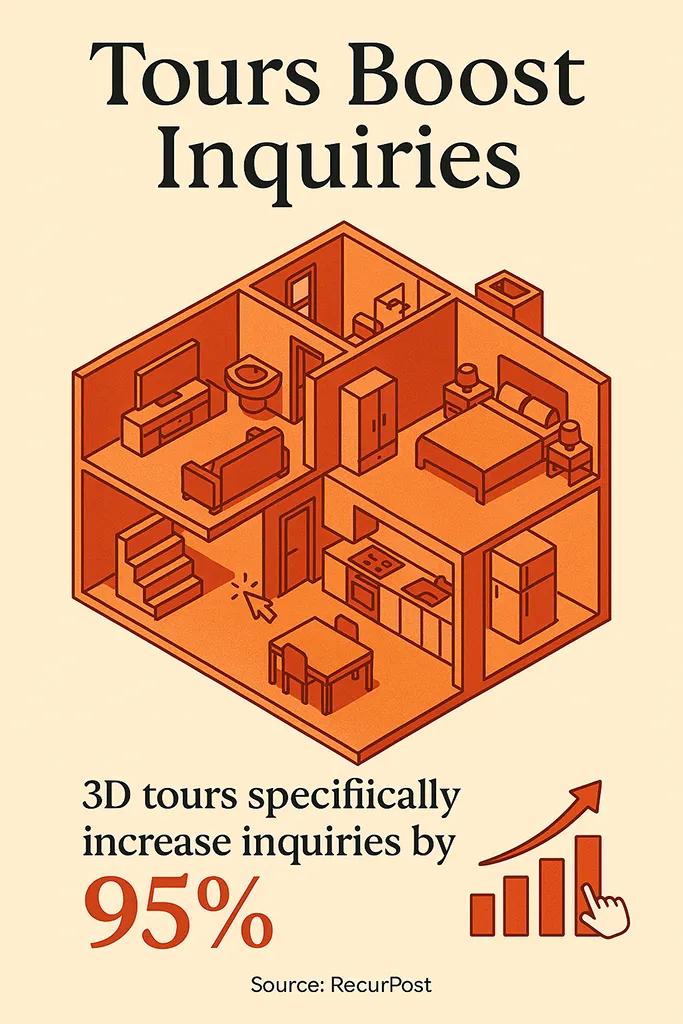
3D tours specifically increase inquiries by 95%.
What makes 3D visualization so powerful is the level of engagement it creates. When someone spends 10-15 minutes exploring a virtual property tour, clicking through different rooms, adjusting lighting, or viewing different finish options, they're not just browsing anymore. They're investing time and mental energy into understanding the space, which naturally leads to stronger emotional attachment.
Interactive features that consistently drive engagement include:
- Room-by-room navigation with hotspots highlighting key features and finishes
- Day/night lighting scenarios showing how spaces feel at different times
- Virtual staging options demonstrating different furniture arrangements or uses for flexible spaces
- Material and finish selectors letting prospects visualize customization options
- Measurement tools helping prospects understand if their furniture will fit
The technology behind these tools has become much more accessible recently. Platforms like our AmplyViewer service integrate smoothly with Webflow websites, so your 3D tours load quickly and work perfectly on mobile devices. This matters more than you might think, since most property browsing happens on phones during evening hours.
Virtual Staging
- Best Use Case: Empty or unfurnished properties
- Impact on Conversion: Helps prospects visualize potential
Interactive Floor Plans
- Best Use Case: Complex layouts or multi-level homes
- Impact on Conversion: Improves spatial understanding
Material Customization
- Best Use Case: New construction or renovation projects
- Impact on Conversion: Increases emotional investment
Virtual Reality Tours
- Best Use Case: High-end or unique properties
- Impact on Conversion: Creates memorable viewing experience
The key to successful 3D visualization is ensuring it enhances rather than replaces the human connection in your sales process. These tools should generate qualified leads who are already excited about the property when they reach out to you, making your actual conversations more productive and focused on moving toward a decision.
Creating Cohesive Visual Portfolios
Individual stunning photos and videos are great, but what really sets professional real estate marketing apart is how all these visual elements work together. Your portfolio needs to tell a complete story about each property while maintaining consistency across your entire brand. This is where many agents and developers miss opportunities, creating beautiful individual pieces that don't add up to a compelling overall presentation.
We approach portfolio creation like building a visual narrative. The exterior shots establish setting and context. Interior photography reveals the property's character and functionality. Video content adds movement and life. 3D visualization fills in gaps and shows potential. When these elements complement each other, prospects get a complete understanding of what you're offering.
Your visual portfolio should address the questions prospects ask most frequently:
- How does this property fit into the neighborhood and surrounding area?
- What's the flow and functionality of the interior spaces?
- How much natural light do the main living areas receive?
- What's the condition of key areas like kitchen, bathrooms, and mechanical systems?
- How could I personalize or modify the space for my needs?
- What lifestyle would this property enable for me and my family?
Organization matters just as much as content quality. We typically structure property portfolios with a logical hierarchy: hero shots that capture attention, detailed documentation that builds confidence, and lifestyle imagery that creates emotional connection. Each section serves a specific purpose in guiding prospects toward a viewing or purchase decision.
For online presentation, your visual portfolio needs to work across multiple platforms. The same content might appear on your website, social media channels, listing sites, and printed materials. Planning for this multi-channel approach from the beginning ensures consistency and maximizes your content investment. Tools like Canva or Adobe Creative Suite can help maintain visual consistency across different formats and sizes.
Optimizing Visuals for Different Marketing Channels
Creating beautiful property visuals is only half the equation. The other half is making sure those visuals perform well across all the different places your prospects might discover them. Each platform has its own technical requirements, audience expectations, and optimal formats. What works perfectly on your website might get lost in social media feeds or look unprofessional in email campaigns.
Social media platforms particularly need tailored approaches. Instagram rewards high-quality, visually striking images that look great on mobile screens. Facebook tends to favor video content and carousel posts that encourage engagement. LinkedIn audiences respond well to professional, informative visual content that positions you as a market expert.
Here's how we optimize property visuals for key marketing channels:
Website Gallery
- Optimal Format: High-res images, 3D tours
- Key Considerations: Fast loading times, mobile optimization
Social Media
- Optimal Format: Square/vertical formats, short videos
- Key Considerations: Attention-grabbing thumbnails, quick engagement
Email Marketing
- Optimal Format: Compressed images, embedded videos
- Key Considerations: Email client compatibility, file size limits
Print Materials
- Optimal Format: High-DPI images, CMYK color
- Key Considerations: Professional printing requirements
Listing Platforms
- Optimal Format: Standardized dimensions, specific ratios
- Key Considerations: Platform-specific image requirements
Technical optimization makes a huge difference in performance. Images that load slowly on mobile devices lose viewers before they even see your beautiful photography. Videos that don't auto-play on social media miss opportunities for engagement. 3D tours that require plugins or special software create barriers between prospects and your properties.
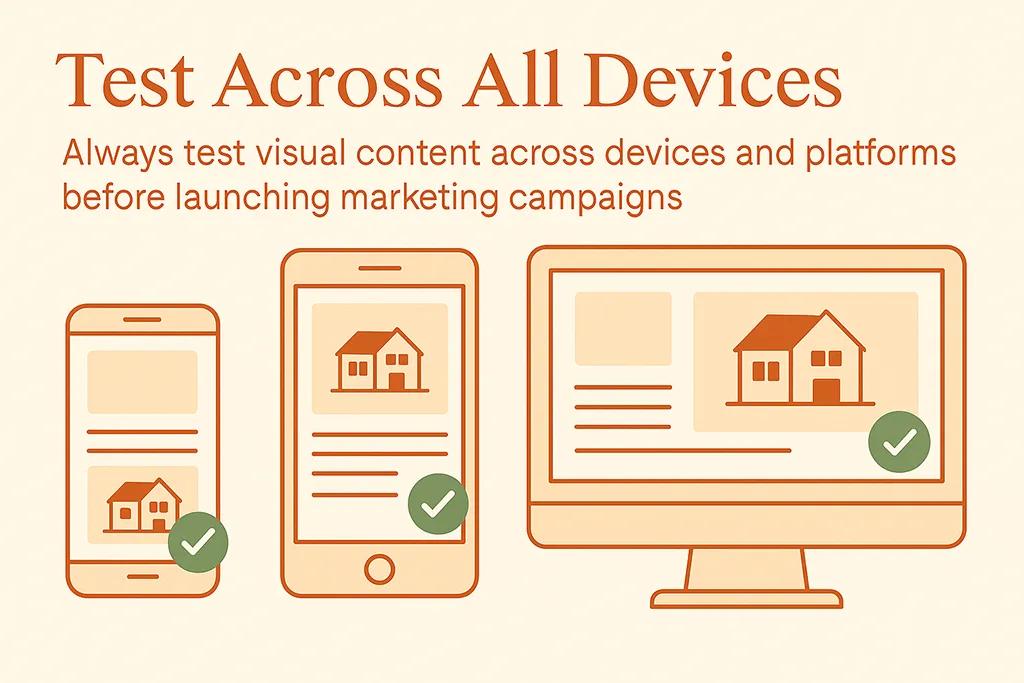
We always test visual content across devices and platforms before launching marketing campaigns. A quick check on different phones, tablets, and desktop browsers can reveal issues that might be costing you leads. Tools like Google PageSpeed Insights help identify image optimization opportunities that improve website performance.
Always test visual content across devices and platforms before launching marketing campaigns.
The goal is making your property visuals as accessible and engaging as possible, regardless of how or where prospects discover them. This might mean creating multiple versions of the same content, but the investment pays off in broader reach and better conversion rates across all your marketing channels.
For real estate professionals looking to enhance their visual marketing strategies, our guide to marketing messages that resonate with buyers provides additional insights into creating compelling property presentations.
Measuring Visual Content Performance
You can't improve what you don't measure, and this definitely applies to your property marketing visuals. The good news is that most digital platforms provide detailed analytics that help you understand which visual content resonates with your audience and drives actual results. The challenge is knowing which metrics actually matter for real estate marketing success.
We track different metrics depending on the marketing channel and campaign goals. For website galleries, we focus on time spent viewing images, click-through rates to contact forms, and the percentage of visitors who view multiple properties. For social media content, engagement rates, shares, and profile visits indicate whether visuals are building brand awareness and attracting potential clients.
The most valuable insights often come from comparing performance across different types of visual content. Maybe your drone footage consistently gets more engagement than interior shots, suggesting your audience values neighborhood context. Or perhaps 3D tours generate longer website sessions but don't necessarily increase contact form submissions, indicating they're great for engagement but might need better calls-to-action.
Key performance indicators we monitor for visual content include:
- Engagement Rates: Likes, comments, shares, and saves across social platforms
- Website Metrics: Page views, bounce rates, time on page, and conversion to contact forms
- Lead Quality: How visual content affects the qualification level of incoming inquiries
- Listing Performance: Views, saves, and inquiries on property listing platforms
- Email Metrics: Open rates, click-through rates, and responses to visual-heavy email campaigns
Advanced analytics tools like Google Analytics and Hotjar can provide deeper insights into how prospects interact with your visual content. Heat maps show which parts of image galleries get the most attention. User recordings reveal how people navigate through 3D tours or video content.
The key is establishing baseline performance metrics when you first implement professional visual content, then tracking improvements over time. Most of our clients see measurable increases in inquiry quality and quantity within 30-60 days of upgrading their property marketing visuals, but the specific improvements vary based on their market, property types, and target audience.
Regular performance reviews help identify opportunities for optimization. Maybe certain types of properties benefit more from video content, while others convert better with detailed photo galleries. Understanding these patterns lets you allocate your visual content budget more effectively and achieve better returns on your marketing investment.
Budget-Friendly Visual Content Strategies
Professional property marketing visuals don't have to break the bank, especially when you're strategic about where to invest your resources. We work with agents and developers across different budget ranges, and some of our most successful visual campaigns have come from creative approaches rather than expensive equipment or services.
The key is understanding which visual elements have the biggest impact on your specific market and property types. Luxury developments might require high-end 3D visualization and drone footage, while residential resales could see excellent results from professional photography and simple video walkthroughs. Start with the basics and expand your visual toolkit as you see results and return on investment.
Here are cost-effective approaches that consistently deliver strong results:
- DIY Photography: Modern smartphones can capture quality images with proper lighting and composition techniques
- Template-Based Graphics: Professional-looking social media and marketing materials using platforms like Canva
- Video Walkthroughs: Simple, steady video tours using basic equipment and natural lighting
- Batch Content Creation: Photographing multiple properties in single sessions to reduce per-property costs
- Collaborative Partnerships: Working with local photographers, videographers, or design students for mutual benefit
When working with limited budgets, focus on consistency and quality over quantity. It's better to have excellent visuals for your best listings that establish your professional reputation than mediocre content across all properties. As your business grows and visual content demonstrates clear ROI, you can expand your investment in more sophisticated tools and services.
Focus on consistency and quality over quantity when working with limited budgets.
Many of our clients start with basic professional photography and gradually add video, 3D visualization, and advanced marketing materials as they see results. This progressive approach allows you to learn what works best for your market while building a sustainable visual content strategy that fits your business model.
For developers and agents focused on luxury markets, our luxury real estate marketing guide provides specific strategies for creating high-end visual presentations that appeal to discerning buyers.
Conclusion
Property marketing visuals aren't just about making listings look pretty, they're about creating connections between prospects and properties before anyone steps foot through the door. When you invest in the right visual content strategy, you're essentially working 24/7 to qualify leads, build trust, and demonstrate the lifestyle potential of every property you represent.
The three elements that consistently drive results are professional photography that captures both features and emotions, video content that brings spaces to life, and 3D visualization that helps prospects imagine possibilities. These don't all need to happen at once, but building toward a complete visual marketing toolkit will set you apart in an increasingly competitive market.
Start with professional photography for your best listings this month. Notice how it affects inquiry quality and quantity. Then gradually add video walkthroughs, 3D tours, and interactive elements as your budget and comfort level allow. The key is measuring what works for your specific market and building on those successes.
At Dignuz Design, we love helping real estate professionals discover how powerful visual storytelling can be for their business. Whether you're ready for a complete visual transformation or just starting to upgrade your property photography, the right visuals will always be one of your most valuable marketing investments. Your prospects are already making decisions based on what they see, so make sure they're seeing the best possible version of every property you represent.