B2B Website Content Strategy

Best Practices for Attracting and Converting B2B Leads
Your B2B website is sitting there, looking professional and polished, but the leads just aren't rolling in like you'd hoped. Sound familiar? You're not alone – creating content that actually resonates with B2B decision-makers while driving real conversions is one of the trickiest challenges in digital marketing. The good news? There's a strategic approach that can transform your website from a digital brochure into a lead-generating machine.
While consumer websites can get away with flashy visuals and emotional appeals, B2B websites need to work harder and smarter. Your audience is researching solutions during work hours, comparing multiple vendors, and making decisions that could impact their entire organization. They need content that educates, builds trust, and guides them through a longer, more complex buying journey.
In this guide, we'll walk you through building a B2B website content strategy that actually works. You'll discover how to map content to different stages of the buyer journey, create assets that generate qualified leads, and measure what's actually driving results. Plus, we'll share practical frameworks you can implement right away – no marketing jargon, just actionable strategies that help you turn website visitors into paying customers.
Understanding Your B2B Audience and Their Content Needs
Before you write a single word, you need to get inside your audience's head. B2B buyers aren't impulse shoppers – they're researchers, analyzers, and committee members who need to justify every decision. The content that converts them looks nothing like what works in B2C markets.
Most B2B buyers are problem-aware or solution-aware when they hit your website. They're not browsing for fun; they're trying to solve a specific business challenge. This means your content needs to address their pain points directly while positioning your solution as the logical next step.
Problem Aware
- Mindset: "We have an issue to solve"
- Content Needs: Educational, diagnostic content
- Example Topics: "Signs your current system is failing"
Solution Aware
- Mindset: "We know what type of solution we need"
- Content Needs: Comparison guides, best practices
- Example Topics: "How to choose the right platform"
Vendor Aware
- Mindset: "We're evaluating specific options"
- Content Needs: Case studies, demos, ROI calculators
- Example Topics: "Customer success stories"
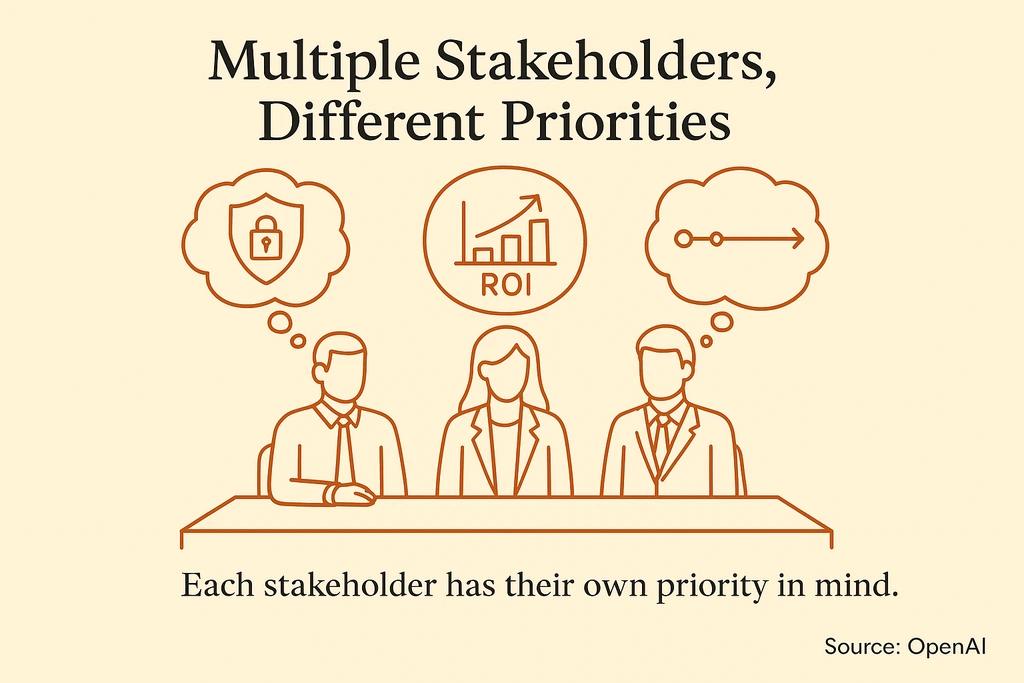
Here's what makes B2B content strategy different: your audience often includes multiple stakeholders with different priorities. The IT director cares about security and integration, while the CFO wants to see ROI projections. According to research from (Source: Siege Media), successful B2B content addresses objections from all decision-makers, not just the primary contact.
Your content strategy should also account for the longer sales cycle typical in B2B purchases. While a consumer might buy a product after one website visit, B2B buyers typically interact with your content multiple times across weeks or months. This means you need a variety of content types that nurture leads at different stages, from initial awareness through final decision-making.
Mapping Content Types to the B2B Sales Funnel
Smart B2B content strategy isn't about creating random blog posts and hoping for the best. It's about strategically placing the right content at the right funnel stage to guide prospects toward a purchase decision. Each piece of content should have a clear purpose and a logical next step.
Top-of-funnel content focuses on education and problem identification. This is where you build trust and establish expertise without being overly promotional. Think industry guides, trend reports, and diagnostic tools that help prospects understand their challenges better. When designing these resources, consider how effective website copy can guide readers naturally toward middle-funnel offers.
Top of Funnel
- Content Types: Blog posts, industry reports, webinars
- Lead Generation Goal: Build awareness, capture contact info
- Distribution Strategy: SEO, social media, email marketing
Middle of Funnel
- Content Types: eBooks, whitepapers, comparison guides
- Lead Generation Goal: Qualify leads, nurture interest
- Distribution Strategy: Gated content, email sequences
Bottom of Funnel
- Content Types: Case studies, demos, ROI calculators
- Lead Generation Goal: Drive purchase decisions
- Distribution Strategy: Sales enablement, targeted ads
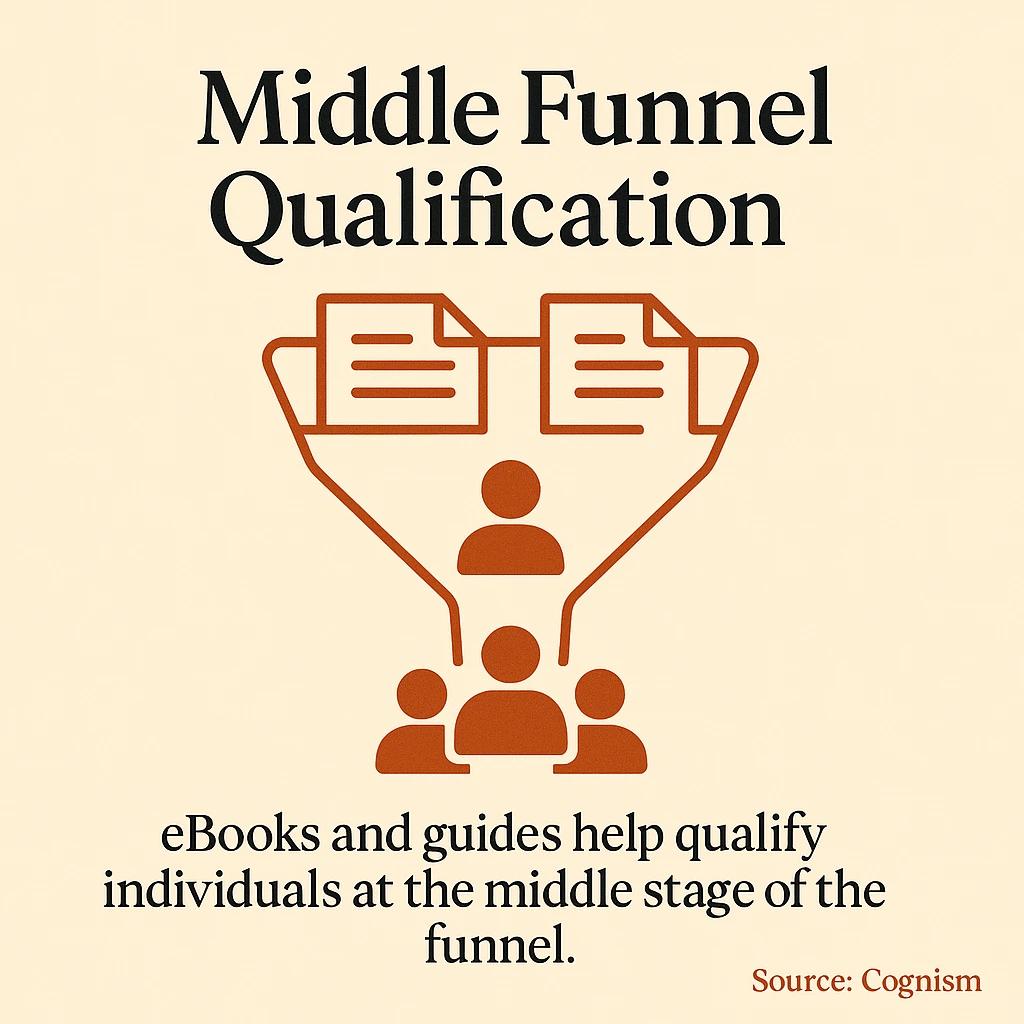
Middle-of-funnel content serves as your qualification engine. According to (Source: Cognism), gated assets like eBooks and comparison guides help you identify serious prospects while providing value that keeps them engaged. The key is offering something substantial enough to warrant an email exchange – not just a one-page checklist.
Bottom-of-funnel content addresses the final objections and pushes prospects toward a decision. This is where case studies, customer testimonials, and detailed product comparisons shine. These assets should be easily accessible to your sales team and designed to address specific concerns that come up during the sales process.
- Create content clusters around each major service or product area
- Develop nurture sequences that logically progress from awareness to consideration
- Build feedback loops between sales and marketing to identify content gaps
- Use progressive profiling to learn more about leads as they consume content
- Implement lead scoring based on content engagement patterns
Creating High-Converting B2B Website Content
The difference between content that converts and content that just sits there comes down to intentional design and strategic messaging. Every piece of content on your B2B website should serve a specific purpose in moving prospects closer to a buying decision.
Start with your value proposition and work backward. What unique benefits does your solution provide? How does it solve problems better than alternatives? Your content should consistently reinforce these differentiators while addressing the specific concerns of your target audience. This approach aligns perfectly with B2B website optimization best practices that focus on conversion over aesthetics.
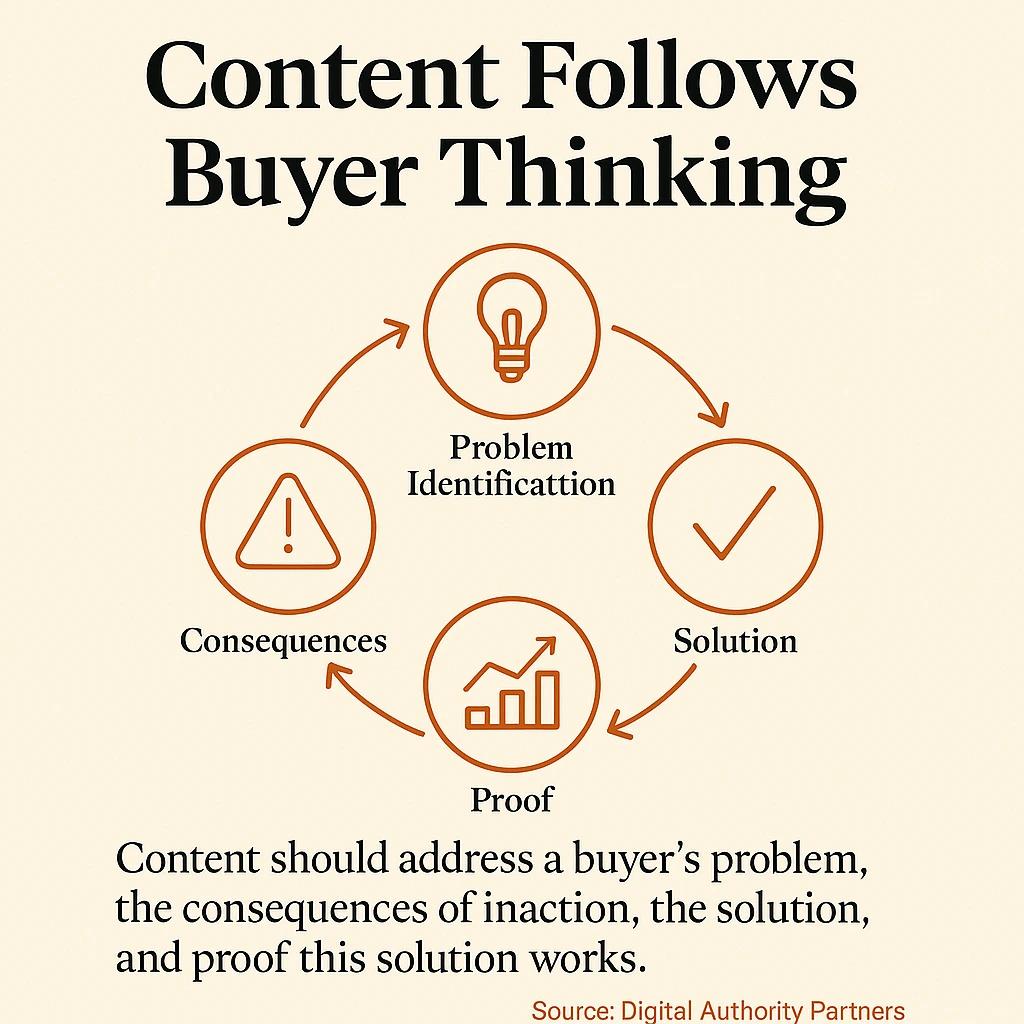
According to research from (Source: Digital Authority Partners), high-converting B2B content follows a predictable pattern: it identifies a problem, explains the consequences of inaction, presents a solution, and provides proof of effectiveness. This structure works because it mirrors how B2B buyers actually think through purchasing decisions.
Headlines
- Purpose: Capture attention, communicate value
- Best Practices: Include specific benefits, use numbers
- Common Mistakes: Being too clever, lacking specificity
Introductions
- Purpose: Hook readers, establish relevance
- Best Practices: Address pain points immediately
- Common Mistakes: Generic industry statements
Body Content
- Purpose: Educate, build trust, drive action
- Best Practices: Use data, examples, social proof
- Common Mistakes: Being too promotional too early
Calls to Action
- Purpose: Generate leads, continue conversation
- Best Practices: Clear next steps, value-focused
- Common Mistakes: Weak verbs, unclear outcomes
When developing content for specific pages, consider the user's context and intent. Homepage content should briefly explain what you do and guide visitors to relevant sections. Service pages need detailed explanations, benefits, and clear next steps. About pages should build trust and credibility – yes, people actually read these in B2B contexts.
Don't forget about the technical aspects that impact content performance. Page load speed, mobile responsiveness, and intuitive navigation all affect how users interact with your content. A well-designed website enhances your message, while poor design can undermine even the most compelling copy.
Content Distribution and Promotion Strategies
Creating great content is only half the battle – you need a solid distribution strategy to get it in front of the right people. B2B content distribution requires a multi-channel approach that meets your audience where they already spend their time.
Search engine optimization should be your foundation. According to (Source: Neil Patel), B2B buyers conduct extensive online research before making contact with vendors. This means your content needs to rank for the terms your prospects are searching for, from broad industry topics to specific solution comparisons.
Email marketing remains one of the most effective channels for B2B content distribution. Use your existing contact database to promote new content, but segment your audience based on their interests and stage in the buyer journey. A CFO doesn't need to see your technical implementation guide, and an IT director probably isn't interested in ROI calculators.
Organic Search
- Content Types: Blog posts, guides, comparison pages
- Audience Targeting: Keyword-based targeting
- Success Metrics: Rankings, organic traffic, conversions
- Content Types: Industry insights, thought leadership
- Audience Targeting: Job title, company size, industry
- Success Metrics: Engagement, profile visits, connection requests
Email Marketing
- Content Types: Newsletters, nurture sequences
- Audience Targeting: Behavioral and demographic segments
- Success Metrics: Open rates, click-through rates, conversions
Paid Advertising
- Content Types: Case studies, demos, whitepapers
- Audience Targeting: Lookalike audiences, retargeting
- Success Metrics: Cost per lead, conversion rates, ROI
Social media strategy for B2B differs significantly from consumer approaches. LinkedIn is your primary platform for reaching decision-makers, while Twitter can work for industry news and quick insights. Focus on building genuine relationships and providing value rather than constant self-promotion.
Consider partnering with industry publications, podcasts, and other complementary businesses to expand your reach. Guest posting, podcast appearances, and co-marketing initiatives can introduce your content to new audiences who are already interested in your topic area.
- Repurpose content across multiple formats (blog post → infographic → video → podcast)
- Create content hubs on specific topics to improve SEO and user experience
- Use marketing automation to deliver personalized content based on user behavior
- Implement social sharing tools to make content easy to distribute
Measuring Content Performance and ROI
You can't improve what you don't measure, and B2B content marketing requires careful tracking to understand what's actually driving results. The metrics that matter most are those that connect directly to revenue and business growth, not just vanity metrics like page views or social media likes.
Lead generation metrics should be your primary focus. Track how many qualified leads each piece of content generates, which content types produce the highest-quality prospects, and how content consumption correlates with sales outcomes. This data helps you allocate resources to the most effective content types and topics.
When evaluating content performance, consider the full customer journey. A blog post might not generate immediate leads, but it could play a crucial role in nurturing prospects who eventually convert. Use attribution modeling to understand how different content pieces contribute to overall sales results.
Lead Generation
- Key Indicators: Conversion rates, lead quality scores
- Measurement Tools: Google Analytics, CRM integration
- Reporting Frequency: Weekly
Engagement
- Key Indicators: Time on page, scroll depth, return visits
- Measurement Tools: Heat mapping tools, analytics
- Reporting Frequency: Monthly
SEO Performance
- Key Indicators: Keyword rankings, organic traffic
- Measurement Tools: SEO tools, search console
- Reporting Frequency: Monthly
Revenue Attribution
- Key Indicators: Customer lifetime value, sales cycle length
- Measurement Tools: CRM reports, attribution modeling
- Reporting Frequency: Quarterly
Set up conversion tracking that connects content consumption to business outcomes. This might include tracking which blog posts lead to demo requests, which whitepapers correlate with closing deals, or which case studies are most effective at overcoming objections during the sales process.
Use your performance data to continuously refine your content strategy. Double down on topics and formats that generate results, and don't be afraid to discontinue content that isn't performing. Regular content audits help you identify opportunities to update, repurpose, or remove underperforming assets.
Advanced B2B Content Strategy Tactics
Once you've mastered the basics, there are several advanced tactics that can give your B2B content strategy a competitive edge. These approaches require more sophistication but can dramatically improve your results when executed properly.
Account-based marketing (ABM) content targets specific high-value prospects with personalized messaging. Instead of creating broad industry content, you develop materials that address the specific challenges and goals of individual companies or market segments. This approach works particularly well for enterprise B2B sales where deal sizes justify the extra effort.
Interactive content tools like calculators, assessments, and configurators provide immediate value while capturing detailed lead information. These tools can be particularly effective for small business websites that need to stand out in crowded markets by offering unique value propositions.
Account-Based Content
- Implementation Complexity: High
- Resource Requirements: Dedicated team, research tools
- Expected ROI: Very High
Interactive Tools
- Implementation Complexity: Medium
- Resource Requirements: Development resources, maintenance
- Expected ROI: High
Video Content Series
- Implementation Complexity: Medium
- Resource Requirements: Production equipment, editing skills
- Expected ROI: Medium to High
Influencer Partnerships
- Implementation Complexity: Low to Medium
- Resource Requirements: Relationship building, collaboration
- Expected ROI: Medium
Consider implementing content personalization based on visitor behavior, company size, or industry. Modern marketing automation platforms can dynamically serve different content to different audience segments, creating a more relevant experience for each visitor.
Video content continues to grow in importance for B2B marketing. Product demos, customer testimonials, and educational webinars can be highly effective for engaging prospects who prefer visual content. Just ensure your video strategy aligns with your overall content goals and provides clear next steps for interested viewers.
Don't overlook the power of community building through content. Creating industry forums, user groups, or educational resources can establish your brand as a thought leader while generating ongoing engagement with your target audience. This approach requires long-term commitment but can create significant competitive advantages.

Building Your B2B Content Strategy Implementation Plan
With all the theory covered, it's time to build your practical implementation plan. Start with a content audit of your existing materials to identify gaps and opportunities. What content do you already have that's performing well? What topics are your competitors covering that you're missing?
Create a content calendar that maps specific pieces to your sales funnel stages and business objectives. This calendar should include content types, target keywords, promotion channels, and success metrics for each piece. Having a clear plan helps ensure consistency and makes it easier to measure progress over time.
Consider working with specialists who understand both content strategy and technical implementation. Whether you need help with choosing a web design agency or optimizing your existing website for better content performance, the right partners can accelerate your results significantly.
- Start with a 90-day pilot program focusing on your most promising content opportunities
- Assign clear ownership for content creation, promotion, and performance tracking
- Set up regular review meetings to assess progress and adjust tactics
- Create templates and processes that make content creation more efficient
- Build relationships with subject matter experts who can contribute to your content efforts
Budget for both content creation and promotion. Many B2B companies underestimate the resources needed to effectively distribute their content. Plan to spend roughly 20% of your content budget on creation and 80% on promotion and distribution.
Finally, stay flexible and responsive to market changes. B2B content strategy isn't a "set it and forget it" proposition – it requires ongoing optimization based on performance data, market feedback, and changing business priorities. Regular strategy reviews help ensure your content continues to drive meaningful business results.
Your B2B website content strategy is a marathon, not a sprint. Focus on building sustainable processes that consistently deliver value to your audience while supporting your business goals. With the right approach, your content can become one of your most powerful tools for attracting and converting qualified leads.