Small Business Website Design: Affordable Solutions for Maximum Impact

Understanding the Importance of a Small Business Website
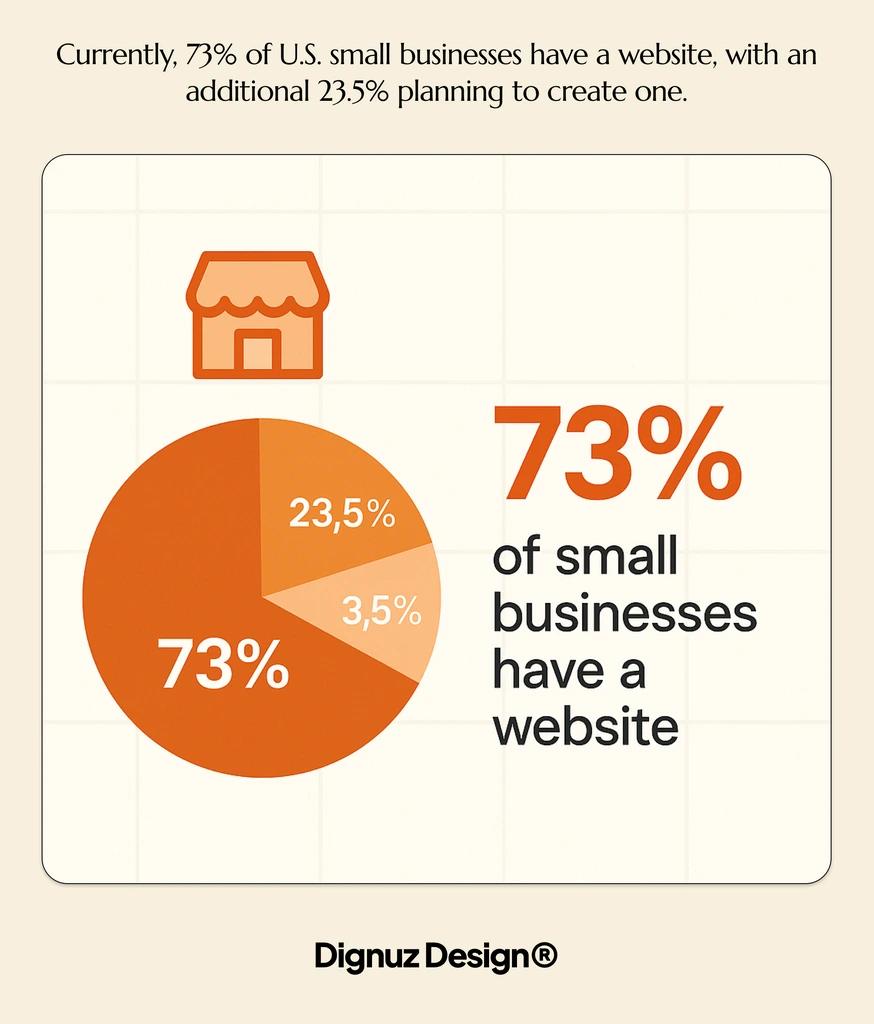
A professional website serves as your business's digital storefront. In today's digital economy, having an online presence is no longer optional for small businesses seeking growth. Currently, 73% of U.S. small businesses have a website, with an additional 23.5% planning to create one. (Source: Zippia)
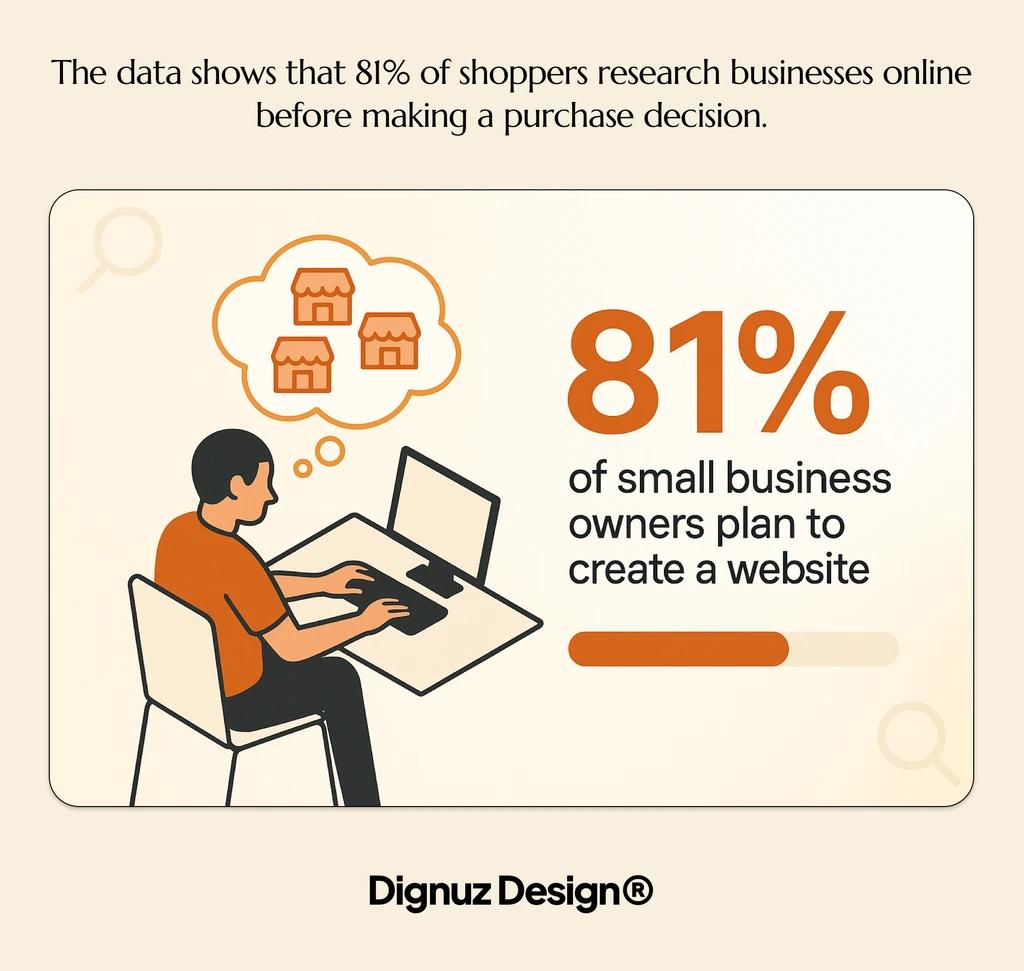
Why does this matter? Potential customers expect to find you online. The data shows that 81% of shoppers research businesses online before making a purchase decision. (Source: Zippia) For real estate professionals and small businesses alike, this means that lacking a website can directly translate to missed opportunities.
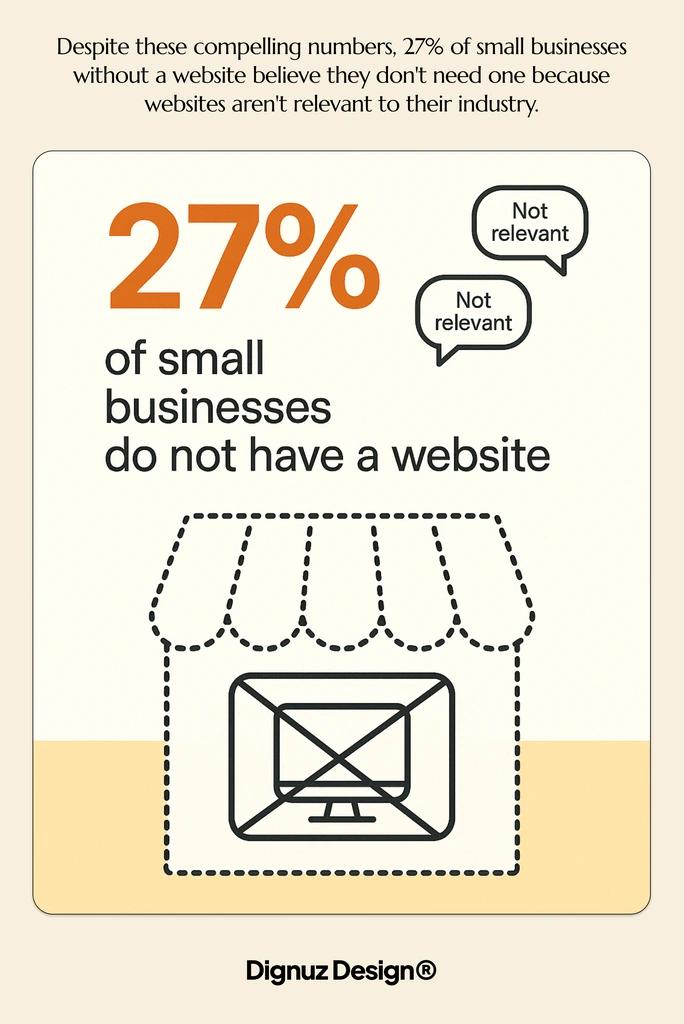
Despite these compelling numbers, 27% of small businesses without a website believe they don't need one because websites aren't relevant to their industry. (Source: Zippia) This perception creates a competitive advantage for those who recognize the value of a strong online presence.
Let's examine what makes an effective small business website and how you can create one that delivers maximum impact without breaking your budget.
Key Elements of Effective Small Business Websites
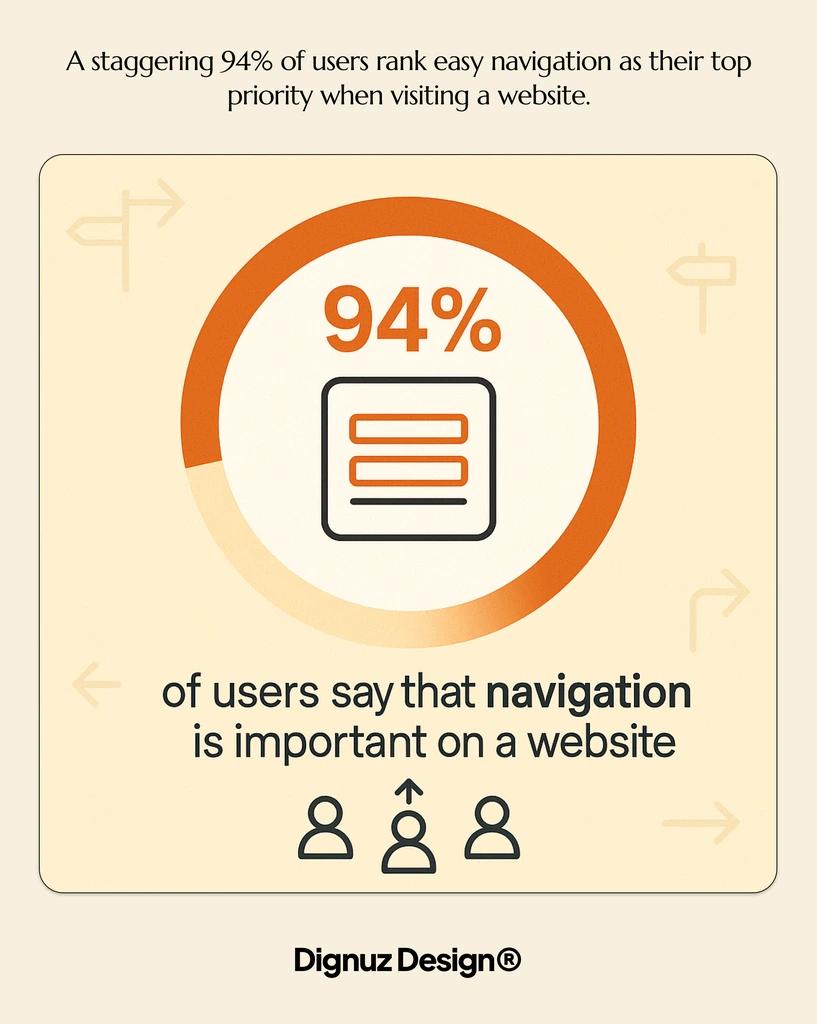
Creating a website that drives business results requires understanding what users value most. User experience directly influences whether visitors stay, engage, or leave. A staggering 94% of users rank easy navigation as their top priority when visiting a website. (Source: Luisa Zhou)
Poor user experience drives visitors away quickly. Research indicates that 42% of users abandon websites due to poor functionality, while 38% leave if they find the layout unattractive. (Source: Luisa Zhou) These statistics highlight the importance of focusing on both aesthetics and functionality.
The following table shows the essential elements every small business website should include, ranked by importance to user satisfaction:
Clear Navigation:
- Importance Level: Critical
- Impact on User Behavior: Reduces bounce rates by 61% when optimized
Mobile Responsiveness:
- Importance Level: Critical
- Impact on User Behavior: Affects over 50% of all web traffic
Page Loading Speed:
- Importance Level: High
- Impact on User Behavior: Each 1-second delay reduces conversions by 7%
Contact Information:
- Importance Level: High
- Impact on User Behavior: 44% of B2B buyers leave without it
Visual Design Quality:
- Importance Level: Medium-High
- Impact on User Behavior: 38% leave if unattractive
Understanding these priorities helps small businesses focus their limited resources on the elements that deliver the greatest return on investment.
Design Elements That Drive Engagement
Good website design goes beyond aesthetics. It strategically guides visitors through your content toward conversion actions. For real estate businesses, effective design showcases properties in their best light while making information easily accessible.
When designing your small business website, pay special attention to these elements:
- Visual hierarchy that guides users to important content first
- Consistent branding that builds recognition and trust
- White space that improves readability and focus
- High-quality images that represent your offerings accurately
- Clear calls-to-action that prompt visitor response
The most successful small business websites balance visual appeal with functionality. They create an engaging user experience without sacrificing performance or ease of navigation.
Functionality Requirements for Business Growth
Beyond looking good, your website must function effectively to support business goals. For real estate professionals, this means incorporating features that help prospects visualize properties and take the next step in their buying journey.
First, ensure your contact information appears prominently. A concerning 44% of B2B buyers will abandon websites that don't clearly display contact details. (Source: Zippia) This simple addition significantly improves lead generation potential.
Second, implement forms that capture visitor information without creating friction. The best forms collect only essential information and offer clear value in exchange.
Third, integrate analytics tools to understand visitor behavior. This data helps you continuously improve your website's performance based on actual user actions.
Finally, ensure your site loads quickly across all devices. Fast-loading websites provide better user experiences and rank higher in search results.
Affordable Website Solutions for Small Businesses
Creating a professional website doesn't necessarily require a massive budget. Different approaches offer various benefits at different price points. The key is finding the right balance between cost, quality, and functionality for your specific business needs.
The table below compares different website development options with their respective costs and benefits:
DIY Website Builders:
- Typical Cost Range: $0-300/year
- Best For: Very small businesses, solopreneurs
- Limitations: Limited customization, generic designs
Template Customization:
- Typical Cost Range: $500-3,000
- Best For: Small businesses with standard needs
- Limitations: Partial uniqueness, some limitations
Webflow Development:
- Typical Cost Range: $3,000-8,000
- Best For: Growing businesses needing custom design
- Limitations: Higher initial investment
Custom Development:
- Typical Cost Range: $8,000-50,000+
- Best For: Established businesses with specific needs
- Limitations: Highest cost, longer development time
Most small businesses can expect to invest between $1,000 and $10,000 for a professional website that meets their needs. (Source: Zippia) The exact cost depends on factors like design complexity, functionality requirements, and the development approach chosen.
Website Builders vs. Custom Development
When choosing between website builders and custom development, consider your specific business requirements, budget constraints, and growth plans.
Website builders like Wix, which powers 45% of the website builder market, offer quick setup with minimal technical knowledge required. (Source: Wix) These platforms provide templates and drag-and-drop interfaces that make creating basic websites accessible to most business owners.
Custom development, on the other hand, offers unlimited flexibility and unique design. This approach works best for businesses with specific requirements that template-based solutions can't satisfy. While custom websites typically cost more initially, they often deliver better long-term results through improved user experience and conversion optimization.
The global website builder industry is projected to reach $2.1 billion in 2024, reflecting the growing demand for accessible website creation solutions. (Source: Wix) This growth has driven improvements in both DIY and professional development options.
Webflow as an Optimal Solution
For many small businesses, Webflow represents an excellent middle ground between template-based builders and fully custom websites. Webflow for real estate websites offers the perfect balance of customization capabilities and cost-effectiveness.
Webflow provides several advantages for small businesses:
First, it allows for highly customized designs without requiring extensive coding knowledge. This means your website can stand out from competitors while remaining manageable.
Second, Webflow websites typically load faster than those built with many other platforms. This improved performance benefits both user experience and search engine rankings.
Third, the platform includes a powerful content management system that makes updating your website simple. This is particularly valuable for real estate businesses that need to regularly update property listings.
Finally, Webflow sites are fully responsive by default, ensuring your website looks great on all devices without additional development work.
Maximizing ROI with Strategic Website Investments
With limited budgets, small businesses must prioritize website investments that deliver the greatest returns. Understanding where to focus resources helps ensure your website effectively supports business goals without unnecessary expenses.
The following table shows key website investment areas ranked by typical ROI for small businesses:
Mobile Optimization:
- Typical ROI Range:High
- Implementation Cost: Medium
- Priority Level: Essential
Page Speed Improvement:
- Typical ROI Range:High
- Implementation Cost: Low-Medium
- Priority Level: Essential
User Experience Design:
- Typical ROI Range:High
- Implementation Cost: Medium-High
- Priority Level: High
SEO Optimization:
- Typical ROI Range:Medium-High
- Implementation Cost: Medium
- Priority Level: High
Content Creation:
- Typical ROI Range:Medium-High
- Implementation Cost: Medium
- Priority Level: High
Visual Design Enhancements:
- Typical ROI Range:Medium
- Implementation Cost: edium-High
- Priority Level: Medium
This prioritization framework helps small businesses make informed decisions about where to allocate their website development budgets. Focus first on essential elements that directly impact user experience and conversion potential.
Cost-Effective Enhancement Strategies
Several strategies can help small businesses maximize website impact while managing costs effectively.
First, consider a phased implementation approach. Start with a minimal viable website containing only essential elements, then add features incrementally as your budget allows. This strategy delivers value sooner while spreading costs over time.
Second, prioritize functionality over flashy design elements. While visual appeal matters, functionality drives conversions. Ensure basic functions work flawlessly before investing in advanced visual effects.
Third, leverage existing assets whenever possible. Using your current brand materials, content, and imagery reduces development costs while maintaining brand consistency.
Fourth, choose platforms with room to grow. Starting with a scalable solution like Webflow means you won't need to rebuild your website as your business expands.
Finally, work with professionals who understand your industry. Specialists who focus on real estate websites bring industry-specific knowledge that improves results while reducing revision cycles.
Measuring Website Performance Success
Tracking the right metrics helps small businesses understand their website's performance and make data-driven improvements. For real estate businesses, key performance indicators include:
First, conversion rate shows the percentage of visitors who take desired actions. This might include property inquiries, contact form submissions, or downloadable resource requests.
Second, traffic sources reveal how visitors find your website. Understanding these patterns helps optimize marketing efforts to drive qualified traffic.
Third, page engagement metrics like time on page and scroll depth indicate content effectiveness. These insights help refine your content strategy to better meet visitor needs.
Fourth, mobile performance metrics track how well your site functions on various devices. With increasing mobile usage, optimizing for all screen sizes is essential.
According to recent data, 43% of small businesses prioritize improving website performance as a key marketing objective. (Source: Luisa Zhou) This focus reflects growing recognition of website effectiveness as a critical business driver.
Small Business Website Case Study: Real Estate Sector
Real estate businesses face unique website challenges. They need to showcase visual content effectively while providing detailed property information in an engaging format. Additionally, they must build trust quickly, as property transactions involve significant financial decisions.
For real estate professionals, websites must balance visual appeal with functional tools that help potential buyers make decisions. What makes a professional real estate website stand out? Often it's the combination of beautiful design and practical tools that facilitate the buying process.
Effective real estate websites typically include these specialized features:
- Advanced property search functionality
- High-quality property images and virtual tours
- Interactive maps showing property locations
- Neighborhood information and amenities
- Clear calls-to-action for inquiries and viewings
The right combination of these elements creates a website that not only showcases properties effectively but also guides potential buyers through the decision-making process.
Interactive Property Showcasing Solutions
Traditional property listings with static images and text descriptions no longer meet buyer expectations. Today's real estate websites must provide immersive experiences that help prospects visualize themselves in the property.
Interactive showcasing tools represent a significant advancement in real estate websites, with interactive property showcases proving more effective than static images for engaging potential buyers and reducing time to purchase decisions.
These interactive tools offer several benefits:
First, they provide a more complete understanding of the property layout and flow. This reduces questions and objections early in the sales process.
Second, they increase engagement time on your website. Visitors spend significantly longer exploring interactive content compared to static images.
Third, they differentiate your listings from competitors. Properties with interactive visualizations stand out in crowded marketplaces.
Fourth, they pre-qualify buyers more effectively. The detailed information provided helps prospects determine if a property meets their needs before scheduling in-person viewings.
Solutions like AmplyViewer offer immersive, interactive property visualizations that transform standard listings into engaging experiences. This technology helps real estate professionals showcase properties more effectively while providing valuable information to potential buyers.
Implementation Timeline and Process
Implementing a new real estate website typically follows a structured process with several key phases. Understanding this timeline helps set realistic expectations and ensures proper planning.
Discovery & Planning:
- Typical Duration: 2-3 weeks
- Key Activities: Requirements gathering, sitemap creation, content planning
- Deliverables: Project brief, sitemap, content inventory
Design:
- Typical Duration: 3-4 weeks
- Key Activities: Visual design, wire-framing, client feedback
- Deliverables: Approved design mockups
Development:
- Typical Duration: 4-6 weeks
- Key Activities: Frontend & backend development, CMS setup
- Deliverables: Functional website on staging server
Content Population:
- Typical Duration: 2-3 weeks
- Key Activities: Content entry, image optimization, property setup
- Deliverables: Fully populated website
Testing & Launch:
- Typical Duration: 1-2 weeks
- Key Activities: Quality assurance, performance testing, launch
- Deliverables: Live website
This timeline represents a typical project schedule for a small to medium-sized real estate website. Actual timelines may vary based on project complexity, client responsiveness, and specific requirements.
The development process should include regular checkpoints for client feedback and adjustments. This collaborative approach ensures the final website meets both business objectives and user needs.
Expert Tips for Small Business Website Success
Based on industry expertise and data, here are key recommendations for small business website success:
First, prioritize mobile optimization from the start. Most website traffic now comes from mobile devices, making this essential rather than optional.
Second, focus on site speed as a critical performance factor. Fast-loading websites provide better user experiences and rank higher in search results.
Third, include clear contact information on every page. Remember that 44% of B2B buyers will leave websites that don't clearly display contact details.
Fourth, implement analytics from day one. Data-driven decisions consistently outperform assumptions about what users want.
Fifth, plan for ongoing maintenance and updates. Websites require regular attention to remain secure, functional, and competitive.
Using data to guide decision-making improves website effectiveness. Currently, 40% of small businesses use AI and automation tools primarily for email and social media, but these technologies can also enhance website personalization and performance. (Source: Luisa Zhou)
For those working with web design professionals, it's worth noting that 64% of freelance web designers work with private companies. (Source: Zippia) Finding the right partner with relevant industry experience significantly impacts project success.
When selecting a development partner, consider their experience in your specific industry. Specialists who understand your business context can create more effective solutions than generalists.
Agencies typically charge between $1,000 and $6,000 for website design, excluding additional services like SEO optimization. (Source: Zippia) While this represents a significant investment for small businesses, the return on a well-executed website typically justifies the cost.
Conclusion: Taking the Next Step with Your Small Business Website
A professional website represents one of the most important investments a small business can make in its digital presence. When created strategically, your website serves as a 24/7 marketing tool, lead generation platform, and credibility builder.
For real estate professionals, the right website creates competitive advantage through better property visualization, more efficient lead qualification, and enhanced brand positioning. Custom website design tailored to your specific business needs delivers the best long-term results.
Remember that website development is not a one-time project but an ongoing business asset that requires attention and refinement. Plan for both initial development and continued optimization to maximize return on investment.
The statistics make a compelling case: with 81% of shoppers researching businesses online before purchasing and 73% of small businesses already having websites, having a professional online presence is no longer optional—it's essential for business growth and competitive positioning.
Ready to take your real estate business online or improve your existing website? The right development partner can help you create a website that not only looks professional but also drives business results through strategic design and functionality.