Real Estate Logo Design Trends
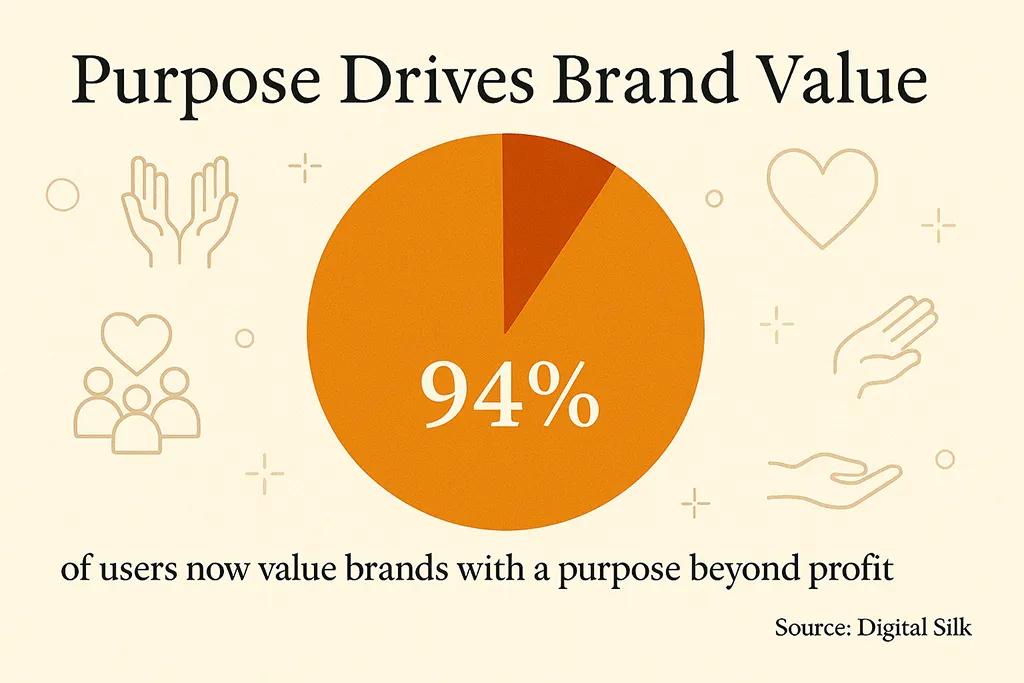
Here's what caught my eye when analyzing real estate branding this year. 94% of users now value brands with a purpose beyond profit, and that shift is reshaping everything about logo design.
Purpose drives preference: 94% of consumers value brands with a mission beyond profit.
Your logo isn't just a pretty symbol anymore. It needs to tell a story. It needs to connect with people's values. And honestly, it needs to work across more platforms than ever before.
At Dignuz Design, we see real estate professionals struggling with this every day. They want something unique but can't afford custom design. They need digital-ready assets but don't know what that means. They're tired of cookie-cutter house icons but aren't sure what comes next.
The good news? 2026 is bringing some fantastic trends that make your brand more approachable, more memorable, and more effective. We'll walk through five major shifts happening right now, plus practical ways to implement them without breaking your budget.
Clean Minimalism Takes Center Stage
Simplicity isn't going anywhere. In fact, it's getting stronger. The most successful real estate logos in 2026 strip away everything except what's essential.
Think about it this way. Your logo appears on business cards, yard signs, social media profiles, email signatures, and mobile apps. That's a lot of different sizes and contexts. Clean design scales beautifully across all these touchpoints.
Color Palette
- Trend: 2-3 colors maximum
- Why It Works: Better brand recognition and printing costs
Typography
- Trend: Single font family
- Why It Works: Consistent readability across platforms
Iconography
- Trend: Simple geometric shapes
- Why It Works: Scalable and memorable
White Space
- Trend: Strategic use for breathing room
- Why It Works: Professional appearance and clarity
The key is making deliberate choices about what to include. Every element should earn its place. If you can remove something and the logo still communicates your brand, remove it.
Practical Implementation Tips
Start by listing your brand's core values in three words. Your logo should reflect these concepts without being literal. If one of your values is "trust," you don't need to include a handshake icon.
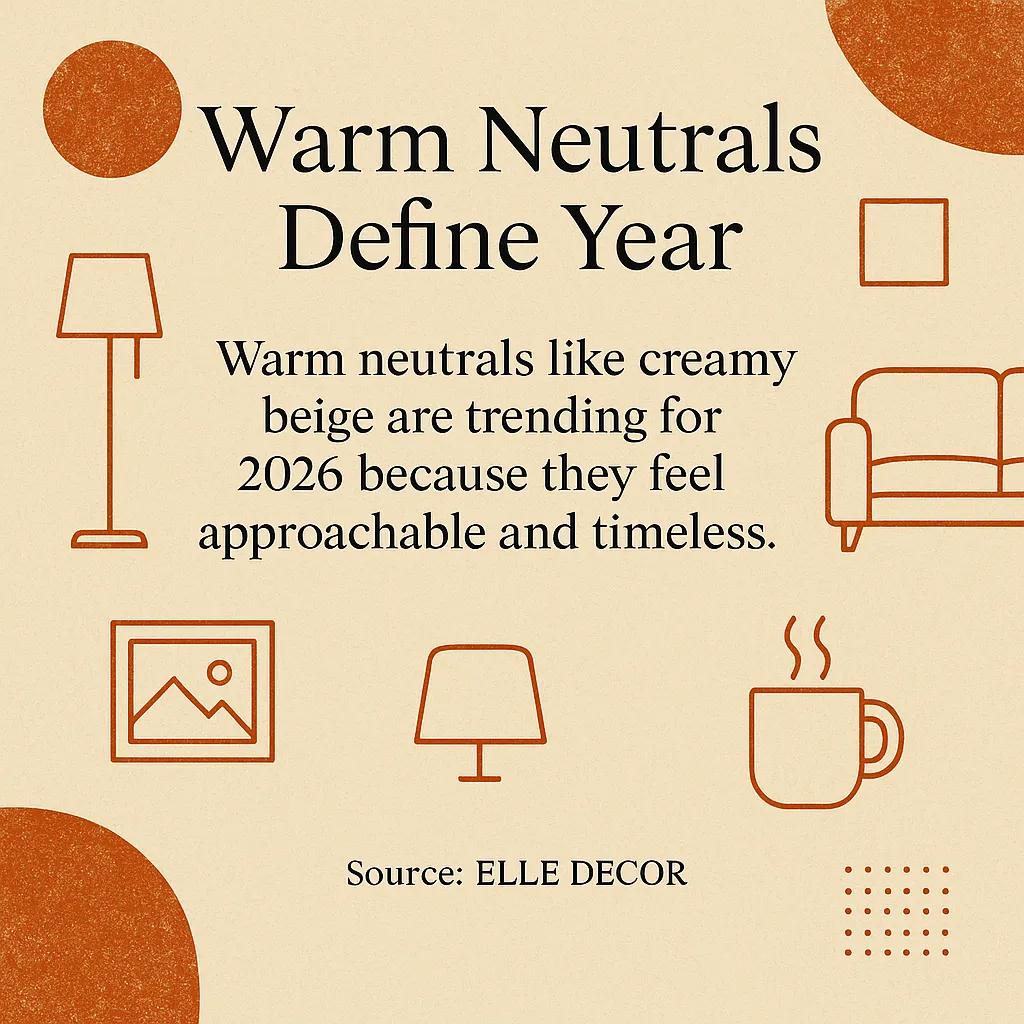
Choose a primary color that reflects your market position. Luxury agents might use deep navy or charcoal. Family-focused realtors could choose warm blues or soft greens. Warm neutrals like creamy beige are trending for 2026 because they feel approachable and timeless.
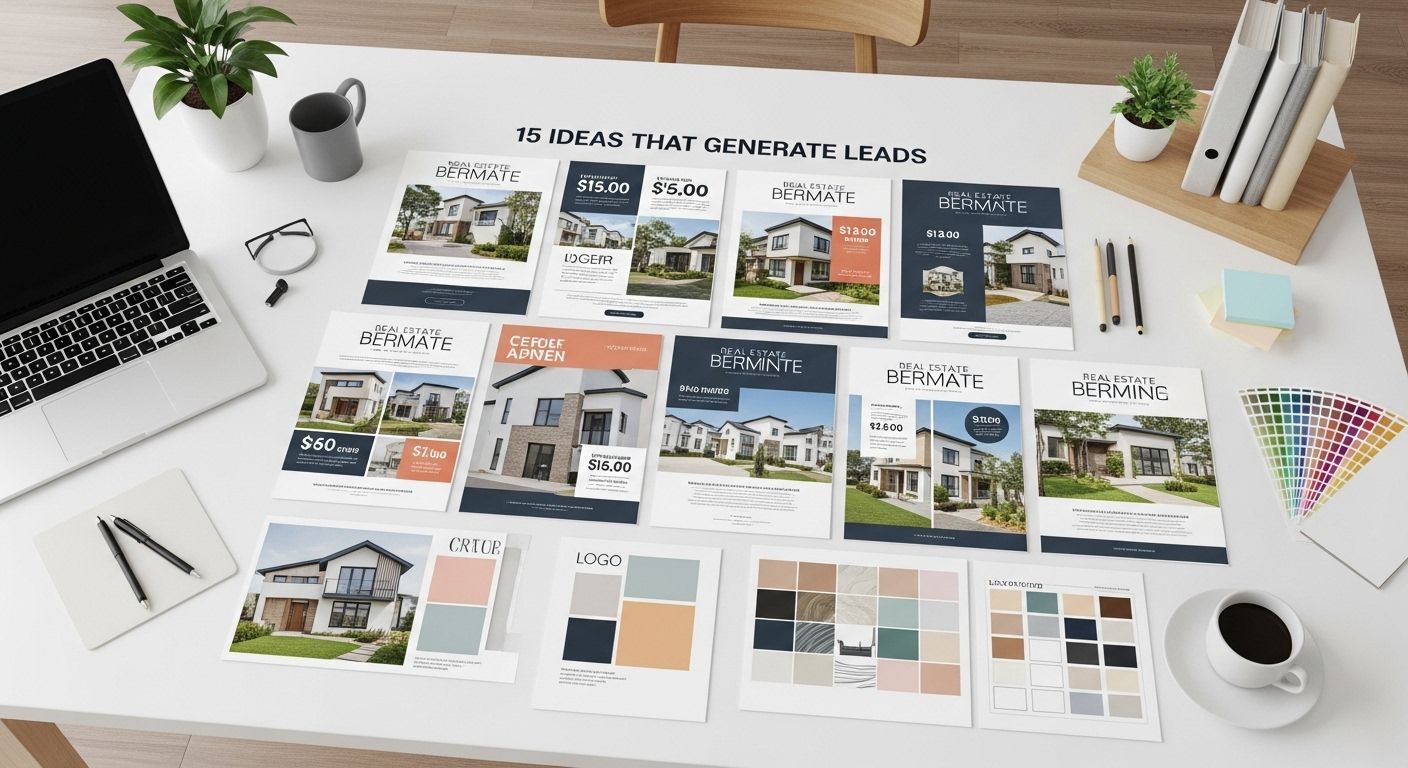
Trending palette: warm neutrals such as creamy beige deliver timeless, approachable appeal in 2026.
Testing Your Minimalist Design
Print your logo at business card size. Can you still read the text clearly? Shrink it to social media avatar dimensions. Does it maintain its impact? View it in black and white. Does the design still work without color?
These tests reveal whether your minimalist approach is effective or just sparse.
Purpose-Driven Brand Storytelling
Your logo needs to hint at your mission. This doesn't mean adding text that says "We care about families." It means choosing design elements that naturally communicate your values.
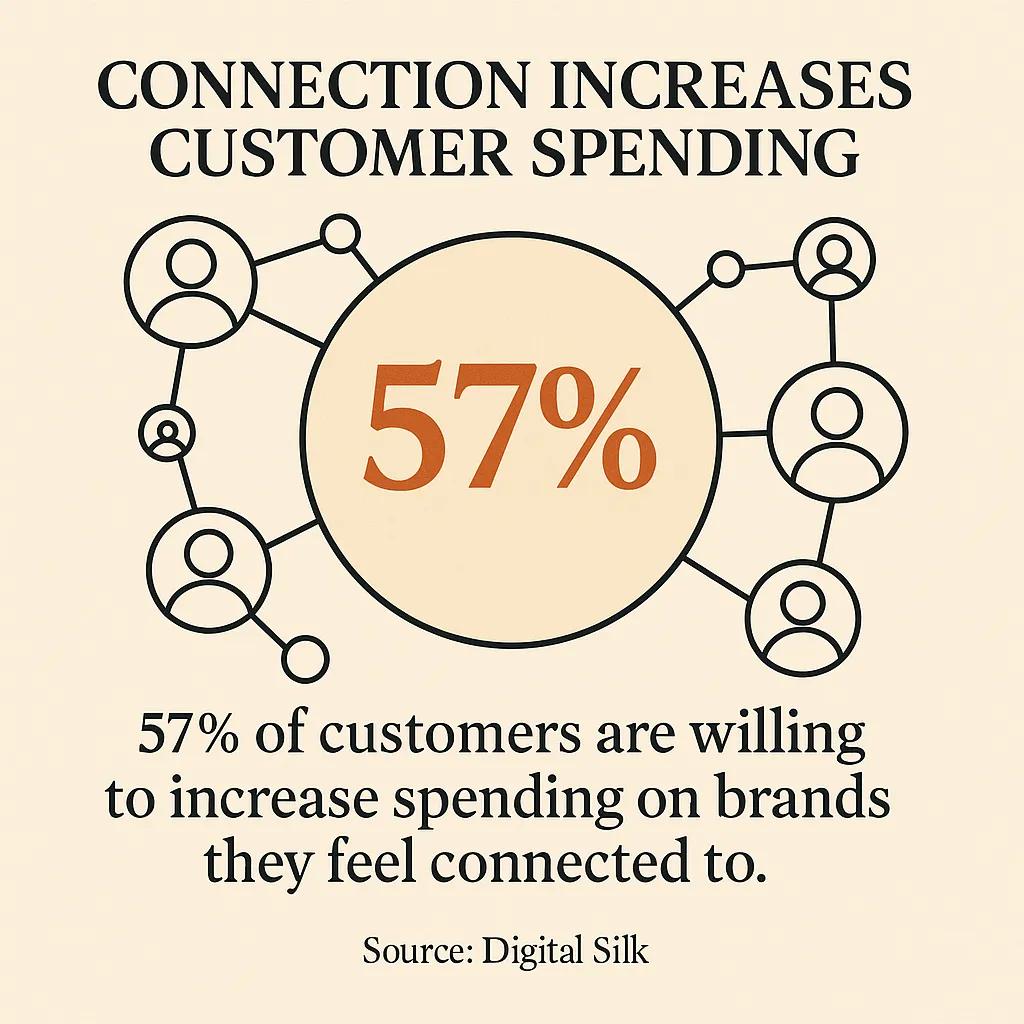
Real estate is personal. People are making huge life decisions. 57% of customers are willing to increase spending on brands they feel connected to. Your logo is often their first connection point.
Connection drives revenue: 57% of customers spend more with brands they feel connected to.
Sustainability Focus
Green building practices are mainstream now. If sustainability is part of your brand, your logo can reflect this through earthy color palettes, organic shapes, or nature-inspired elements.
But be authentic. Don't use green just because it suggests environmental responsibility. Use it because it genuinely represents your approach to real estate.
Community Connection
Local market specialists can incorporate subtle regional elements. This might be a color inspired by local architecture, a shape that echoes geographic features, or typography that reflects the area's character.
The goal isn't obvious symbolism. It's creating a feeling of belonging and local expertise.
Sustainability
- Visual Elements: Organic shapes, natural textures
- Color Suggestions: Forest green, earth brown, sky blue
Luxury Service
- Visual Elements: Clean lines, premium typography
- Color Suggestions: Deep navy, charcoal, gold accents
Family Focus
- Visual Elements: Rounded corners, friendly fonts
- Color Suggestions: Warm blue, soft green, cream
Tech Forward
- Visual Elements: Modern geometry, sans-serif
- Color Suggestions: Electric blue, slate gray, white
Heritage and Authenticity Elements
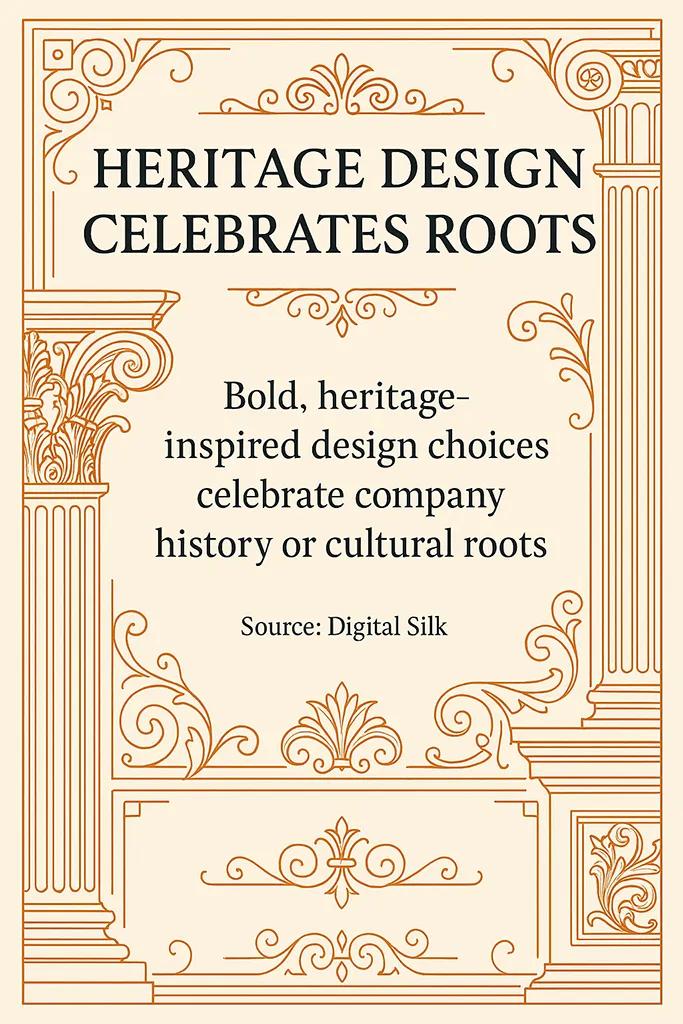
There's a counter-trend happening alongside minimalism. Some real estate brands are embracing their history and local roots through bold, heritage-inspired design choices that celebrate company history or cultural roots.
Heritage-inspired elements honor company roots while adding authenticity to modern brands.
This works particularly well for established agencies or agents specializing in historic properties. The key is balance. You want to reference tradition without looking outdated.
Typography That Tells Stories
Classic serif fonts are making a comeback, but they're being used selectively. You might pair a traditional serif for your company name with a modern sans-serif for contact information.
The contrast creates visual interest while communicating both stability and forward thinking.
Architectural Inspiration
Instead of generic house icons, consider architectural elements specific to your market. Art deco lines for urban markets. Craftsman-inspired details for suburban areas. Modern geometric patterns for contemporary home specialists.
These references should be subtle enough that they work regardless of current market trends.
Bold Colors and Digital Optimization
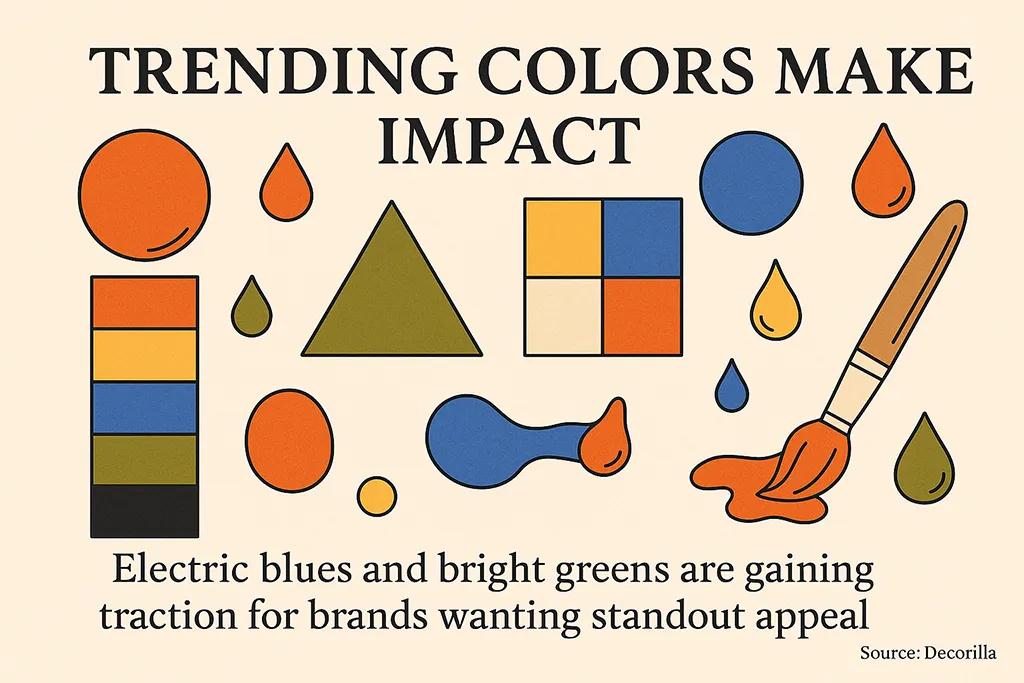
While minimalism dominates, there's room for strategic use of vibrant colors. Electric blues and bright greens are gaining traction for brands that want to stand out in crowded markets.
Standout digital palettes: electric blues and bright greens are on the rise in 2026.
The key is using bold colors purposefully, not just for attention. Every color choice should reinforce your brand message.
Digital-First Design Thinking
Your logo will appear on screens more often than in print. This changes everything about color selection and detail level.
Colors that look great in print might shift on different devices. RGB colors for web use differently than CMYK for printing. Design for digital first, then adapt for print materials.
- Test your logo on various screen types and sizes
- Ensure readability in both light and dark website themes
- Create versions specifically for social media platforms
- Consider how the logo appears in email signatures
- Plan for animated or interactive versions if needed
Platform-Specific Considerations
Instagram favors square formats. LinkedIn works best with horizontal layouts. Email marketing platforms like Mailchimp have specific dimension requirements for header images.
Design your logo system to work across all these contexts without losing brand recognition.
Implementation Strategy for Real Estate Professionals
Understanding trends is one thing. Actually updating your brand is another. Most real estate professionals need practical steps that fit within budget constraints.
Budget-Conscious Brand Updates
You don't need to start from scratch. Often, refinements to your existing logo can align with 2026 trends while maintaining brand recognition.
Consider simplifying your current design by removing unnecessary elements. Update your color palette to include trending colors as accent shades. Refresh your typography with more modern fonts.
Minimal ($0-500)
- Recommended Actions: Color updates, font changes, simplification
- Expected Timeline: 1-2 weeks
Moderate ($500-2000)
- Recommended Actions: Logo redesign, brand guide creation
- Expected Timeline: 3-4 weeks
Full Rebrand ($2000+)
- Recommended Actions: Complete identity system, website integration
- Expected Timeline: 6-8 weeks
Working with Design Professionals
Even with limited budgets, professional input makes a difference. At Dignuz Design, we see the impact when real estate professionals invest in proper brand foundation.
A good designer will create a logo system, not just a single image. This includes variations for different uses, color guidelines, and typography specifications.
Look for designers who understand both current trends and timeless principles. Your logo should feel current without being so trendy that it looks dated in two years.
Timeline and Launch Strategy
Brand updates work best when rolled out systematically. Start with digital assets since they're easier to update. Then move to printed materials as they need reprinting.
Finalize your new logo system and brand guidelines
Update your website and social media profiles
Refresh email signatures and digital marketing materials
Order new business cards and yard sign templates
Plan for vehicle wrap updates and office signage
This approach spreads costs over time while ensuring consistency across all touchpoints.
Logo design trends come and go, but smart branding principles stay constant. Focus on clarity, authenticity, and connection with your audience. The 2026 trends we've discussed work because they serve these fundamental goals.
Whether you're updating an existing logo or starting fresh, remember that your brand is more than visual elements. It's the entire experience you create for clients. Your logo just helps people recognize and remember that experience.
Ready to explore how these trends could work for your real estate brand? At Dignuz Design, we specialize in creating digital-ready brand systems that grow with your business. Check out our guide on what makes real estate agents stand out for more branding insights that complement great logo design.